-
 DIY: Video master classes
-
 Aromatherapy
-
 Felting master classes
-
 Eating at home
-
 DIY cosmetics for children
-
 Cooking recipes
-
 Detergents, cleaning products with your own hands
-
 Soap making as a business
-
 Natural cosmetics. Raw materials for cosmetics and soap.
-
 Natural oils in cosmetics
-
 News
-
 Recipes for balms and conditioners
-
 Bath Bomb Recipes
-
 Cream recipes. Cream making.
-
 Lotion recipes. Gel recipes.
-
 Mask recipes
-
 Soap recipes. Base soap. Soap from scratch.
-
 Recipes for all occasions
-
 Natural shampoo recipes
-
 Healthy Nutrition Recipes
-
 Scrub recipes. Massage tiles. Ubtan
-
 DIY candles
-
 Reference materials, questions, tips
-
 Startup - soap production
-
 Hair care. Tips, recipes
-
 Facial skin care. Cleansers.
-
 Body care. Tips, recipes
-
 Photo Reviews
-
 Chocolate Handmade


CO2 Extracts: The Most Effective Forms and How They Differ from Regular Extracts
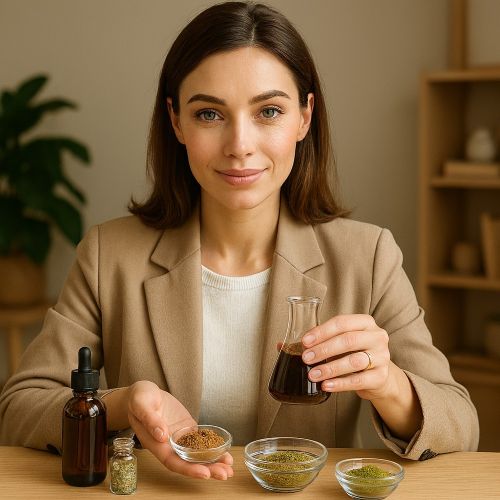 CO2 extracts represent the pinnacle of botanical skincare actives. Utilizing supercritical or subcritical carbon dioxide extraction ensures the isolation of the most complete and potent profile of lipophilic (oil-soluble) plant compounds far surpassing the capabilities of traditional solvent-based extractions. These concentrated extracts are prized for their exceptional antioxidant anti-inflammatory and regenerative properties.
This comprehensive guide delves into the advanced science of CO2 extraction explains the crucial differences between CO2 extracts and standard botanical oils or tinctures and provides three sophisticated DIY cosmetic recipes. Learn how to harness the full, concentrated power of these botanical superstars for your skincare formulations.
The Science of CO2 Extraction and Superior Potency
Traditional extraction methods (maceration percolation using solvents like alcohol or carrier oils) rely on heat or harsh chemicals which can degrade volatile or sensitive plant compounds. CO2 extraction uses carbon dioxide under specific pressure and temperature conditions to gently pull out the active components.
The Key Difference High Purity and Concentration
-
1 No Residual Solvents: Standard extractions often leave behind trace amounts of solvents (alcohol hexane etc.). CO2 extraction leaves zero chemical residue as the CO2 reverts to a gaseous state and evaporates completely leaving only pure plant compounds.
-
2 Full Spectrum Profile: CO2 extracts typically contain a broader range of active compounds than essential oils or conventional extracts including heavier compounds like waxes resins and specific lipids that contribute to the extract’s therapeutic effect and stability.
-
3 Potency: The concentration of key phytochemicals (e.g. anti-inflammatory triterpenes anti-oxidant tocopherols) is exponentially higher in CO2 extracts often requiring a usage rate 10 to 50 times lower than that of traditional carrier oils or infused extracts.
The Effective Forms Subcritical vs Supercritical
-
1 Subcritical CO2 Extracts (Selective): Extracted at lower pressures and temperatures. These tend to be more selective resulting in extracts that are thinner and lighter often containing the most volatile components and highly beneficial essential oil fractions.
-
2 Supercritical CO2 Extracts (Total or Complete): Extracted at higher pressures and temperatures. These extracts are often thicker more viscous and contain the full lipophilic spectrum of the plant including waxes resins and heavy fixed oils. They offer a complete or total profile of the plant’s fat-soluble goodness.
Recipe 1 The Anti-Inflammatory CO2 Serum (Oily Skin Focus)
This anhydrous serum uses a light base and potent CO2 extracts for calming and barrier repair without heaviness.
Ingredients Needed
-
1 Base Oil Squalane or Hemp Seed Oil 45 ml
-
2 CO2 Extract Calendula Supercritical 05 ml (Potent anti-inflammatory)
-
3 CO2 Extract Chamomile Subcritical 05 ml (Calming and soothing)
-
4 Skin Barrier Lipid Ceramide 3 liquid 2 ml
-
5 Antioxidant Vitamin E Tocopherol 1 ml
Preparation Nuances
-
Solubility: All CO2 extracts and the ceramide solution are oil-soluble meaning this formula is anhydrous and extremely stable.
-
Accuracy: Because CO2 extracts are highly concentrated use precise measurements preferably syringes for the small amounts.
Step-by-Step Instructions
-
Step one In a sterilized glass beaker combine the Base Oil Squalane (45 ml) and the Ceramide 3 liquid (2 ml). Stir gently.
-
Step two Add the Vitamin E (1 ml) to protect the formula from oxidation.
-
Step three Introduce the CO2 Extract Calendula (05 ml) and the CO2 Extract Chamomile (05 ml).
-
Step four Stir the mixture thoroughly for two minutes ensuring the viscous extracts are fully dissolved and homogenized in the base oil.
-
Step five Transfer the finished serum into a dark glass dropper bottle.
Recipe 2 The Regenerative Anti-Aging Balm (Supercritical Focus)
This richer formula utilizes the complete profile of supercritical extracts combined with nourishing butters for intensive overnight renewal.
Ingredients Needed
-
1 Base Butter Shea Butter or Mango Butter 40 grams
-
2 Base Oil Rosehip Seed Oil 10 ml
-
3 CO2 Extract Sea Buckthorn Supercritical 1 ml (Rich in carotenoids and fatty acids)
-
4 CO2 Extract Rosemary Supercritical 05 ml (Antioxidant and preservative enhancer)
-
5 Structural Peptide Syn-Coll (Palmitoyl Tripeptide-5) oil soluble 2 ml
Preparation Nuances
-
Melting: Shea butter must be melted gently. Keep the temperature below 50 degrees Celsius to prevent crystallization when cooling and to protect the sensitive Rosehip oil.
-
Active Addition: The CO2 extracts and peptide are added in the cooling phase after the butter is melted but before it solidifies.
Step-to-Step Instructions
-
Step one Gently melt the Shea Butter (40 grams) in a double boiler until barely liquid. Remove from heat.
-
Step two Add the Rosehip Seed Oil (10 ml) and mix until the mixture cools and thickens slightly.
-
Step three Introduce the Structural Peptide Syn-Coll (2 ml) and stir well until fully blended.
-
Step four Add the highly pigmented CO2 Extract Sea Buckthorn (1 ml) and the CO2 Extract Rosemary (05 ml). Stir vigorously to ensure even dispersion of the color and the actives.
-
Step five Pour the balm into a clean opaque jar and let it set completely at room temperature.
Recipe 3 The Multi-Action Anti-Redness Cream (Emulsion Base)
This emulsion uses a lower concentration of extracts in a cream base to target redness and maintain hydration.
Ingredients Needed
-
1 CO2 Extract German Chamomile Supercritical 05 ml (Rich in soothing Bisabolol)
-
2 Emulsifying Wax NF or Ritamulse SCG 5 grams (Oil Phase)
-
3 Carrier Oil Jojoba Oil 10 ml (Oil Phase)
-
4 Water Phase Distilled Water or Chamomile Hydrosol 75 ml
-
5 Humectant Vegetable Glycerin 5 ml
-
6 Preservative 05 grams (Cooling Phase)
Step-to-Step Instructions
-
Step one Combine Emulsifying Wax (5 grams) and Carrier Oil Jojoba (10 ml) in a double boiler until melted (Oil Phase).
-
Step two Heat the Water Phase Distilled Water (75 ml) and Glycerin (5 ml) separately to the same temperature (approximately 70 degrees Celsius).
-
Step three Pour the Water Phase into the Oil Phase stirring continuously until the cream emulsion forms.
-
Step four Remove from heat and allow the cream to cool stirring occasionally to below 40 degrees Celsius.
-
Step five Add the CO2 Extract German Chamomile (05 ml) and stir until fully integrated. Note: This extract can add a slight blue/green tint.
-
Step six Add the Preservative (05 grams). Stir well.
-
Step seven Store the cream in an airless pump bottle to maintain efficacy.
Detailed Recommendations for Use and Storage
Usage Guide
-
Dosage: Always respect the low dosage recommendations for CO2 extracts (typically 01% to 1%). Their potency means that "more" is not better and can lead to skin sensitivity or excessive oiliness.
-
Mixing: Because they are highly concentrated and often viscous CO2 extracts should be mixed thoroughly with a small amount of carrier oil before adding to the main batch to ensure even dispersion.
-
Application: Use oil-based serums (Recipe 1) and balms (Recipe 2) on damp skin or after a water-based serum to lock in hydration.
Storage and Shelf Life
-
Container: CO2 extracts are highly sensitive to light and oxidation. Store finished products and the raw extracts themselves in dark airtight glass containers.
-
Temperature: Store raw CO2 extracts in a refrigerator (4-8 degrees Celsius) to maintain the integrity of their fragile components. Finished anhydrous products (Recipes 1 and 2) are highly stable but should be kept in a cool dark place below 25 degrees Celsius.
-
Shelf Life: Raw CO2 extracts often have a shelf life of 1-3 years if stored properly (refrigerated and sealed). Finished DIY products should be used within 3-6 months for anhydrous formulas and 2-3 months for emulsions.
-
Preservation: Always use a broad-spectrum preservative in any formula containing water (Recipe 3) to prevent microbial growth.
Advantages Over Industrial Analogs
Using CO2 extracts in your DIY formulations offers distinct advantages over commercially available products:
-
Unrivaled Potency: Your product will contain the full therapeutic concentration of the plant's active compounds which are often diluted or minimally present in commercial products where cost is a major constraint.
-
Purity and Cleanliness: You guarantee a product that is free of residual toxic solvents unlike many traditional extracts or botanical oils. This is essential for sensitive skin.
-
Targeted Actives: You can precisely choose between subcritical (selective) or supercritical (total) forms of the extract tailoring the chemical profile to your exact needs (e.g. using the supercritical form of Calendula for its full anti-inflammatory and lipid profile).
-
Formulation Transparency: You know exactly what is in your product avoiding hidden fillers preservatives or synthetic fragrances often used to enhance commercial appeal but which degrade the active quality.
By formulating with CO2 extracts you are creating sophisticated therapeutic skincare that utilizes the cleanest and most potent botanical science available.


Cosmetic ingredients and professional formulation blog
This section features expert materials on modern cosmetic actives. We cover peptides, polynucleotides PDRN, different forms of hyaluronic acid, retinoids, ceramides and other key components.
Special focus is given to active stability, ingredient compatibility and correct incorporation into formulas. You will find practical guides on working with anti-age actives, moisturizing complexes and barrier repair ingredients.
We examine how to properly combine myorelaxants with peptides, common mistakes when using unstable vitamin C forms and ways to improve the performance of moisturizing actives.
Separate materials are dedicated to base oils, extracts, emulsifiers and supporting ingredients. This helps create stable and effective formulas for both professional and home cosmetics.
The blog regularly publishes reviews of trending actives, comparisons of similar ingredients and step-by-step formulation recommendations. The content is aimed at formulators, technologists and anyone seriously involved in creating cosmetic products.
Why this blog is useful
Here you will find practical data on eye area care actives, lifting systems and ingredients that improve skin firmness and tone. We rely on real formulation experience and address the actual challenges that arise during product development.
You can also explore materials on skin protection and repair, depigmentation and anti-inflammatory actives. This approach supports a more systematic selection of ingredients.
FAQ
What topics are covered most often
The blog focuses on peptides, PDRN, hyaluronic acid of different molecular weights, retinoids, ceramides and their compatibility rules.
Are there practical recommendations on how to incorporate actives
Yes, most articles include practical notes on pH stability, incorporation temperature and common formulation mistakes.
Is the content only for professionals
The materials are useful both for formulators and technologists and for those who create cosmetics for personal use and want to understand how modern ingredients work.
Where can I go directly to the ingredients
All key actives are collected in the Actives section, while base components are available in base oils and related categories.



