-
 DIY: Video master classes
-
 Aromatherapy
-
 Felting master classes
-
 Eating at home
-
 DIY cosmetics for children
-
 Cooking recipes
-
 Detergents, cleaning products with your own hands
-
 Soap making as a business
-
 Natural cosmetics. Raw materials for cosmetics and soap.
-
 Natural oils in cosmetics
-
 News
-
 Recipes for balms and conditioners
-
 Bath Bomb Recipes
-
 Cream recipes. Cream making.
-
 Lotion recipes. Gel recipes.
-
 Mask recipes
-
 Soap recipes. Base soap. Soap from scratch.
-
 Recipes for all occasions
-
 Natural shampoo recipes
-
 Healthy Nutrition Recipes
-
 Scrub recipes. Massage tiles. Ubtan
-
 DIY candles
-
 Reference materials, questions, tips
-
 Startup - soap production
-
 Hair care. Tips, recipes
-
 Facial skin care. Cleansers.
-
 Body care. Tips, recipes
-
 Photo Reviews
-
 Chocolate Handmade


Homemade Anti-Dandruff Shampoo: Recipe and Benefits
 Dandruff can be a persistent and frustrating issue. Flaky scalp, itching, and an overall unkempt appearance can leave you feeling self-conscious. While commercial anti-dandruff shampoos are readily available, some people prefer a more natural approach. This article explores the benefits of creating your own homemade anti-dandruff shampoo and provides a simple recipe to get you started.
Understanding Dandruff:
Dandruff is a common scalp condition characterized by the shedding of dead skin cells. While the exact cause remains unclear, factors like dry skin, fungal overgrowth (malassezia), and sensitivity to hair products can all contribute.
Benefits of Homemade Anti-Dandruff Shampoo:
- Natural Ingredients: By making your own shampoo, you have complete control over the ingredients. You can avoid harsh chemicals or sulfates that may irritate your scalp.
- Customization: Tailor the recipe to your specific needs. Choose ingredients that address your scalp type (dry, oily, sensitive) or target the root cause of your dandruff.
- Cost-Effective: Homemade shampoos are generally cheaper than commercially produced options, especially if you already have some of the ingredients on hand.
- Freshness: You can make small batches to ensure you're using the freshest ingredients for optimal results.
A Simple Homemade Anti-Dandruff Shampoo Recipe:
This recipe utilizes ingredients with well-documented benefits for dandruff control:
- Apple Cider Vinegar (ACV): ACV has natural antifungal properties and can help balance scalp pH, potentially reducing dandruff.
- Tea Tree Oil: Known for its antiseptic and anti-inflammatory properties, tea tree oil can soothe an itchy scalp and combat dandruff-causing microbes.
- Aloe Vera Gel: A natural moisturizer, aloe vera gel soothes irritation and dryness often associated with dandruff.
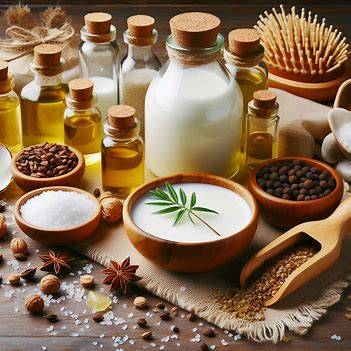 Ingredients:
- 1/2 cup liquid castile soap (gentle, sulfate-free cleanser)
- 1/4 cup water
- 1 tablespoon apple cider vinegar (ACV)
- 10 drops tea tree oil
- 2 tablespoons aloe vera gel (optional, for added moisture)
Instructions:
- Combine all ingredients in a clean, empty bottle.
- Shake well to mix thoroughly.
- Wet your hair thoroughly in the shower.
- Massage a small amount of the shampoo into your scalp, focusing on areas prone to dandruff.
- Let it sit for a few minutes to allow the ingredients to work their magic.
- Rinse thoroughly and follow with a gentle conditioner if needed.
Important Considerations:
- Patch Test: Before applying the shampoo to your entire scalp, conduct a patch test on a small area of your inner arm to check for any allergic reactions.
- Scalp Sensitivity: Tea tree oil can be potent. If you have a sensitive scalp, dilute it further by adding a carrier oil like jojoba or almond oil (5-10 drops) to the recipe.
- Frequency: Start by using this shampoo 2-3 times per week. Adjust the frequency based on your needs and how your scalp responds.
- Patience: Homemade remedies can take time to show significant results. Be consistent with use for at least a few weeks to assess its effectiveness.
Additional Tips:
- Scalp Massage: Regularly massaging your scalp can improve circulation and may help loosen and remove flakes.
- Diet: Consider dietary factors that may contribute to dandruff. Maintaining a healthy diet rich in vitamins and minerals can promote scalp health.
- Stress Management: Stress can exacerbate dandruff. Explore stress-reduction techniques like yoga or meditation.
Remember: If your dandruff is severe or persists despite using homemade remedies, consult a dermatologist. They can diagnose the underlying cause and recommend the most appropriate treatment course.
By exploring homemade options and implementing healthy scalp practices, you can take control of your dandruff and achieve a healthier, happier scalp.
"


Cosmetic ingredients and professional formulation blog
This section features expert materials on modern cosmetic actives. We cover peptides, polynucleotides PDRN, different forms of hyaluronic acid, retinoids, ceramides and other key components.
Special focus is given to active stability, ingredient compatibility and correct incorporation into formulas. You will find practical guides on working with anti-age actives, moisturizing complexes and barrier repair ingredients.
We examine how to properly combine myorelaxants with peptides, common mistakes when using unstable vitamin C forms and ways to improve the performance of moisturizing actives.
Separate materials are dedicated to base oils, extracts, emulsifiers and supporting ingredients. This helps create stable and effective formulas for both professional and home cosmetics.
The blog regularly publishes reviews of trending actives, comparisons of similar ingredients and step-by-step formulation recommendations. The content is aimed at formulators, technologists and anyone seriously involved in creating cosmetic products.
Why this blog is useful
Here you will find practical data on eye area care actives, lifting systems and ingredients that improve skin firmness and tone. We rely on real formulation experience and address the actual challenges that arise during product development.
You can also explore materials on skin protection and repair, depigmentation and anti-inflammatory actives. This approach supports a more systematic selection of ingredients.
FAQ
What topics are covered most often
The blog focuses on peptides, PDRN, hyaluronic acid of different molecular weights, retinoids, ceramides and their compatibility rules.
Are there practical recommendations on how to incorporate actives
Yes, most articles include practical notes on pH stability, incorporation temperature and common formulation mistakes.
Is the content only for professionals
The materials are useful both for formulators and technologists and for those who create cosmetics for personal use and want to understand how modern ingredients work.
Where can I go directly to the ingredients
All key actives are collected in the Actives section, while base components are available in base oils and related categories.



