-
 DIY: Video master classes
-
 Aromatherapy
-
 Felting master classes
-
 Eating at home
-
 DIY cosmetics for children
-
 Cooking recipes
-
 Detergents, cleaning products with your own hands
-
 Soap making as a business
-
 Natural cosmetics. Raw materials for cosmetics and soap.
-
 Natural oils in cosmetics
-
 News
-
 Recipes for balms and conditioners
-
 Bath Bomb Recipes
-
 Cream recipes. Cream making.
-
 Lotion recipes. Gel recipes.
-
 Mask recipes
-
 Soap recipes. Base soap. Soap from scratch.
-
 Recipes for all occasions
-
 Natural shampoo recipes
-
 Healthy Nutrition Recipes
-
 Scrub recipes. Massage tiles. Ubtan
-
 DIY candles
-
 Reference materials, questions, tips
-
 Startup - soap production
-
 Hair care. Tips, recipes
-
 Facial skin care. Cleansers.
-
 Body care. Tips, recipes
-
 Photo Reviews
-
 Chocolate Handmade


Homemade shampoos and gels with mild surfactants
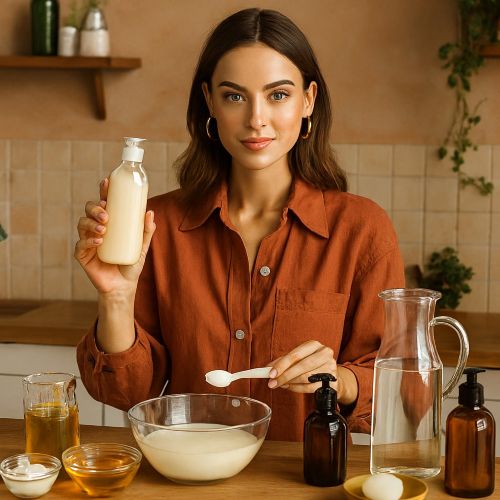 The quest for healthier hair and skin has led many to question the ingredients in commercial products. A common culprit for dryness and irritation is the use of harsh sulfates like Sodium Lauryl Sulfate (SLS) and Sodium Laureth Sulfate (SLES). These powerful detergents can strip natural oils, leading to scalp issues and dull hair. The solution? Creating your own homemade shampoos and gels using mild surfactants. This article provides a comprehensive guide to understanding mild surfactants, their benefits, and three detailed recipes for a DIY hair and body care line. You'll learn the nuances of preparation, the useful properties of key ingredients, and the significant advantages these products have over their industrial counterparts.
Understanding Surfactants: Mild vs. Harsh
Surfactants, or surface-active agents, are the ingredients responsible for cleansing. They create the foam and lift dirt and oil from your hair and skin.
-
Harsh Surfactants: Sulfates like SLS and SLES are cheap and effective at creating a lot of foam, but they are also known for being aggressive. They can remove too much of the skin's natural oils, leading to irritation, dryness, and in some cases, allergic reactions.
-
Mild Surfactants: These are derived from natural sources, often coconut or corn sugar. They cleanse effectively without stripping the skin's moisture barrier. Popular mild surfactants include Coco-Glucoside, Decyl Glucoside, and Cocamidopropyl Betaine. They are biodegradable, gentler, and an ideal choice for sensitive skin and hair.
Three Recipes for a Natural Care Line
These recipes are simple to follow and yield products that are a pleasure to use, with a rich lather and a pleasant feel.
Recipe 1: Gentle Hydrating Shampoo
This shampoo is designed to cleanse without stripping, leaving hair soft and hydrated.
-
Prepare the water phase. In a sterilized beaker, weigh 60g of distilled water.
-
Add the primary surfactant. Add 20g of Decyl Glucoside. This is a very mild, non-ionic surfactant. Stir slowly to avoid creating too many bubbles.
-
Add the co-surfactant. Add 10g of Cocamidopropyl Betaine. This a gentle cleansing agent that also helps to create a rich lather.
-
Add a natural thickener. Add 5g of Xanthan Gum. This will thicken the shampoo to a pleasant consistency. Stir well until the powder is fully dissolved.
-
Add humectant and preservative. Add 5g of vegetable glycerin for moisture and 1g of a broad-spectrum preservative like Geogard 221.
-
Add scent (optional). Add a few drops of an essential oil blend. A few drops of rosemary and peppermint essential oils can stimulate the scalp.
-
Package and store. Pour the finished shampoo into a clean bottle.
Recommendations for Use: Use a small amount, lathering well into wet hair and rinsing thoroughly.
Storage: Store in a cool, dark place. The shelf life is up to 3 months.
Recipe 2: Refreshing Foaming Shower Gel
This shower gel is perfect for a daily cleanse, leaving the skin feeling soft and refreshed.
-
Prepare the water phase. In a sterilized beaker, weigh 70g of distilled water.
-
Add the primary surfactant. Add 20g of Coco-Glucoside. This is an excellent, mild surfactant for body cleansers. Stir slowly.
-
Add the co-surfactant. Add 5g of Cocamidopropyl Betaine for an improved lather.
-
Add a skin-soothing extract. Add 5g of a liquid botanical extract, such as chamomile or calendula, known for their soothing properties.
-
Add humectant and preservative. Add 5g of vegetable glycerin and 1g of a broad-spectrum preservative.
-
Add scent (optional). Add a few drops of grapefruit or lemongrass essential oils for a refreshing, citrusy scent.
-
Package and store. Pour the finished gel into a clean bottle with a pump.
Recommendations for Use: Lather onto wet skin and rinse thoroughly.
Storage: Store in a cool, dark place. The shelf life is up to 3 months.
Recipe 3: All-in-One Gentle Cleanser
This versatile recipe can be used as both a shampoo and a shower gel, making it ideal for travel or for those who prefer a minimalist routine.
-
Prepare the water phase. In a sterilized beaker, weigh 65g of distilled water.
-
Add the surfactant blend. Add 15g of Decyl Glucoside and 15g of Coco-Glucoside. This blend provides both excellent cleansing power and a rich foam.
-
Add a thickener. Add 2g of Xanthan Gum and stir until dissolved.
-
Add humectant and preservative. Add 5g of vegetable glycerin for hydration and 1g of a broad-spectrum preservative.
-
Add scent (optional). Add a few drops of a calming essential oil blend like lavender and ylang-ylang.
-
Package and store. Pour the cleanser into a bottle.
Recommendations for Use: Apply to wet hair and skin, lather, and rinse.
Storage: Store in a cool, dark place. The shelf life is up to 3 months.
Advantages Over Industrial Alternatives
Choosing to create your own shampoos and gels offers significant benefits that commercial products often lack.
-
Gentle on Skin and Scalp: By avoiding sulfates, your homemade products will not strip natural oils. This helps to prevent dryness, itchiness, and irritation, which is a major advantage for people with sensitive skin.
-
Customization: You have complete control over every ingredient. You can add specific extracts, essential oils, or humectants to address your unique hair and skin needs. This level of customization is impossible with store-bought products.
-
Ingredient Transparency: You know exactly what goes into your product. There are no hidden fillers, artificial fragrances, or dyes, which are common in mass-produced items.
-
Cost-Effectiveness: While initial ingredient costs might seem high, the cost per bottle of your finished product is significantly lower than that of high-quality, sulfate-free commercial options.
By making your own cleansing products, you're not just creating a cosmetic; you're taking control of your personal care routine, opting for a safer, gentler, and more effective approach.


Cosmetic ingredients and professional formulation blog
This section features expert materials on modern cosmetic actives. We cover peptides, polynucleotides PDRN, different forms of hyaluronic acid, retinoids, ceramides and other key components.
Special focus is given to active stability, ingredient compatibility and correct incorporation into formulas. You will find practical guides on working with anti-age actives, moisturizing complexes and barrier repair ingredients.
We examine how to properly combine myorelaxants with peptides, common mistakes when using unstable vitamin C forms and ways to improve the performance of moisturizing actives.
Separate materials are dedicated to base oils, extracts, emulsifiers and supporting ingredients. This helps create stable and effective formulas for both professional and home cosmetics.
The blog regularly publishes reviews of trending actives, comparisons of similar ingredients and step-by-step formulation recommendations. The content is aimed at formulators, technologists and anyone seriously involved in creating cosmetic products.
Why this blog is useful
Here you will find practical data on eye area care actives, lifting systems and ingredients that improve skin firmness and tone. We rely on real formulation experience and address the actual challenges that arise during product development.
You can also explore materials on skin protection and repair, depigmentation and anti-inflammatory actives. This approach supports a more systematic selection of ingredients.
FAQ
What topics are covered most often
The blog focuses on peptides, PDRN, hyaluronic acid of different molecular weights, retinoids, ceramides and their compatibility rules.
Are there practical recommendations on how to incorporate actives
Yes, most articles include practical notes on pH stability, incorporation temperature and common formulation mistakes.
Is the content only for professionals
The materials are useful both for formulators and technologists and for those who create cosmetics for personal use and want to understand how modern ingredients work.
Where can I go directly to the ingredients
All key actives are collected in the Actives section, while base components are available in base oils and related categories.



