-
 DIY: Video master classes
-
 Aromatherapy
-
 Felting master classes
-
 Eating at home
-
 DIY cosmetics for children
-
 Cooking recipes
-
 Detergents, cleaning products with your own hands
-
 Soap making as a business
-
 Natural cosmetics. Raw materials for cosmetics and soap.
-
 Natural oils in cosmetics
-
 News
News
-
 Recipes for balms and conditioners
-
 Bath Bomb Recipes
-
 Cream recipes. Cream making.
-
 Lotion recipes. Gel recipes.
-
 Mask recipes
-
 Soap recipes. Base soap. Soap from scratch.
-
 Recipes for all occasions
-
 Natural shampoo recipes
-
 Healthy Nutrition Recipes
-
 Scrub recipes. Massage tiles. Ubtan
-
 DIY candles
-
 Reference materials, questions, tips
-
 Startup - soap production
-
 Hair care. Tips, recipes
-
 Facial skin care. Cleansers.
-
 Body care. Tips, recipes
-
 Photo Reviews
-
 Chocolate Handmade


Deodorant with zinc ricinoleate and magnesium
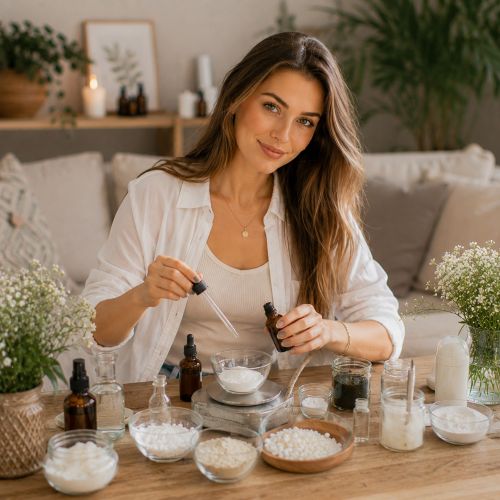 In the modern quest for clean beauty many individuals are moving away from traditional antiperspirants that rely on aluminum salts to block sweat glands. A natural deodorant formulated with zinc ricinoleate and magnesium offers a sophisticated physiological alternative. Zinc ricinoleate acts as a highly effective odor absorber that traps malodorous molecules without interfering with the natural process of perspiration. Magnesium serves to neutralize acidity on the skin surface creating an environment where odor causing bacteria struggle to thrive while simultaneously providing essential mineral support.
This comprehensive guide explores the molecular benefits of these mineral actives and provides professional grade recipes for creating safe high performance deodorants at home.
Beneficial Properties of Zinc Ricinoleate and Magnesium for Personal Hygiene
Zinc ricinoleate is the zinc salt of ricinoleic acid derived from castor oil. Unlike traditional deodorants that attempt to mask smells with heavy fragrances or kill all skin bacteria with harsh antimicrobials zinc ricinoleate works through chemical adsorption. It physically traps and neutralizes the nitrogen and sulfur compounds that characterize the smell of sweat. Because it does not possess bactericidal or fungicidal properties it does not disrupt the natural microbiome of the underarm skin making it an exceptionally gentle choice for long term use.
Magnesium in forms such as magnesium hydroxide or magnesium carbonate provides a dual action benefit. Firstly it raises the pH of the underarm area slightly making it less hospitable to the bacteria that break down sweat into odorous byproducts. Secondly magnesium is known for its skin soothing properties helping to reduce irritation often caused by shaving or friction. For many users magnesium is the perfect alternative to baking soda which can be overly alkaline and cause rashes for those with sensitive skin.
Advantages of Handcrafted Deodorants Over Industrial Analogs
The primary advantage of a handcrafted deodorant with zinc ricinoleate and magnesium is the absence of aluminum chlorohydrate and synthetic parabens. Industrial antiperspirants work by forming temporary plugs within the sweat ducts which can lead to inflammation and clogged pores. By making your own deodorant you allow your body to perform its natural thermoregulation while ensuring that the sweat remains completely odorless.
Handmade formulations also allow you to avoid synthetic musks and phthalates found in commercial fragrances. You have the freedom to use high quality vegetable waxes and butters that nourish the thin skin of the underarm rather than suffocating it with petroleum based mineral oils. Furthermore you can adjust the concentration of active minerals to suit your personal body chemistry ensuring that the product is effective for your specific needs throughout the day.
Technical Nuances of Preparing Deodorants with Mineral Absorbers
Working with zinc ricinoleate requires a specific heating process as it is a waxy solid that melts at approximately seventy degrees. It must be fully integrated into the oil phase of your formulation to ensure even distribution. If the zinc ricinoleate is not melted properly the deodorant will have a gritty texture and its odor absorbing capabilities will be significantly diminished.
Magnesium powders must be ultra fine to ensure a smooth application. When incorporating magnesium hydroxide it is essential to stir the mixture thoroughly as the base cools to prevent the mineral particles from settling at the bottom of the container. Achieving the correct balance between the hardening waxes and the liquid oils is the key to a product that glides easily onto the skin but remains solid in the tube or jar.
Recipe One Creamy Magnesium Deodorant for Sensitive Skin
This soft cream formula is designed for maximum skin comfort and easy absorption.
Composition Forty milliliters coconut oil Twenty grams shea butter Ten grams zinc ricinoleate Fifteen grams magnesium hydroxide powder Ten grams arrowroot powder Five drops tea tree essential oil Eco friendly preservative
Preparation Step one Disinfect all glass beakers and mixing tools with seventy percent alcohol. Step two Place the coconut oil shea butter and zinc ricinoleate in a heat resistant glass beaker. Step three Heat the oil phase in a water bath until the zinc ricinoleate pellets have completely melted and the liquid is clear. Step four Remove from heat and gradually whisk in the magnesium hydroxide and arrowroot powder ensuring there are no lumps. Step five Continue to stir the mixture as it cools to room temperature to maintain a homogeneous consistency. Step six Add the tea tree essential oil and the preservative once the cream has reached a lukewarm state. Step seven Transfer the cream into a shallow glass jar and allow it to set completely for several hours.
Recipe Two Solid Mineral Deodorant Stick
A convenient and firm stick formula that provides a dry feel and powerful odor protection.
Composition Thirty grams beeswax or candelilla wax Thirty milliliters jojoba oil Ten grams zinc ricinoleate Twenty grams magnesium carbonate Ten grams bentonite clay Five drops bergamot essential oil Preservative
Preparation Step one Sterilize the workspace and the deodorant stick tubes. Step two Combine the wax jojoba oil and zinc ricinoleate in a heat resistant container. Step three Melt the ingredients in a water bath until the mixture is entirely liquid. Step four Sift the magnesium carbonate and bentonite clay into the melted oils while stirring vigorously. Step five Use a mini mixer to ensure the minerals are perfectly suspended in the wax matrix. Step six Add the bergamot essential oil and preservative just before the mixture begins to thicken. Step seven Pour the liquid quickly into the deodorant tubes and leave them undisturbed until they are fully solidified.
Recipe Three Magnesium and Zinc Odor Neutralizing Spray
A lightweight and refreshing water based spray for those who prefer a non greasy application.
Composition Eighty milliliters magnesium oil or magnesium chloride solution Five grams water soluble zinc ricinoleate Ten milliliters aloe vera concentrate Five milliliters vegetable glycerin Three drops peppermint essential oil Preservative
Preparation Step one Ensure all beakers and spray bottles are sterile. Step two Mix the magnesium oil with the vegetable glycerin in a clean beaker. Step three Add the water soluble zinc ricinoleate and stir until the solution is transparent. Step four Incorporate the aloe vera concentrate which helps to soothe the skin after application. Step five Add the peppermint essential oil for a cooling sensation. Step six Add the preservative system and stir for two minutes to ensure stability. Step seven Pour the solution into a fine mist spray bottle and shake well before each use.
Detailed Recommendations for Application and Effective Use
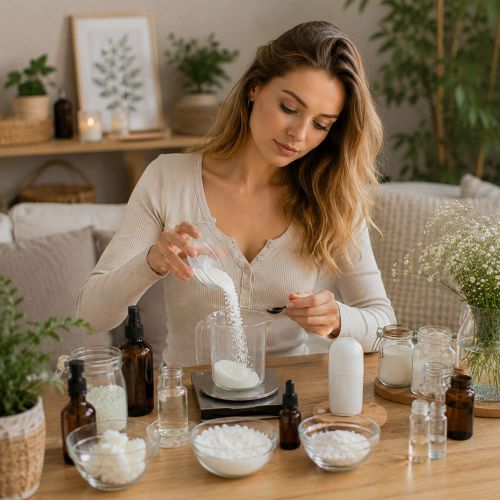
To achieve the best results with a natural mineral deodorant apply the product to clean and dry skin. Unlike aluminum based products which are often applied at night natural deodorants are most effective when used immediately after your morning shower. If you are using the cream or stick formula apply a thin even layer to the entire underarm area. A little goes a long way and excessive application is not necessary for efficacy.
If you are transitioning from a commercial antiperspirant your body may undergo a brief detox period of one to two weeks. During this time you may notice a temporary increase in perspiration as your sweat glands adjust to being unblocked. The zinc ricinoleate will continue to manage the odor during this transition. For maximum freshness on very active days the magnesium spray can be used as a mid day refresher.
Storage Guidelines and Product Stability Maintenance
Deodorants containing natural butters and waxes are sensitive to extreme temperatures. Store your stick or cream deodorant in a cool dry place away from direct sunlight. If the product is exposed to high heat it may melt or the minerals may settle. If this happens simply stir the product and place it in the refrigerator for thirty minutes to reset the structure.
The shelf life of a handcrafted deodorant with a proper preservative is approximately six months. Water based sprays should be monitored closely and used within three to four months to ensure the potency of the magnesium. Always ensure that the lids of your jars and tubes are closed tightly after every use to prevent the essential oils from evaporating and to protect the minerals from moisture in the bathroom air. Following these storage rules ensures that your natural deodorant remains effective and pleasant to use until the final application.


Cosmetic ingredients and professional formulation blog
This section features expert materials on modern cosmetic actives. We cover peptides, polynucleotides PDRN, different forms of hyaluronic acid, retinoids, ceramides and other key components.
Special focus is given to active stability, ingredient compatibility and correct incorporation into formulas. You will find practical guides on working with anti-age actives, moisturizing complexes and barrier repair ingredients.
We examine how to properly combine myorelaxants with peptides, common mistakes when using unstable vitamin C forms and ways to improve the performance of moisturizing actives.
Separate materials are dedicated to base oils, extracts, emulsifiers and supporting ingredients. This helps create stable and effective formulas for both professional and home cosmetics.
The blog regularly publishes reviews of trending actives, comparisons of similar ingredients and step-by-step formulation recommendations. The content is aimed at formulators, technologists and anyone seriously involved in creating cosmetic products.
Why this blog is useful
Here you will find practical data on eye area care actives, lifting systems and ingredients that improve skin firmness and tone. We rely on real formulation experience and address the actual challenges that arise during product development.
You can also explore materials on skin protection and repair, depigmentation and anti-inflammatory actives. This approach supports a more systematic selection of ingredients.
FAQ
What topics are covered most often
The blog focuses on peptides, PDRN, hyaluronic acid of different molecular weights, retinoids, ceramides and their compatibility rules.
Are there practical recommendations on how to incorporate actives
Yes, most articles include practical notes on pH stability, incorporation temperature and common formulation mistakes.
Is the content only for professionals
The materials are useful both for formulators and technologists and for those who create cosmetics for personal use and want to understand how modern ingredients work.
Where can I go directly to the ingredients
All key actives are collected in the Actives section, while base components are available in base oils and related categories.