-
 DIY: Video master classes
-
 Aromatherapy
-
 Felting master classes
-
 Eating at home
-
 DIY cosmetics for children
-
 Cooking recipes
-
 Detergents, cleaning products with your own hands
-
 Soap making as a business
-
 Natural cosmetics. Raw materials for cosmetics and soap.
-
 Natural oils in cosmetics
-
 News
-
 Recipes for balms and conditioners
-
 Bath Bomb Recipes
-
 Cream recipes. Cream making.
-
 Lotion recipes. Gel recipes.
-
 Mask recipes
-
 Soap recipes. Base soap. Soap from scratch.
-
 Recipes for all occasions
-
 Natural shampoo recipes
-
 Healthy Nutrition Recipes
-
 Scrub recipes. Massage tiles. Ubtan
-
 DIY candles
-
 Reference materials, questions, tips
-
 Startup - soap production
-
 Hair care. Tips, recipes
-
 Facial skin care. Cleansers.
-
 Body care. Tips, recipes
-
 Photo Reviews
-
 Chocolate Handmade


Hydroquinone-Free Depigmentation: Working Asset Combinations for 2026
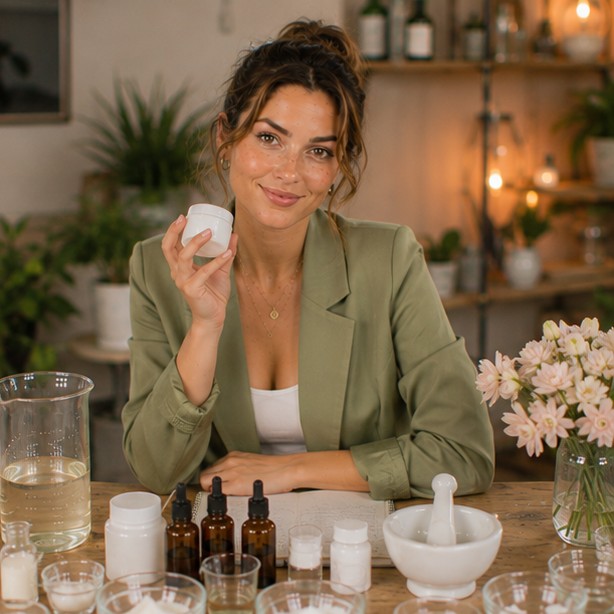 Cosmetic formulation science has shifted dramatically away from harsh bleaching agents toward multi-target bio-identical active networks. For decades, hydroquinone was considered a primary reference point for reducing unwanted hyperpigmentation. However, safety concerns, cutaneous reactivity, cytotoxicity risks, and long-term barrier compromise have prompted global regulatory restrictions and a total phase-out in progressive cosmetic design. In 2026, state-of-the-art depigmentation relies on gentle, highly targeted bioactive combinations that intercept hyperpigmentation at multiple biochemical stages without damaging cellular viability or compromising the skin lipid barrier.
Melanogenesis is a complex cascade initiated by oxidative stress, ultraviolet radiation, and cellular signaling pathways. Tyrosinase enzyme activity plays a central role by catalyzing the conversion of L-tyrosine into dopaquinone, which eventually matures into visible melanin pigment. Modern depigmentation strategies do not rely on a single aggressive molecule. Instead, they utilize synergistic active networks that simultaneously inhibit tyrosinase activation, prevent melanosome transfer to keratinocytes, block inflammatory signaling pathways, and accelerate cellular renewal to gently shed existing surface pigmentation.
Biological Synergies of 2026 Depigmentation Actives
Achieving luminous, even-toned skin without cytotoxic agents requires careful selection of biocompatible active ingredients that work via complementary pathways. The most effective 2026 formulation protocols combine gentle enzyme inhibitors with powerful antioxidants and intracellular signaling blockers.
Alpha Arbutin serves as a stable, water-soluble hydroquinone derivative that releases its active core gradually through enzymatic cleavage, providing continuous tyrosinase inhibition without inducing cellular toxicity or rebound hyperpigmentation.
Tranexamic Acid acts as a powerful anti-inflammatory and vascular stabilizing agent. It inhibits the lysine-binding sites on plasminogen, preventing the plasmin-induced activation of melanocytes triggered by ultraviolet exposure and tissue stress.
Niacinamide operates down-stream in the melanogenesis pathway. Rather than stopping melanin synthesis directly, it blocks up to sixty percent of melanosome transfer from melanocytes into surrounding epidermal cells, while simultaneously boosting ceramide synthesis to fortify barrier function.
Ascorbyl Glucoside AA2G and Magnesium Ascorbyl Phosphate represent stabilized, slow-release vitamin C derivatives. They neutralize reactive oxygen species, reverse existing melanin oxidation back into its colorless precursor form, and stimulate collagen synthesis.
Azelaic Acid targets hyperactive, abnormal melanocytes specifically while leaving normal pigmented cells unaffected, making it an ideal choice for persistent post-inflammatory dark spots and uneven skin texture.
Advantages of Custom Craft Formulations Over Mass Market Industrial Analogs
Commercial mass-market skin brightening products frequently suffer from stability limitations, low active concentrations, and heavy reliance on synthetic visual modifiers. To ensure long shelf lives on retail display shelves, industrial manufacturers often reduce active ingredient dosages below clinically proven thresholds. Furthermore, mass-produced formulas regularly feature synthetic silicones, heavy petroleum derivatives, and micro-plastics that build up on the skin surface, trapping impurities and hindering the penetration of water-soluble active compounds.
Crafting specialized depigmentation serums and emulsions in small, controlled batches offers superior performance advantages. Freshly prepared formulations allow for maximal stability of light-sensitive and heat-sensitive antioxidants. Artisanal formulators can utilize optimal, synergistic active percentages combined with bio-identical phospholipid emulsifiers and botanical hydrosols that actively enhance dermal delivery. By eliminating synthetic fragrances, aggressive alcohol bases, and mineral oils, craft formulations preserve micro-biome diversity, prevent inflammatory responses, and achieve faster, more durable skin tone correction.
Recipe of Tri Phase Brightening Serum with Tranexamic Acid and Alpha Arbutin
This light, fast-absorbing hydro-serum delivers dual-action tyrosinase inhibition and anti-inflammatory protection directly to the upper dermal layers.
Preparation of the Hydrosol Base Measure pure organic neroli hydrosol and deionized water into a sterile glass beaker. Sprinkle high molecular weight hyaluronate powder gently across the liquid surface. Allow the powder to hydrate naturally over twenty minutes until a crystal-clear, uniform hydrogel base forms without lumps.
Dissolution of Water Soluble Actives Add pure alpha arbutin powder and pharmaceutical grade tranexamic acid to the hydrogel base. Stir continuously using a sterile glass rod until all crystalline particles completely dissolve. This step ensures that both active agents are uniformly dispersed within the water matrix for optimal cellular uptake.
Integration of Antioxidant and Barrier Support Incorporate niacinamide powder and D-panthenol provitamin B5 into the active gel solution. Stir thoroughly to achieve full dissolution. Niacinamide complements the tranexamic acid by preventing melanosome transfer, while panthenol maintains deep moisture balance.
Preservation and Final Balance Add a broad-spectrum, eco-certified liquid preservative to guard against microbial growth. Check the solution acidity using a calibrated pH meter. Adjust the final pH level to between five point two and five point five using a diluted citric acid solution. Transfer the clear serum into an opaque amber glass bottle equipped with a glass pipette.
Recipe of Lipid Restoring Depigmentation Cream with Azelaic Acid and AA2G
This rich, barrier-building emulsion targets persistent dark spots while deeply nourishing dry and environmentally stressed skin structures.
Formulation of the Oil Phase In a heat-resistant glass beaker, blend rosehip seed oil, squalane derived from olives, unrefined jojoba oil, and a natural plant-based emulsifying wax. Rosehip oil provides natural trans-retinoic acid precursors that boost cell turnover, while squalane mimics native skin lipids.
Preparation of the Aqueous Active Phase In a separate heat-resistant beaker, combine pure chamomile hydrosol with vegetable glycerin and ascorbyl glucoside AA2G powder. Heat both the lipid phase beaker and the aqueous phase beaker in a controlled water bath until both reach equal warm temperatures and the emulsifying wax is completely liquefied.
Formation of the Emulsion Matrix Slowly pour the warm aqueous phase into the liquid oil phase in a thin, continuous stream while homogenizing at moderate speed using a handheld mixer. Continue blending for three minutes until a smooth, glossy white cream structure forms, then allow the emulsion to cool gradually while stirring gently with a spatula.
Incorporation of Micronized Azelaic Acid and Finishing Once the cream cools to room temperature, add pre-micronized azelaic acid powder along with natural vitamin E tocopherol. Mix thoroughly until the azelaic acid is completely incorporated without any grainy texture. Check that the final pH settles near five point zero. Package the finished cream into an airtight pump dispenser.
Recipe of Cellular Renewal Depigmentation Gel with Kojic Dipalmitate and Peptides
This advanced active night gel combines oil-stable kojic acid derivatives with skin-brightening peptides to target hyper-pigmented areas during overnight cellular recovery cycles.
Base Gel Network Formation Measure deionized water into a sterile vessel and disperse ammonium acryloyldimethyltaurate VP copolymer powder over the surface. Stir vigorously with a high-speed mini mixer until a thick, crystal-clear gel matrix is constructed.
Solubilization of Lipophilic Actives In a small separate glass vessel, gently warm caprylic capric triglycerides along with kojic dipalmitate powder until the lipid-soluble active fully melts into a clear liquid. Kojic dipalmitate offers superior stability compared to standard kojic acid, remaining resistant to light and heat oxidation.
Merging Phases and Adding Peptide Complexes Pour the lipid active solution directly into the clear aqueous gel base while mixing constantly. The polymer matrix will encapsulate the oil droplets, forming a stable micro-emulsion gel. Next, add skin-brightening tetrapeptide solution and licorice root extract.
Stabilization and Packaging Introduce a mild water-soluble preservative system into the gel. Stir slowly to avoid creating air bubbles within the gel network. Verify that the acidity remains between five point five and six point zero. Store the finished night gel in an airtight airless container.
Application Guidelines and Synergistic Daily Protocols
To achieve maximum skin brightening efficacy without triggering irritation, follow a structured, layer-based daily routine designed to support barrier resilience.
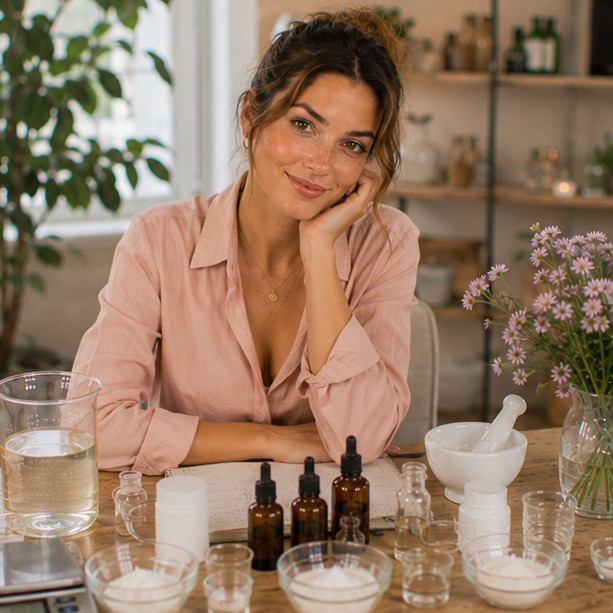
Morning Protection Sequence Start your morning procedure by washing the face with a mild, non-foaming gel cleanser. Apply four drops of the Tri Phase Brightening Serum onto clean skin, patting gently until fully absorbed. Follow with a light application of the Lipid Restoring Depigmentation Cream to seal in active ingredients and fortify the intercellular lipid matrix. Finish your morning preparation with a broad-spectrum mineral sun protection lotion to prevent UV-induced melanogenesis.
Daytime Maintenance Avoid harsh physical exfoliation or aggressive chemical peels while using active depigmentation regimens. If spending extended time outdoors, re-apply sun protection every two hours to ensure that synthesized melanin pathways remain inactive.
Evening Renewal Protocol Perform a double-cleansing routine in the evening to eliminate urban pollutants, surface lipid oxidation products, and sunscreen residue. Apply the Cellular Renewal Depigmentation Gel evenly over the face and neck, paying extra attention to areas with visible discoloration. Allow the active peptides and kojic dipalmitate to work undisturbed during overnight cellular regeneration.
Storage Requirements and Shelf Life Management
Active brightening compounds are particularly sensitive to ambient environmental conditions, requiring dedicated care to maintain potency.
Temperature and Light Protection Store all prepared serums, creams, and gels in dark glass or opaque containers away from direct sunlight and artificial heat sources. Ascorbyl glucoside, alpha arbutin, and botanical extracts degrade rapidly when exposed to ultraviolet light. A cool cabinet maintained below room temperature or a specialized mini cosmetic refrigerator provides ideal storage conditions.
Air Exposure Control Keep containers tightly sealed when not actively dispensing product. Atmospheric oxygen triggers oxidative degradation of active antioxidants, turning white emulsions yellow or brown over time. Utilizing airless pump dispensers or dark glass dropper bottles significantly extends product longevity.
Hygiene and Tool Sterilization Never insert unsterilized fingers directly into cream jars or touch glass dropper pipettes directly to skin surfaces. Always extract product using clean, sanitized plastic spatulas or pump mechanisms to avoid introducing environmental bacteria into the formula.
Usage Duration Parameters Due to the absence of harsh industrial stabilizers, craft depigmentation formulas should be utilized within specific timeframes. Water-based serums and active gels should be used within two to three months of preparation, while lipid-based emulsion creams remain stable for up to three months under proper storage conditions.


Cosmetic ingredients and professional formulation blog
This section features expert materials on modern cosmetic actives. We cover peptides, polynucleotides PDRN, different forms of hyaluronic acid, retinoids, ceramides and other key components.
Special focus is given to active stability, ingredient compatibility and correct incorporation into formulas. You will find practical guides on working with anti-age actives, moisturizing complexes and barrier repair ingredients.
We examine how to properly combine myorelaxants with peptides, common mistakes when using unstable vitamin C forms and ways to improve the performance of moisturizing actives.
Separate materials are dedicated to base oils, extracts, emulsifiers and supporting ingredients. This helps create stable and effective formulas for both professional and home cosmetics.
The blog regularly publishes reviews of trending actives, comparisons of similar ingredients and step-by-step formulation recommendations. The content is aimed at formulators, technologists and anyone seriously involved in creating cosmetic products.
Why this blog is useful
Here you will find practical data on eye area care actives, lifting systems and ingredients that improve skin firmness and tone. We rely on real formulation experience and address the actual challenges that arise during product development.
You can also explore materials on skin protection and repair, depigmentation and anti-inflammatory actives. This approach supports a more systematic selection of ingredients.
FAQ
What topics are covered most often
The blog focuses on peptides, PDRN, hyaluronic acid of different molecular weights, retinoids, ceramides and their compatibility rules.
Are there practical recommendations on how to incorporate actives
Yes, most articles include practical notes on pH stability, incorporation temperature and common formulation mistakes.
Is the content only for professionals
The materials are useful both for formulators and technologists and for those who create cosmetics for personal use and want to understand how modern ingredients work.
Where can I go directly to the ingredients
All key actives are collected in the Actives section, while base components are available in base oils and related categories.



