-
 DIY: Video master classes
-
 Aromatherapy
-
 Felting master classes
-
 Eating at home
-
 DIY cosmetics for children
-
 Cooking recipes
-
 Detergents, cleaning products with your own hands
-
 Soap making as a business
-
 Natural cosmetics. Raw materials for cosmetics and soap.
-
 Natural oils in cosmetics
-
 News
-
 Recipes for balms and conditioners
-
 Bath Bomb Recipes
-
 Cream recipes. Cream making.
-
 Lotion recipes. Gel recipes.
-
 Mask recipes
-
 Soap recipes. Base soap. Soap from scratch.
-
 Recipes for all occasions
-
 Natural shampoo recipes
-
 Healthy Nutrition Recipes
-
 Scrub recipes. Massage tiles. Ubtan
-
 DIY candles
-
 Reference materials, questions, tips
-
 Startup - soap production
-
 Hair care. Tips, recipes
-
 Facial skin care. Cleansers.
-
 Body care. Tips, recipes
-
 Photo Reviews
-
 Chocolate Handmade


Carrier oils and extracts in anti-aging formulas: how to combine them with peptides and PDRN
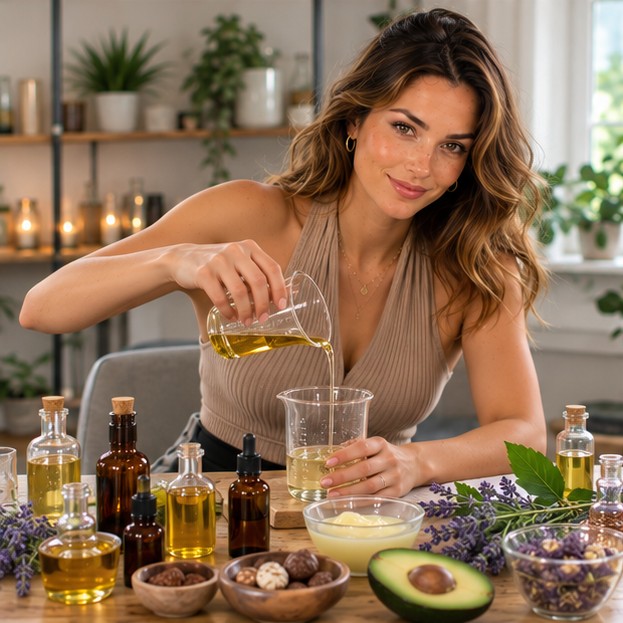 Cosmetic chemistry and anti-aging formulation science have evolved far beyond basic skin moisturizing. Contemporary skin regeneration relies on combining natural structural lipids with high-technology bio-signaling agents. Plant-derived base oils and botanical extracts provide essential fatty acids, phytosterols, and natural antioxidants. Concurrently, signal peptides and polydeoxyribonucleotides, commonly known as PDRN, direct cellular activity, accelerate tissue recovery, and promote fresh collagen matrix synthesis.
Combining these two distinct classes of active ingredients presents significant formulation challenges. Botanical oils and extracts are lipophilic, high-density structures, whereas most peptide chains and PDRN complexes are hydrophilic molecules highly sensitive to thermal degradation, extreme acidity shifts, and lipid oxidation. Creating a stable, high-performance anti-aging product requires precise phase balance, gentle homogenization, and temperature-controlled incorporation. When combined correctly, basic oils transport hydrophilic bio-actives deeper into the stratum corneum while reinforcing the lipid barrier.
Biochemical Mechanisms and Synergy of Actives
Developing effective anti-aging solutions requires leveraging complementary biochemical pathways. Each active category fulfills a distinct, complementary function within the skin matrix.
Base oils rich in linoleic, oleic, and alpha-linolenic acids rebuild the intercellular lipid bilayer. They reduce trans-epidermal water loss and restore barrier integrity, creating an ideal physiological environment for cellular renewal.
Botanical CO2 extracts deliver concentrated polyphenols, carotenoids, and lipophilic antioxidants. They neutralize free radicals generated by environmental exposure, shielding fragile peptide chains and structural proteins from oxidative breakdown.
Signal peptides act as cellular messengers. They bind to specific cell membrane receptors, instructing dermal fibroblasts to synthesize fresh collagen type one, elastins, and glycosaminoglycans to reduce wrinkle depth.
PDRN molecules supply essential purine and pyrimidine nucleotide building blocks. They stimulate adenosine A2A receptors, accelerate tissue repair, soothe localized skin irritation, and enhance DNA repair mechanisms in sun-damaged cells.
Formulating without proper protocols can cause peptide denaturing or PDRN structural breakdown, particularly if introduced to hot lipid phases or mixed with oxidized oils. Adhering to strict formulation steps preserves active bioavailability and ensures optimum skin absorption.
Structural Advantages of Small-Batch Formulations Over Mass-Market Products
Commercial mass-market anti-aging lotions often encounter severe shelf-life and supply chain constraints. Industrial manufacturers frequently rely on refined synthetic mineral oils, silicone derivatives, and aggressive preservative systems to guarantee multi-year stability. These synthetic fillers create an artificial surface seal that can clog pores, disrupt cutaneous microflora, and impede the absorption of large active molecules like peptides and PDRN.
Handcrafted and small-batch cosmetic formulations offer distinct structural advantages. Artisanal manufacturing utilizes unrefined, cold-pressed plant oils and fresh supercritical CO2 extracts retaining their full biological potency. Formulators can construct lamellar liquid-crystal emulsions that closely mirror the natural lipid architecture of human skin. Eliminating synthetic silicones allows peptides and PDRN complexes to move freely across the lipid barrier. Furthermore, using mild, eco-certified preservation systems preserves skin microbiome equilibrium and prevents premature breakdown of sensitive nucleic acid compounds.
Recipe of Restorative Lamellar Emulsion with Argan Oil, PDRN, and Signal Peptides
This rich, barrier-repairing cream provides deep lipid nourishment while delivering targeted cell-signaling compounds to mature skin.
Preparation of the Lipid Phase and Emulsifiers In a sterile, heat-resistant glass beaker, weigh unrefined argan oil, macadamia nut oil, and a lecithin-based lamellar emulsifier. Argan oil supplies abundant vitamin E and essential fatty acids, while macadamia oil delivers palmitoleic acid to restore elasticity in dry, thinning skin.
Preparation of the Aqueous Base In a second heat-resistant beaker, combine pure deionized water and vegetable glycerin. Place both beakers into a gentle water bath and heat gradually until the emulsifier completely melts and both phases reach an identical warm liquid state.
Homogenization and Lamellar Network Formation Remove both containers from the water bath. Slowly pour the warm aqueous phase into the lipid phase while blending continuously with a high-speed mini mixer or laboratory homogenizer. Maintain steady mixing for three minutes until a smooth, glossy emulsion forms, then allow the cream to cool down naturally to room temperature while stirring gently with a spatula.
Integration of Temperature Sensitive Actives Once the emulsion cools completely to room temperature, add the liquid PDRN solution, the signal peptide complex, and a concentrated rosemary CO2 extract. Incorporate a broad-spectrum eco-certified preservative. Mix thoroughly until homogeneous, measure the pH level to ensure it falls between five point two and five point seven, and transfer the finished cream into an airless pump dispenser.
Recipe of Rejuvenating Hydro-Oil Serum with Rosehip Oil and Peptides
This lightweight, dual-action serum combines lipid-soluble anti-aging vitamins with peptide messengers for intensive evening skin restoration.
Construction of the Hydrating Polymer Matrix Disperse high-molecular-weight sodium hyaluronate powder over sterile deionized water in a clean glass beaker. Allow the mixture to hydrate undisturbed for twenty minutes, then stir with a glass rod until a clear, uniform hydrogel forms.
Incorporation of Water Soluble PDRN and Peptide Actives Add the PDRN compound, a wrinkle-relaxing peptide solution, and provitamin B5 D-panthenol directly into the hydrogel base. Stir continuously until all components are fully dissolved and distributed evenly throughout the gel network.
Solubilization and Addition of Botanical Oils In a separate small vessel, pre-mix cold-pressed rosehip seed oil, sea buckthorn CO2 extract, and a mild non-ionic plant solubilizer. Rosehip oil provides natural trans-retinoic acid precursors to encourage cell turnover. Slowly pour this lipid pre-mix into the main hydrogel while stirring steadily until a stable micro-emulsion is achieved.
Final Stabilization and Packaging Incorporate a gentle water-soluble preservative and natural vitamin E tocopherol to protect the lipid fraction from oxidation. Verify that the acidity remains between five point five and five point eight. Package the serum into a dark amber glass bottle equipped with a dropper assembly.
Recipe of Soothing Anti-Stress Fluid with Jojoba Oil and Centella Extract
This gentle, highly biocompatible fluid is engineered to soothe irritated skin and rebuild the barrier following active cosmetic treatments or environmental stress.
Blending the Lipid Foundation Combine unrefined jojoba oil, olive-derived squalane, and a lightweight bio-emulsifier in a heat-resistant glass vessel. Jojoba oil functions as a liquid wax ester, closely mimicking natural human sebum to support lipid balance without heaviness.
Aqueous Phase Assembly In a separate glass vessel, blend organic rose hydrosol, deionized water, and pure allantoin powder. Heat both vessels in a controlled water bath until all solid components melt completely and both phases reach an equal warm temperature.
Phase Emulsification and Cooling Pour the aqueous phase into the warm oil mixture while homogenizing at moderate speed. Continue blending until a light, fluid emulsion is created. Allow the container to cool down naturally at room temperature, stirring periodically with a glass rod.
Incorporation of Active Recovery Complex When the fluid reaches room temperature, add the PDRN solution, supercritical centella asiatica CO2 extract, and a restructuring copper peptide complex. Centella asiatica calms inflammation, while copper peptides support dermal repair mechanisms. Add an eco-certified preservative, check that the pH balances between five point four and five point eight, and store in an airless dispenser.
Application Protocols and Daily Integration Guidelines
Following systematic application steps ensures maximum absorption of bio-actives without overwhelming the cutaneous lipid barrier.
Morning Defense Protocol Begin your morning routine by cleansing the face with a mild, non-foaming gel cleanser. Dispense two to three pumps of the Soothing Anti-Stress Fluid or Restorative Lamellar Emulsion onto lightly dampened skin. Gently press the product along facial massage lines until fully absorbed. Allow five minutes for full absorption before applying sunscreen lotion to protect skin lipids from UV oxidation.
Daytime Usage Considerations Avoid combining peptide and PDRN formulations with highly concentrated direct acids or low-pH chemical exfoliants in the same application layer. Strongly acidic environments disrupt the tertiary structure of peptide chains and degrade PDRN molecules.
Evening Cell Renewal Routine Thoroughly double-cleanse the face in the evening to remove airborne particulates, oxidized sebum, and sunscreen residue. Apply the Rejuvenating Hydro-Oil Serum to the face, neck, and décolletage. Nighttime skin rest cycles provide optimal conditions for cell renewal, allowing PDRN and peptides to work synergistically overnight.
Storage Standards and Shelf-Life Control
Formulations containing natural botanical oils, peptide chains, and nucleic acid complexes require structured storage practices to maintain active potency.
Temperature and Light Protection Keep all customized serums, fluids, and creams in dark glass or opaque containers away from direct sunlight and heat sources. Elevated storage temperatures accelerate lipid rancidity and break down fragile peptide bonds. Store formulations in a cool cabinet maintained below room temperature or within a dedicated cosmetic mini-fridge.
Prevention of Oxidation Always seal container closures tightly immediately after use. Atmospheric oxygen exposure triggers lipid peroxide formation in unrefined plant oils, which rapidly destabilizes active PDRN and peptide compounds.
Sanitation Requirements Utilize airless pump dispensers or sterile glass droppers to avoid direct contact with formulation contents. Never insert fingers directly into cream jars, as microbial contamination rapidly overwhelms gentle eco-preservative systems.
Recommended Shelf Life Due to the absence of harsh industrial stabilizers, small-batch formulations should be used within specific timeframes. Water-based hydro-oil serums and fluids remain active for up to two to three months after mixing, while lamellar emulsions maintain structural stability for up to three months under proper storage conditions.


Cosmetic ingredients and professional formulation blog
This section features expert materials on modern cosmetic actives. We cover peptides, polynucleotides PDRN, different forms of hyaluronic acid, retinoids, ceramides and other key components.
Special focus is given to active stability, ingredient compatibility and correct incorporation into formulas. You will find practical guides on working with anti-age actives, moisturizing complexes and barrier repair ingredients.
We examine how to properly combine myorelaxants with peptides, common mistakes when using unstable vitamin C forms and ways to improve the performance of moisturizing actives.
Separate materials are dedicated to base oils, extracts, emulsifiers and supporting ingredients. This helps create stable and effective formulas for both professional and home cosmetics.
The blog regularly publishes reviews of trending actives, comparisons of similar ingredients and step-by-step formulation recommendations. The content is aimed at formulators, technologists and anyone seriously involved in creating cosmetic products.
Why this blog is useful
Here you will find practical data on eye area care actives, lifting systems and ingredients that improve skin firmness and tone. We rely on real formulation experience and address the actual challenges that arise during product development.
You can also explore materials on skin protection and repair, depigmentation and anti-inflammatory actives. This approach supports a more systematic selection of ingredients.
FAQ
What topics are covered most often
The blog focuses on peptides, PDRN, hyaluronic acid of different molecular weights, retinoids, ceramides and their compatibility rules.
Are there practical recommendations on how to incorporate actives
Yes, most articles include practical notes on pH stability, incorporation temperature and common formulation mistakes.
Is the content only for professionals
The materials are useful both for formulators and technologists and for those who create cosmetics for personal use and want to understand how modern ingredients work.
Where can I go directly to the ingredients
All key actives are collected in the Actives section, while base components are available in base oils and related categories.



