-
 DIY: Video master classes
-
 Aromatherapy
-
 Felting master classes
-
 Eating at home
-
 DIY cosmetics for children
-
 Cooking recipes
-
 Detergents, cleaning products with your own hands
-
 Soap making as a business
-
 Natural cosmetics. Raw materials for cosmetics and soap.
-
 Natural oils in cosmetics
-
 News
-
 Recipes for balms and conditioners
-
 Bath Bomb Recipes
-
 Cream recipes. Cream making.
-
 Lotion recipes. Gel recipes.
-
 Mask recipes
-
 Soap recipes. Base soap. Soap from scratch.
-
 Recipes for all occasions
-
 Natural shampoo recipes
-
 Healthy Nutrition Recipes
-
 Scrub recipes. Massage tiles. Ubtan
-
 DIY candles
-
 Reference materials, questions, tips
-
 Startup - soap production
-
 Hair care. Tips, recipes
-
 Facial skin care. Cleansers.
-
 Body care. Tips, recipes
-
 Photo Reviews
-
 Chocolate Handmade


Room aromatization, diffusers, essential oils, fragrances
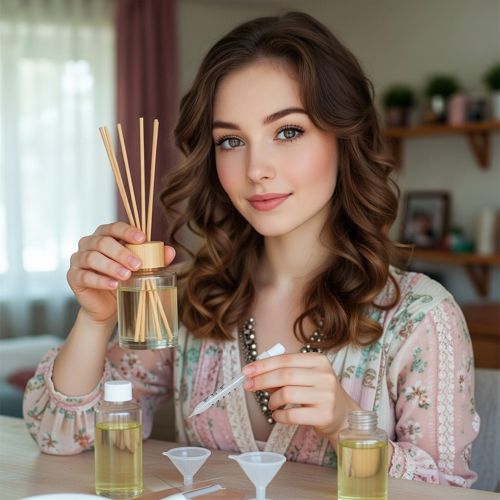 Creating a unique atmosphere in a home or office begins with the sense of smell. Room aromatization through diffusers and high quality aroma oils has evolved from a simple luxury into an essential part of interior design and wellness. A correctly chosen scent can do more than just mask odors it can influence psychological well being improve focus and provide deep relaxation after a long day.
Using natural essential oils and professional diffuser bases allows you to create a safe and ecological alternative to industrial air fresheners. In this comprehensive guide we will explore the mechanisms of reed diffusers the benefits of handmade compositions and the technical nuances of preparing interior perfumes that stand out for their quality and longevity.
The Science of Reed Diffuser Functionality and Base Selection
A classic reed diffuser works on the principle of capillary action. The base liquid mixed with aroma oils saturates the porous structure of rattan or fiber sticks. Once the liquid reaches the surface of the sticks the aroma molecules evaporate into the air through natural circulation. The key to a successful diffuser lies in the viscosity and evaporation rate of the base liquid.
Professional makers use specialized synthetic bases that are alcohol free or low alcohol to ensure a uniform scent release over several months. Unlike cheap industrial versions that use heavy solvents or high concentrations of isopropyl alcohol professional bases have no harsh chemical smell and prevent the oils from separating. This ensures a consistent intensity of evaporation from the first day until the very last drop of liquid.
Beneficial Properties of Natural Room Aromatization
Utilizing natural essential oils in your home provides more than just a pleasant smell it offers therapeutic benefits. For instance lavender oil is known for its ability to lower cortisol levels and promote sleep. Lemon and peppermint oils stimulate cognitive functions and increase alertness while eucalyptus and tea tree oils possess antimicrobial properties that help purify the indoor air.
Unlike industrial sprays that often contain phthalates aerosols and formaldehyde natural homemade diffusers do not irritate the respiratory tract or trigger cumulative allergies. This makes them the ideal choice for households with children pets or individuals with sensitive immune systems.
Advantages Over Industrial Air Fresheners
Most mass market air fresheners use inexpensive synthetic fragrances that smell flat and can often cause headaches. By creating your own diffuser you gain total control over the ingredients and the intensity of the scent.
First you can adjust the scent throw by changing the number of sticks or the concentration of the oils. Second you create a unique perfume pyramid that is not found in every supermarket. Third the lifespan of a high quality handmade diffuser is significantly longer. A one hundred milliliter handmade diffuser can last between three to five months which is far more economical than automatic sprays or plug in fresheners.
Recipe One Energizing Citrus for Living Areas
This composition is perfect for daytime use as it fills the space with freshness and vitality.
Ingredients Eighty milliliters of professional diffuser base twelve milliliters of lemon essential oil eight milliliters of bergamot essential oil a glass bottle with a narrow neck and fiber reeds.
Step one Thoroughly clean and dry the glass bottle as any moisture can cause the mixture to become cloudy or separate. Step two Pour eighty milliliters of the chosen diffuser base into the bottle using a small funnel to avoid spills. Step three Add the lemon and bergamot essential oils directly into the base. Step four Stir the mixture gently with a glass rod or swirl the bottle for one minute to ensure the oils are fully dissolved. Step five Insert the fiber reeds into the bottle and let them sit for an hour then flip them to accelerate the initial aromatization process. Step six Place the diffuser in an area with good air circulation but away from direct sunlight to prevent the oils from oxidizing.
Recipe Two Deep Relaxation for Bedrooms
A calm woody composition with floral notes designed to prepare the mind and body for restful sleep.
Ingredients Seventy five milliliters of diffuser base ten milliliters of sandalwood aroma oil five milliliters of lavender essential oil ten milliliters of cedarwood oil.
Step one Mix the aroma oils in a separate small glass container first to ensure the scent profile is balanced to your liking. Step Two Add the oil blend to the seventy five milliliters of diffuser base already inside your primary vessel. Step three Secure the cap and shake the bottle vigorously for thirty seconds to achieve molecular bonding between the base and the oils. Step four Let the mixture rest for twelve hours in a dark place before inserting the reeds for the first time. Step five Use only three or four sticks for a moderate evaporation rate that is not too overwhelming for a sleeping area. Step six For a subtle boost of fragrance flip the sticks once a week to refresh the exposed scent surface.
Recipe Three Cozy Spice for Kitchen and Dining
A warm inviting aroma that neutralizes cooking smells and creates a sense of domestic comfort.
Ingredients Seventy milliliters of diffuser base twenty milliliters of cinnamon aroma oil ten milliliters of sweet orange essential oil.
Step one Prepare a one hundred milliliter glass bottle. Step two Pour the cinnamon and sweet orange oils into the bottle first to allow them to meld. Step three Fill the remainder of the bottle with the diffuser base leaving a small amount of space at the top. Step four Close the bottle and shake well until the liquid is completely homogeneous. Step five Insert rattan reeds which are better suited for conducting heavier spicy and resinous scents. Step six Place the diffuser at waist or chest height where air movement is most consistent for better scent distribution.
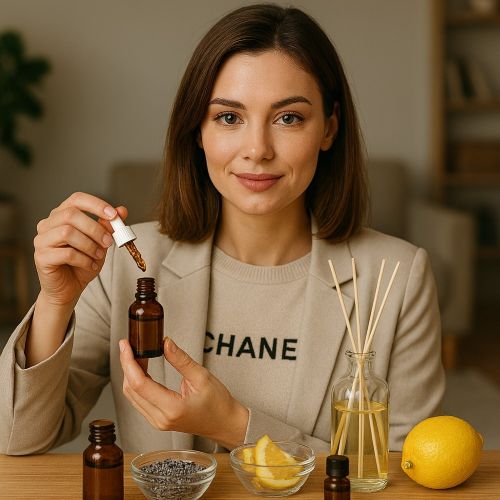
Detailed Recommendations for Use and Storage
The efficiency of room aromatization depends heavily on how the diffuser is managed and maintained over time.
To regulate the intensity of the scent use the number of sticks as a dial. If the fragrance is too strong remove one or two sticks. If it is too weak add more or flip the existing ones. Fiber reeds usually provide a stronger scent throw than wooden ones because they are engineered to be more porous.
Store your diffusers and extra aroma oils in a cool dark place. Ultraviolet rays are the enemy of essential oils as they break down the chemical bonds causing the scent to change or turn rancid. Do not place diffusers near heat sources like radiators because excessive heat will cause the base to evaporate too quickly without releasing the fragrance properly.
Every three months it is recommended to replace the reeds with new ones. Over time the pores of the sticks become clogged with dust and oil residue which prevents the liquid from climbing up the reeds. If you notice there is still liquid in the bottle but no scent it is time for a fresh set of sticks.
Safety and Environmental Sustainability
When working with concentrated aroma oils avoid contact with finished wood or plastic surfaces. The high concentration of oils can act as a solvent and damage furniture finishes. Always keep your diffusers on a coaster or a ceramic tray to catch any accidental drips. Ensure that diffusers are kept out of reach of children and pets to prevent accidental ingestion.
By choosing high quality certified components you ensure that your home aromatization remains a beneficial practice that enhances your living space while respecting the health of your family and the environment.


Cosmetic ingredients and professional formulation blog
This section features expert materials on modern cosmetic actives. We cover peptides, polynucleotides PDRN, different forms of hyaluronic acid, retinoids, ceramides and other key components.
Special focus is given to active stability, ingredient compatibility and correct incorporation into formulas. You will find practical guides on working with anti-age actives, moisturizing complexes and barrier repair ingredients.
We examine how to properly combine myorelaxants with peptides, common mistakes when using unstable vitamin C forms and ways to improve the performance of moisturizing actives.
Separate materials are dedicated to base oils, extracts, emulsifiers and supporting ingredients. This helps create stable and effective formulas for both professional and home cosmetics.
The blog regularly publishes reviews of trending actives, comparisons of similar ingredients and step-by-step formulation recommendations. The content is aimed at formulators, technologists and anyone seriously involved in creating cosmetic products.
Why this blog is useful
Here you will find practical data on eye area care actives, lifting systems and ingredients that improve skin firmness and tone. We rely on real formulation experience and address the actual challenges that arise during product development.
You can also explore materials on skin protection and repair, depigmentation and anti-inflammatory actives. This approach supports a more systematic selection of ingredients.
FAQ
What topics are covered most often
The blog focuses on peptides, PDRN, hyaluronic acid of different molecular weights, retinoids, ceramides and their compatibility rules.
Are there practical recommendations on how to incorporate actives
Yes, most articles include practical notes on pH stability, incorporation temperature and common formulation mistakes.
Is the content only for professionals
The materials are useful both for formulators and technologists and for those who create cosmetics for personal use and want to understand how modern ingredients work.
Where can I go directly to the ingredients
All key actives are collected in the Actives section, while base components are available in base oils and related categories.



