-
 DIY: Video master classes
-
 Aromatherapy
-
 Felting master classes
-
 Eating at home
-
 DIY cosmetics for children
-
 Cooking recipes
-
 Detergents, cleaning products with your own hands
-
 Soap making as a business
-
 Natural cosmetics. Raw materials for cosmetics and soap.
-
 Natural oils in cosmetics
-
 News
-
 Recipes for balms and conditioners
-
 Bath Bomb Recipes
-
 Cream recipes. Cream making.
-
 Lotion recipes. Gel recipes.
-
 Mask recipes
-
 Soap recipes. Base soap. Soap from scratch.
-
 Recipes for all occasions
-
 Natural shampoo recipes
-
 Healthy Nutrition Recipes
-
 Scrub recipes. Massage tiles. Ubtan
-
 DIY candles
-
 Reference materials, questions, tips
-
 Startup - soap production
-
 Hair care. Tips, recipes
-
 Facial skin care. Cleansers.
-
 Body care. Tips, recipes
-
 Photo Reviews
-
 Chocolate Handmade


Watermelon Night Mask: Refreshing and Moisturizing for Your Skin
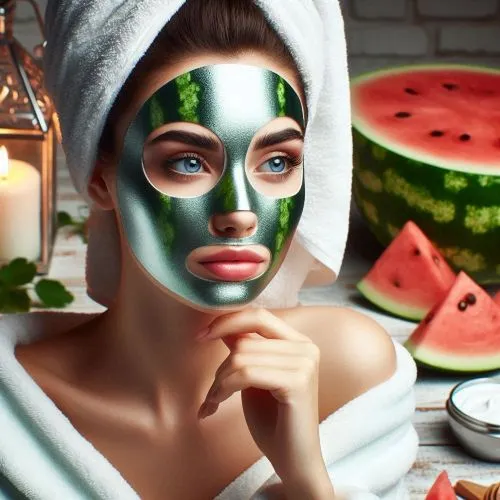
 In the quest for radiant, hydrated skin, natural ingredients are increasingly taking center stage. Watermelon, with its high water content and abundance of vitamins, is a summer staple that extends its benefits beyond the palate. This article delves into the creation and utilization of a homemade watermelon night mask, offering a refreshing and hydrating solution for your skin.
Why Watermelon for Skin?
Watermelon is more than just a sweet treat. It's packed with:
- Hydrating Power: Over 90% water content, making it excellent for replenishing skin moisture.
- Vitamins and Antioxidants: Rich in vitamins A, C, and E, which fight free radicals and promote collagen production.
- Lycopene: A powerful antioxidant that protects skin from sun damage and environmental stressors.
- Amino Acids: Citrulline, an amino acid, contributes to skin hydration and cell regeneration.
These properties make watermelon an ideal ingredient for a night mask, allowing your skin to absorb its benefits while you sleep.
Advantages Over Industrial Analogues
Commercial night masks often contain preservatives, artificial fragrances, and other potentially irritating ingredients. Homemade watermelon masks offer:
- Natural Ingredients: You control exactly what goes on your skin.
- Freshness: Maximize the potency of vitamins and antioxidants by using fresh watermelon.
- Cost-Effectiveness: Often cheaper than store-bought masks.
- Customization: Tailor the mask to your specific skin needs by adding other beneficial ingredients.
DIY Watermelon Night Mask Recipes
Here are three distinct watermelon night mask recipes, each targeting different skin concerns:
1. Basic Hydrating Watermelon Mask:
- This recipe is perfect for all skin types, especially those seeking a simple hydration boost.
- Ingredients:
- 1 cup ripe watermelon, cubed and seedless
- 1 tablespoon honey (for added moisture and antibacterial properties)
- Preparation:
- Blend the watermelon until smooth.
- Strain the blended watermelon through a fine-mesh sieve or cheesecloth to remove any pulp.
- Mix the strained watermelon juice with honey until well combined.
- Application:
- Cleanse your face thoroughly.
- Apply a thin, even layer of the mask to your face and neck.
- Leave the mask on for 15-20 minutes.
- Rinse with cool water and pat your skin dry.
- Nuances: For extra cooling, chill the watermelon before blending. Honey can be substituted with aloe vera gel for oily skin.
- Ingredients:
2. Watermelon and Yogurt Brightening Mask:
- This mask combines the hydrating power of watermelon with the exfoliating and brightening properties of yogurt.
- Ingredients:
- 1/2 cup ripe watermelon, mashed
- 2 tablespoons plain Greek yogurt (rich in lactic acid)
- 1 teaspoon lemon juice (optional, for added brightening)
- Preparation:
- Mash the watermelon with a fork or blender.
- Mix the mashed watermelon with Greek yogurt and lemon juice (if using).
- Stir until you have a smooth, consistent texture.
- Application:
- Cleanse your face.
- Apply the mask evenly, avoiding the eye area.
- Leave on for 15 minutes.
- Rinse with lukewarm water.
- Nuances: Greek yogurt provides a richer texture than regular yogurt. Test a small area of skin before using lemon juice, as it can be irritating for sensitive skin.
- Ingredients:
3. Watermelon and Avocado Nourishing Mask:
- This mask is ideal for dry or mature skin, providing deep hydration and nourishment.
- Ingredients:
- 1/2 cup ripe watermelon, blended
- 1/4 ripe avocado, mashed (rich in healthy fats and vitamins)
- 1 tablespoon olive oil (for added moisture)
- Preparation:
- Blend the watermelon until smooth.
- Mash the avocado until creamy.
- Combine the blended watermelon, mashed avocado, and olive oil.
- Mix thoroughly until you have a smooth, rich mask.
- Application:
- Cleanse your face.
- Apply a generous layer of the mask to your face and neck.
- Leave on for 20-25 minutes.
- Rinse with warm water and pat dry.
- Nuances: Avocado provides a creamy texture and deep moisturization. Olive oil reinforces the moisturizing effect.
- Ingredients:
 Recommendations for Use and Storage
- Patch Test: Before applying any homemade mask to your entire face, perform a patch test on a small area of skin to check for allergies or irritation.
- Nighttime Application: Apply these masks at night, allowing your skin to absorb the nutrients while you sleep.
- Frequency: Use these masks 2-3 times per week for optimal results.
- Storage:
- Fresh watermelon masks are best used immediately.
- If you have leftovers, store them in an airtight container in the refrigerator for up to 24 hours.
- Avoid storing masks for longer periods, as the ingredients may lose their potency and freshness.
- Skin Type: Adjust the ingredients based on your skin type. Oily skin may benefit from adding clay, while dry skin may benefit from adding oils.
- Sun Sensitivity: Be aware that some ingredients like lemon juice can increase sun sensitivity. Always use sunscreen during the day.
Conclusion
A watermelon night mask offers a refreshing and hydrating solution for your skin, harnessing the natural benefits of this summer fruit. By creating your own masks at home, you can control the ingredients and tailor them to your specific needs, achieving a radiant and healthy complexion. Embrace the natural power of watermelon and enjoy the rejuvenating effects of this homemade skincare treat.


Cosmetic ingredients and professional formulation blog
This section features expert materials on modern cosmetic actives. We cover peptides, polynucleotides PDRN, different forms of hyaluronic acid, retinoids, ceramides and other key components.
Special focus is given to active stability, ingredient compatibility and correct incorporation into formulas. You will find practical guides on working with anti-age actives, moisturizing complexes and barrier repair ingredients.
We examine how to properly combine myorelaxants with peptides, common mistakes when using unstable vitamin C forms and ways to improve the performance of moisturizing actives.
Separate materials are dedicated to base oils, extracts, emulsifiers and supporting ingredients. This helps create stable and effective formulas for both professional and home cosmetics.
The blog regularly publishes reviews of trending actives, comparisons of similar ingredients and step-by-step formulation recommendations. The content is aimed at formulators, technologists and anyone seriously involved in creating cosmetic products.
Why this blog is useful
Here you will find practical data on eye area care actives, lifting systems and ingredients that improve skin firmness and tone. We rely on real formulation experience and address the actual challenges that arise during product development.
You can also explore materials on skin protection and repair, depigmentation and anti-inflammatory actives. This approach supports a more systematic selection of ingredients.
FAQ
What topics are covered most often
The blog focuses on peptides, PDRN, hyaluronic acid of different molecular weights, retinoids, ceramides and their compatibility rules.
Are there practical recommendations on how to incorporate actives
Yes, most articles include practical notes on pH stability, incorporation temperature and common formulation mistakes.
Is the content only for professionals
The materials are useful both for formulators and technologists and for those who create cosmetics for personal use and want to understand how modern ingredients work.
Where can I go directly to the ingredients
All key actives are collected in the Actives section, while base components are available in base oils and related categories.


