-
 DIY: Video master classes
-
 Aromatherapy
-
 Felting master classes
-
 Eating at home
-
 DIY cosmetics for children
-
 Cooking recipes
-
 Detergents, cleaning products with your own hands
-
 Soap making as a business
-
 Natural cosmetics. Raw materials for cosmetics and soap.
-
 Natural oils in cosmetics
-
 News
-
 Recipes for balms and conditioners
-
 Bath Bomb Recipes
-
 Cream recipes. Cream making.
-
 Lotion recipes. Gel recipes.
-
 Mask recipes
-
 Soap recipes. Base soap. Soap from scratch.
-
 Recipes for all occasions
-
 Natural shampoo recipes
-
 Healthy Nutrition Recipes
-
 Scrub recipes. Massage tiles. Ubtan
-
 DIY candles
-
 Reference materials, questions, tips
-
 Startup - soap production
-
 Hair care. Tips, recipes
-
 Facial skin care. Cleansers.
-
 Body care. Tips, recipes
-
 Photo Reviews
-
 Chocolate Handmade


Antioxidants in cosmetics: skin protection and formula stability
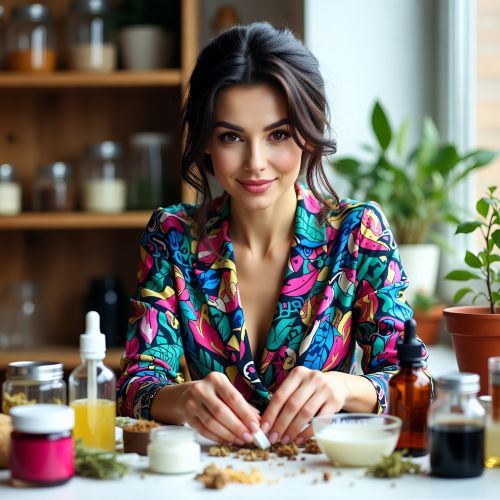 Antioxidants in cosmetics skin protection and formula stability represent the dual shield of modern skincare formulation. These powerful molecules serve a critical function by neutralizing free radicals which are unstable atoms that damage cells and lead to premature aging. Beyond their physiological benefits for the skin antioxidants are essential for maintaining the integrity of the cosmetic product itself. They prevent the oxidation of natural oils and the degradation of active ingredients ensuring that your homemade beauty products remain safe and effective for longer periods.
In this guide we will explore the biochemistry of antioxidants their role in stabilizing emulsions and provide three professional grade recipes. You will learn how to harness the power of vitamins and botanical extracts to create skincare that outperforms mass market products in both potency and freshness.
The Biological Function of Antioxidants for Skin Health
The skin is constantly exposed to oxidative stress from ultraviolet radiation pollution and metabolic processes. This stress generates reactive oxygen species that break down collagen and elastin fibers causing wrinkles and hyperpigmentation. Antioxidants work by donating an electron to these free radicals effectively neutralizing them before they can cause cellular damage.
Incorporating antioxidants like Vitamin C Vitamin E and Ferulic acid into your routine helps brighten the complexion and reduce inflammation. They act as a biological insurance policy reinforcing the skin natural defenses against environmental aggressors. Furthermore when used in combination antioxidants often exhibit synergistic effects where one molecule regenerates another significantly increasing the overall protective capacity of the formula.
Formula Stability and the Prevention of Rancidity
From a chemist perspective antioxidants are vital for protecting the lipid phase of a cosmetic product. Natural unrefined oils are rich in polyunsaturated fatty acids which are highly susceptible to oxidation when exposed to air and light. This process leads to rancidity characterized by an unpleasant odor color changes and the formation of skin irritating peroxides.
Adding fat soluble antioxidants such as Mixed Tocopherols or Rosemary Oleoresin is mandatory for any anhydrous balm or emulsion containing plant oils. These substances stop the chain reaction of lipid peroxidation extending the shelf life of the product and ensuring that the nutrients within the oils remain bioavailable for the skin.
Advantages of Handmade Antioxidant Care Over Industrial Products
Handmade antioxidant products offer a significant advantage in terms of freshness and concentration. Many industrial brands use synthetic stabilizers that offer long shelf lives but provide little biological benefit to the skin. Furthermore because antioxidants like L ascorbic acid are notoriously unstable industrial products often contain very low concentrations to prevent visible browning on the shelf.
When you create your own cosmetics you can prepare small fresh batches using high concentrations of active vitamins. You have the freedom to exclude silicones and petroleum byproducts which are often used in commercial creams as cheap fillers. By formulating at home you ensure that the antioxidants are at their peak potency when they reach your skin providing a level of protection that mass produced items simply cannot match.
Recipe One High Potency Brightening Serum with Vitamin C and E
This serum targets dark spots and provides a massive boost to the skin defense system using the golden duo of vitamins.
Ingredients Eighteen milliliters of distilled water one gram of Sodium Ascorbyl Phosphate a stable Vitamin C derivative one milliliter of vegetable glycerin two drops of Vitamin E Tocopherol and two drops of a broad spectrum preservative.
Step one Pour the distilled water into a sterilized glass container and add the Sodium Ascorbyl Phosphate. Step two Stir gently until the powder is completely dissolved and the liquid is clear. Step three Mix in the vegetable glycerin to provide hydration and a smooth glide for the serum. Step four Add the Vitamin E. Since this is an oil it may create a slight cloudiness which is normal for a concentrated serum. Step five Use a pH strip to ensure the solution is between six and seven which is the stability window for this form of Vitamin C. Step six Add the preservative stir well and transfer the serum into a cobalt blue or amber glass bottle with a pipette.
Recipe Two Daily Defense Fluid with Green Tea and Resveratrol
A lightweight fluid perfect for morning application to protect the skin from urban pollution and sun damage.
Ingredients Twenty five milliliters of green tea hydrosol five milliliters of grapeseed oil three grams of a lightweight emulsifying wax zero point five grams of Resveratrol powder and two drops of rosemary antioxidant extract.
Step one Heat the green tea hydrosol in one container and the grapeseed oil with the emulsifying wax in another using a water bath. Step two Once the wax has melted combine the two phases and whisk intensely until a smooth white emulsion forms. Step three Allow the mixture to cool down to thirty degrees Celsius while continuing to stir occasionally. Step four Add the Resveratrol powder which provides intensive protection against environmental toxins. Step five Stir in the rosemary antioxidant extract to stabilize the grapeseed oil and prevent it from going rancid. Step six Transfer the fluid into an airless pump bottle to minimize contact with oxygen.
Recipe Three Night Repair Antioxidant Oil Concentrate
A rich blend of botanical oils and antioxidants designed to repair cellular damage during the sleep cycle.
Ingredients Ten milliliters of rosehip oil ten milliliters of argan oil five drops of Coenzyme Q10 and three drops of Vitamin E.
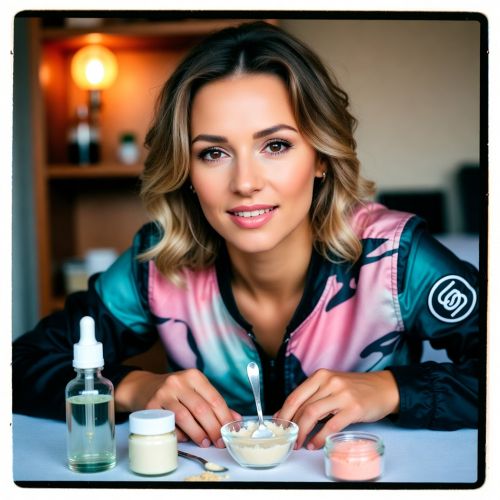
Step one Mix the rosehip oil and argan oil in a small glass beaker. Step two Add the Coenzyme Q10 which is a powerful fat soluble antioxidant that supports cellular energy production. Step three Stir in the Vitamin E to act as both a skin active and a formula stabilizer. Step four Blend the oils thoroughly until the golden color is uniform throughout the mixture. Step five Apply three drops to damp skin in the evening before your night cream. Step six Store this oil in a cool dark place as the high concentration of antioxidants is sensitive to heat.
Comprehensive Recommendations for Use and Storage
Antioxidant products are most effective when used consistently and stored correctly. Since antioxidants are designed to react with oxygen they are inherently sensitive to the environment. Light and air are the primary enemies of these formulas. Always use dark glass or opaque packaging and ensure that lids are tightened immediately after use.
For maximum effectiveness apply antioxidant serums in the morning under your sunscreen. This provides a second line of defense against UV rays that might penetrate the primary filter. If a product containing Vitamin C changes to a dark orange or brown color it has oxidized and should no longer be used on the skin.
Storage in a refrigerator is highly recommended for water based antioxidant serums to prolong their potency. When formulated with a preservative and stored in cool dark conditions handmade antioxidant cosmetics typically remain active for three to four months. By following these professional guidelines you can ensure that your skin receives the highest level of protection possible.


Cosmetic ingredients and professional formulation blog
This section features expert materials on modern cosmetic actives. We cover peptides, polynucleotides PDRN, different forms of hyaluronic acid, retinoids, ceramides and other key components.
Special focus is given to active stability, ingredient compatibility and correct incorporation into formulas. You will find practical guides on working with anti-age actives, moisturizing complexes and barrier repair ingredients.
We examine how to properly combine myorelaxants with peptides, common mistakes when using unstable vitamin C forms and ways to improve the performance of moisturizing actives.
Separate materials are dedicated to base oils, extracts, emulsifiers and supporting ingredients. This helps create stable and effective formulas for both professional and home cosmetics.
The blog regularly publishes reviews of trending actives, comparisons of similar ingredients and step-by-step formulation recommendations. The content is aimed at formulators, technologists and anyone seriously involved in creating cosmetic products.
Why this blog is useful
Here you will find practical data on eye area care actives, lifting systems and ingredients that improve skin firmness and tone. We rely on real formulation experience and address the actual challenges that arise during product development.
You can also explore materials on skin protection and repair, depigmentation and anti-inflammatory actives. This approach supports a more systematic selection of ingredients.
FAQ
What topics are covered most often
The blog focuses on peptides, PDRN, hyaluronic acid of different molecular weights, retinoids, ceramides and their compatibility rules.
Are there practical recommendations on how to incorporate actives
Yes, most articles include practical notes on pH stability, incorporation temperature and common formulation mistakes.
Is the content only for professionals
The materials are useful both for formulators and technologists and for those who create cosmetics for personal use and want to understand how modern ingredients work.
Where can I go directly to the ingredients
All key actives are collected in the Actives section, while base components are available in base oils and related categories.



