-
 DIY: Video master classes
-
 Aromatherapy
-
 Felting master classes
-
 Eating at home
-
 DIY cosmetics for children
-
 Cooking recipes
-
 Detergents, cleaning products with your own hands
-
 Soap making as a business
-
 Natural cosmetics. Raw materials for cosmetics and soap.
-
 Natural oils in cosmetics
-
 News
-
 Recipes for balms and conditioners
-
 Bath Bomb Recipes
-
 Cream recipes. Cream making.
-
 Lotion recipes. Gel recipes.
-
 Mask recipes
-
 Soap recipes. Base soap. Soap from scratch.
-
 Recipes for all occasions
-
 Natural shampoo recipes
-
 Healthy Nutrition Recipes
-
 Scrub recipes. Massage tiles. Ubtan
-
 DIY candles
-
 Reference materials, questions, tips
-
 Startup - soap production
-
 Hair care. Tips, recipes
-
 Facial skin care. Cleansers.
-
 Body care. Tips, recipes
-
 Photo Reviews
-
 Chocolate Handmade


Antioxidants in Cosmetics: Top Ingredients and How They Work in Formulas
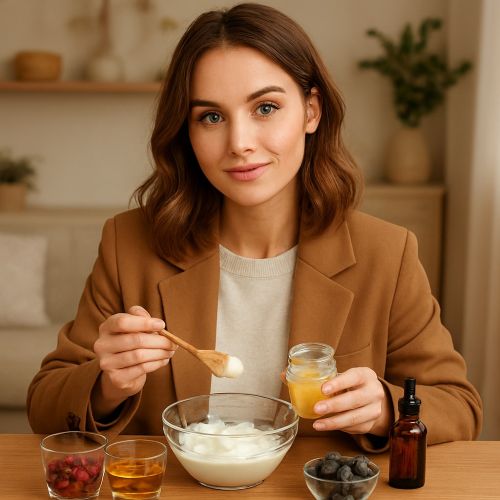 Antioxidants are the defense system of skincare. Their primary role is to neutralize free radicals unstable molecules generated by UV radiation pollution and metabolic processes that cause oxidative stress leading to collagen breakdown inflammation and premature aging. Incorporating effective antioxidants into your cosmetic routine is the most crucial strategy for preventative anti-aging care.
However the true effectiveness of an antioxidant product is highly dependent on the type of antioxidant its stability within the formula and its delivery system. This comprehensive guide provides an in-depth look at the top antioxidant ingredients explains their mechanisms of action and offers three detailed recipes illustrating how to formulate stable and potent protective skincare. Learn the nuances of preparation to create products that deliver superior results compared to mass-market analogs.
The Theory of Antioxidants and Free Radical Damage
Oxidative stress occurs when there is an imbalance between the production of reactive oxygen species (free radicals) and the skin's ability to detoxify their harmful effects. Antioxidants stop this process.
Mechanism of Action The Electron Donor
Free radicals are missing an electron making them highly reactive and prone to stealing electrons from stable molecules in the skin like collagen and cellular DNA. Antioxidants work by donating an electron to the free radical effectively neutralizing it and stopping the chain reaction of damage.
Top Tier Antioxidant Ingredients
-
1 Vitamin C (L-Ascorbic Acid and Derivatives): Provides potent photoprotection stimulates collagen synthesis and brightens hyperpigmentation. Nuance: L-Ascorbic Acid is highly unstable and requires low pH (below 35) or anhydrous (water-free) formulas to remain active. Stable derivatives like SAP or MAP are easier to use in home formulation.
-
2 Vitamin E (Tocopherol): A fat-soluble antioxidant that works synergistically with Vitamin C. It protects cell membranes and is essential for preserving the oils within the formula itself.
-
3 Resveratrol: Found in grape skins it is a powerful polyphenol known for its strong anti-inflammatory properties and ability to protect against UV damage.
-
4 Coenzyme Q10 (Ubiquinone): A fat-soluble antioxidant naturally present in the body which decreases with age. It is vital for cellular energy production and free radical scavenging.
Recipe 1 The Stable Vitamin C Brightening Serum (L-Ascorbic Acid Free)
This water-based serum uses a stable Vitamin C derivative (SAP) that works at a skin-friendly pH maximizing brightening and compatibility.
Ingredients Needed
-
1 Stable Vitamin C Derivative Sodium Ascorbyl Phosphate SAP powder 3 grams (Cooling Phase)
-
2 Antioxidant Duo Vitamin E Tocopherol 05 ml (Cooling Phase)
-
3 Hydrator Hyaluronic Acid 1% solution 20 ml (Water Base)
-
4 Base Distilled Water 75 ml
-
5 Preservative (Essential) 05 grams (Cooling Phase)
Preparation Nuances
-
SAP Stability: SAP is one of the most stable Vitamin C forms. It dissolves in water and is effective at a pH of 60 to 70 making it gentle and compatible with most other actives.
-
Vitamin E: Although Vitamin E is oil-soluble it is added in a minimal amount here to stabilize the SAP solution and to provide its own benefits.
Step-by-Step Instructions
-
Step one In a clean beaker combine the Distilled Water (75 ml) and the Hyaluronic Acid solution (20 ml). Gently stir until a uniform base is formed.
-
Step two In a small separate dish dissolve the SAP powder (3 grams) completely in a small amount of the water base.
-
Step three Add the dissolved SAP solution into the main water base. Stir gently.
-
Step four Add the Vitamin E (05 ml) and mix thoroughly.
-
Step five Introduce the Preservative (05 grams) ensuring it is fully incorporated.
-
Step six Transfer the finished serum to a dark opaque airless pump bottle to maximize stability and prevent light degradation.
Recipe 2 The Resveratrol and CoQ10 Antioxidant Cream (Emulsion Base)
This rich emulsion focuses on lipid-soluble antioxidants for deep anti-aging protection and barrier repair.
Ingredients Needed
-
1 Antioxidant Powder Resveratrol powder 05 grams (Cooling Phase)
-
2 Antioxidant Oil Coenzyme Q10 Ubiquinone 10% solution 3 ml (Cooling Phase)
-
3 Emulsifying Wax NF or Olivem 1000 5 grams (Oil Phase)
-
4 Carrier Oil Rosehip Oil or Squalane 15 ml (Oil Phase)
-
5 Water Phase Distilled Water 75 ml
-
6 Preservative 05 grams (Cooling Phase)
Preparation Nuances
-
Resveratrol Solubility: Resveratrol dissolves poorly in oil or water alone. It is best dissolved into a small amount of warm carrier oil or a polyol like Propanediol before being integrated into the cooling emulsion.
-
CoQ10 Color: CoQ10 is a vibrant orange. This will slightly color the final cream which is normal and indicates its presence.
Step-by-Step Instructions
-
Step one Combine Emulsifying Wax (5 grams) and Carrier Oil (15 ml) in a double boiler until melted (Oil Phase).
-
Step two Heat Distilled Water (75 ml) separately to the same temperature (approximately 70 degrees Celsius) (Water Phase).
-
Step three Pour the Water Phase into the Oil Phase stirring vigorously until the cream emulsion forms.
-
Step four Remove from heat and continue stirring while the cream cools to below 40 degrees Celsius.
-
Step five While the cream cools dissolve the Resveratrol powder (05 grams) in a spoonful of warm Carrier Oil (not from the main batch) or Propanediol. Add this to the cream.
-
Step six Add the CoQ10 solution (3 ml) and the Preservative (05 grams). Stir well.
-
Step seven Store the cream in an airtight dark jar or pump.
Recipe 3 The Anhydrous Vitamin C and E Boost Oil (Protection Focus)
This water-free formula uses the ultimate antioxidant pair Vitamin C (in its stable oil-soluble form) and Vitamin E for concentrated overnight protection.
Ingredients Needed
-
1 Oil-Soluble Vitamin C (Tetrahexyldecyl Ascorbate THDA) 5 ml
-
2 Antioxidant Vitamin E Tocopherol 2 ml
-
3 Barrier Oil Jojoba Oil or Meadowfoam Seed Oil 43 ml
Step-to-Step Instructions
-
Step one Ensure all equipment is clean and dry as this formula is anhydrous.
-
Step two In a dark glass beaker combine the Barrier Oil (43 ml) and the Vitamin E (2 ml).
-
Step three Add the Oil-Soluble Vitamin C THDA (5 ml).
-
Step four Stir gently but thoroughly until the mixture is uniform. Note: No heat is required.
-
Step five Transfer the finished oil into a dark amber glass bottle with a dropper.
Detailed Recommendations for Use and Storage
Usage Guide for Antioxidants
-
Morning Protection: Antioxidant serums and creams (Recipes 1 and 2) should primarily be used in the morning underneath sunscreen. They fight the free radicals generated by UV exposure providing an invisible shield.
-
Oil Application: Anhydrous oils (Recipe 3) are best used in the evening as the last step of your routine to lock in moisture and allow overnight repair.
-
Layering: Always apply the serum (Recipe 1) before the cream (Recipe 2) to ensure the active ingredients penetrate effectively.
Storage and Shelf Life
-
Container Selection: This is the most critical step. All antioxidant products must be stored in dark opaque airless containers. Light and oxygen are the main enemies of ingredients like Vitamin C and CoQ10.
-
Temperature: Store all finished products in a cool dark place. Refrigeration (4-8 degrees Celsius) is highly recommended for all formulas containing Vitamin C or potent polyphenols to maximize their effectiveness over time.
-
Shelf Life: Properly preserved and stored water-based antioxidant serums/creams (Recipes 1 and 2) should be used within 2-3 months. Anhydrous oils (Recipe 3) can last 6-12 months due to the absence of water and the presence of Vitamin E.
-
Observation: Discard any product that changes color significantly (e.g. Vitamin C serum turning dark yellow/orange) or develops an off-odor as this indicates oxidation and loss of potency.
Advantages Over Industrial Analogs
Formulating your own antioxidant skincare offers significant advantages over commercially available products:
-
Superior Stability Control: You can specifically choose the most stable antioxidant forms (SAP THDA) and use packaging that guarantees minimal exposure to light and air a level of protection often overlooked in cheaper commercial products.
-
Therapeutic Concentration Guaranteed: Many commercial antioxidant products use low concentrations to keep costs down. You ensure the inclusion of clinically proven concentrations (e.g. 10-15% Vitamin C derivative or 1-3% CoQ10) necessary for tangible protective and anti-aging benefits.
-
Freshness and Potency: You avoid the long supply chain and shelf time of commercial products ensuring the sensitive actives are at their maximum potency when you begin use.
-
Clean Formulation: You eliminate unnecessary irritants fillers and synthetic fragrances that often destabilize delicate antioxidant molecules or cause skin sensitivity.
By mastering the formulation of these top-tier antioxidants you create a protective shield for your skin that is cleaner fresher and significantly more potent than most store-bought alternatives.


Cosmetic ingredients and professional formulation blog
This section features expert materials on modern cosmetic actives. We cover peptides, polynucleotides PDRN, different forms of hyaluronic acid, retinoids, ceramides and other key components.
Special focus is given to active stability, ingredient compatibility and correct incorporation into formulas. You will find practical guides on working with anti-age actives, moisturizing complexes and barrier repair ingredients.
We examine how to properly combine myorelaxants with peptides, common mistakes when using unstable vitamin C forms and ways to improve the performance of moisturizing actives.
Separate materials are dedicated to base oils, extracts, emulsifiers and supporting ingredients. This helps create stable and effective formulas for both professional and home cosmetics.
The blog regularly publishes reviews of trending actives, comparisons of similar ingredients and step-by-step formulation recommendations. The content is aimed at formulators, technologists and anyone seriously involved in creating cosmetic products.
Why this blog is useful
Here you will find practical data on eye area care actives, lifting systems and ingredients that improve skin firmness and tone. We rely on real formulation experience and address the actual challenges that arise during product development.
You can also explore materials on skin protection and repair, depigmentation and anti-inflammatory actives. This approach supports a more systematic selection of ingredients.
FAQ
What topics are covered most often
The blog focuses on peptides, PDRN, hyaluronic acid of different molecular weights, retinoids, ceramides and their compatibility rules.
Are there practical recommendations on how to incorporate actives
Yes, most articles include practical notes on pH stability, incorporation temperature and common formulation mistakes.
Is the content only for professionals
The materials are useful both for formulators and technologists and for those who create cosmetics for personal use and want to understand how modern ingredients work.
Where can I go directly to the ingredients
All key actives are collected in the Actives section, while base components are available in base oils and related categories.



