-
 DIY: Video master classes
-
 Aromatherapy
-
 Felting master classes
-
 Eating at home
-
 DIY cosmetics for children
-
 Cooking recipes
-
 Detergents, cleaning products with your own hands
-
 Soap making as a business
-
 Natural cosmetics. Raw materials for cosmetics and soap.
-
 Natural oils in cosmetics
-
 News
News
-
 Recipes for balms and conditioners
-
 Bath Bomb Recipes
-
 Cream recipes. Cream making.
-
 Lotion recipes. Gel recipes.
-
 Mask recipes
-
 Soap recipes. Base soap. Soap from scratch.
-
 Recipes for all occasions
-
 Natural shampoo recipes
-
 Healthy Nutrition Recipes
-
 Scrub recipes. Massage tiles. Ubtan
-
 DIY candles
-
 Reference materials, questions, tips
-
 Startup - soap production
-
 Hair care. Tips, recipes
-
 Facial skin care. Cleansers.
-
 Body care. Tips, recipes
-
 Photo Reviews
-
 Chocolate Handmade


Health Secret: DIY Antibacterial Soap
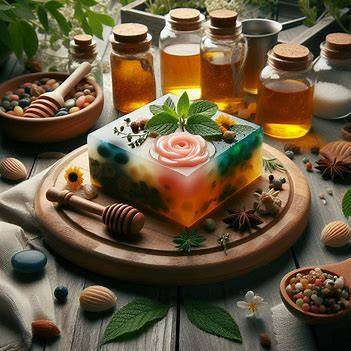 In the quest for good health, many reach for antibacterial soaps, believing them to be the ultimate shield against germs. However, the truth is more nuanced. While DIY projects can be fun, creating your own "super soap" might not be the health secret you're looking for. Here's why:
Myth Busters: Antibacterial vs. Regular Soap
- Mode of Action: Both regular soap and antibacterial soap lift dirt and germs from your skin. However, antibacterial soaps contain additional ingredients that target and kill certain bacteria.
- The Overkill Effect: While eliminating some bacteria is beneficial, antibacterial soaps can disrupt the natural microbiome on your skin. This delicate ecosystem plays a vital role in immunity and overall health.
- Antibiotic Resistance: The overuse of antibacterial soaps may contribute to the rise of antibiotic-resistant bacteria, a growing public health concern.
The Power of Plain Soap and Water
Good hygiene remains the cornerstone of preventing the spread of germs. Here's why regular soap and water are your best allies:
- Effective Cleansing: Regular soap effectively removes dirt, germs, and even some viruses without disrupting your skin's natural balance.
- Simple Yet Powerful: This readily available duo offers a simple and effective way to maintain good hand hygiene.
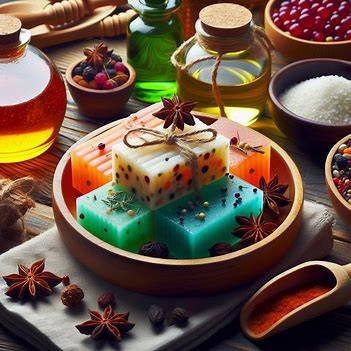 DIY Alternatives: Focus on Natural Cleansers
If you're drawn to the DIY approach, consider exploring natural alternatives that focus on cleansing rather than targeting bacteria:
- Castile Soap: This gentle, vegetable-based soap offers a good lather and cleansing power without harsh chemicals.
- Honey: Known for its antibacterial properties, honey can be incorporated into DIY hand scrubs for added cleansing. (Important Note: Not recommended for children under 1 year old due to the risk of botulism.)
- Essential Oils: While not inherently antibacterial, some essential oils like tea tree oil have purifying properties. However, use them with caution due to potential skin irritation. (Always dilute essential oils in a carrier oil before applying them to your skin.)
Remember: Consult a healthcare professional before using any new ingredients on your skin, especially if you have sensitive skin or any skin conditions.
The Real Secret to Health: A Holistic Approach
Maintaining good health goes beyond just handwashing. Here are some additional tips:
- Balanced Diet: Nourish your body with a healthy diet rich in fruits, vegetables, and whole grains.
- Exercise Regularly: Physical activity strengthens your immune system and overall well-being.
- Manage Stress: Chronic stress can weaken your immune response. Practice relaxation techniques like yoga or meditation.
- Quality Sleep: Aim for 7-8 hours of sleep each night for optimal immune function.
By focusing on these holistic practices and practicing good hygiene with regular soap and water, you can empower your body's natural defenses and promote long-term health.
"


Cosmetic ingredients and professional formulation blog
This section features expert materials on modern cosmetic actives. We cover peptides, polynucleotides PDRN, different forms of hyaluronic acid, retinoids, ceramides and other key components.
Special focus is given to active stability, ingredient compatibility and correct incorporation into formulas. You will find practical guides on working with anti-age actives, moisturizing complexes and barrier repair ingredients.
We examine how to properly combine myorelaxants with peptides, common mistakes when using unstable vitamin C forms and ways to improve the performance of moisturizing actives.
Separate materials are dedicated to base oils, extracts, emulsifiers and supporting ingredients. This helps create stable and effective formulas for both professional and home cosmetics.
The blog regularly publishes reviews of trending actives, comparisons of similar ingredients and step-by-step formulation recommendations. The content is aimed at formulators, technologists and anyone seriously involved in creating cosmetic products.
Why this blog is useful
Here you will find practical data on eye area care actives, lifting systems and ingredients that improve skin firmness and tone. We rely on real formulation experience and address the actual challenges that arise during product development.
You can also explore materials on skin protection and repair, depigmentation and anti-inflammatory actives. This approach supports a more systematic selection of ingredients.
FAQ
What topics are covered most often
The blog focuses on peptides, PDRN, hyaluronic acid of different molecular weights, retinoids, ceramides and their compatibility rules.
Are there practical recommendations on how to incorporate actives
Yes, most articles include practical notes on pH stability, incorporation temperature and common formulation mistakes.
Is the content only for professionals
The materials are useful both for formulators and technologists and for those who create cosmetics for personal use and want to understand how modern ingredients work.
Where can I go directly to the ingredients
All key actives are collected in the Actives section, while base components are available in base oils and related categories.