-
 DIY: Video master classes
-
 Aromatherapy
-
 Felting master classes
-
 Eating at home
-
 DIY cosmetics for children
-
 Cooking recipes
-
 Detergents, cleaning products with your own hands
-
 Soap making as a business
-
 Natural cosmetics. Raw materials for cosmetics and soap.
-
 Natural oils in cosmetics
-
 News
News
-
 Recipes for balms and conditioners
-
 Bath Bomb Recipes
-
 Cream recipes. Cream making.
-
 Lotion recipes. Gel recipes.
-
 Mask recipes
-
 Soap recipes. Base soap. Soap from scratch.
-
 Recipes for all occasions
-
 Natural shampoo recipes
-
 Healthy Nutrition Recipes
-
 Scrub recipes. Massage tiles. Ubtan
-
 DIY candles
-
 Reference materials, questions, tips
-
 Startup - soap production
-
 Hair care. Tips, recipes
-
 Facial skin care. Cleansers.
-
 Body care. Tips, recipes
-
 Photo Reviews
-
 Chocolate Handmade


DIY body lotion: a simple recipe for velvety skin
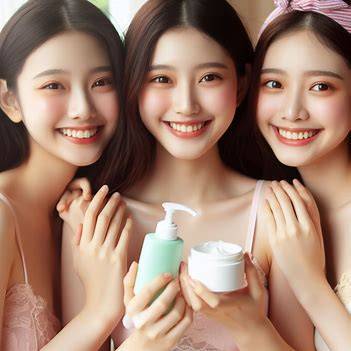 Do-It-Yourself Body Lotion: A Simple Recipe for Velvety Skin
Craving luxuriously soft, touchable skin but tired of store-bought lotions laden with chemicals? Look no further than your own kitchen! With a few simple ingredients and a little DIY spirit, you can whip up a nourishing body lotion that pampers your skin and leaves it feeling velvety smooth.
This recipe is perfect for beginners and requires minimal equipment. Plus, you can customize it with your favorite scents and botanical extracts for a truly personalized experience.
Benefits of DIY Body Lotion:
- Natural Ingredients: You control what goes into your lotion, avoiding harsh chemicals or artificial fragrances that might irritate sensitive skin.
- Customization: Tailor the scent and ingredients to your specific needs and preferences. Add calming essential oils for relaxation, or opt for invigorating citrus notes for an uplifting experience.
- Cost-Effective: DIY lotions are generally much cheaper than store-bought versions, especially when you consider the high-quality ingredients you can use.
- Freshness: Homemade lotions are typically made in smaller batches, ensuring you get the freshest product possible.
Simple Velvety Body Lotion Recipe:
This recipe yields approximately 8 ounces of lotion.
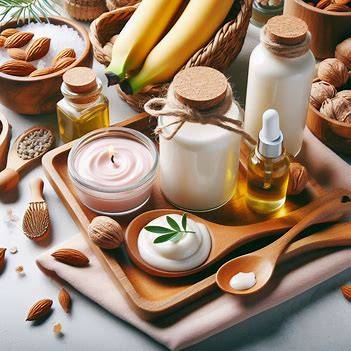
Ingredients:
- ½ cup (120 ml) carrier oil (such as jojoba oil, sweet almond oil, or grapeseed oil)
- ¼ cup (60 ml) aloe vera gel (or distilled water)
- 1 tablespoon (15 ml) beeswax pastilles (or another natural wax like candelilla wax)
- 1 tablespoon (15 ml) shea butter (optional, for extra richness)
- 20-30 drops essential oil (optional, choose your favorite scent)
- Vitamin E oil capsule (optional, for added nourishment)
 Equipment:
- Heat-resistant glass bowl
- Saucepan for double boiler
- Mixing spoon
- Hand mixer (optional)
- Airtight container for storage
Instructions:
- Melt the wax: Fill a saucepan with a few inches of water and bring it to a simmer. Place the heat-resistant glass bowl on top of the saucepan, creating a double boiler. Add the beeswax pastilles and shea butter (if using) to the bowl and heat gently, stirring occasionally, until completely melted.
- Combine the wet ingredients: While the wax is melting, in a separate bowl whisk together the carrier oil and aloe vera gel.
- Emulsify the mixture: Once the wax is melted, slowly drizzle it into the wet ingredients while continuously whisking with a hand mixer (or vigorously by hand) until the mixture becomes opaque and creamy. This process is crucial for creating a smooth and stable lotion.
- Cool and customize: Remove the bowl from the heat and let the mixture cool slightly. If using essential oils and Vitamin E oil, add them now and stir well.
- Store and enjoy! Once the lotion has cooled completely, transfer it to an airtight container. Store your DIY lotion in a cool, dark place for up to 3 months.
Tips and Customization:
- Carrier oil: Choose a carrier oil that suits your skin type. Jojoba oil closely mimics the skin's natural sebum, making it suitable for most skin types. Grapeseed oil is a lightweight option for oily skin, while sweet almond oil offers a richer feel for dry skin.
- Essential oils: A few drops of essential oil can add a delightful scent and additional benefits to your lotion. Lavender oil is known for its calming properties, while grapefruit oil is invigorating and uplifting. Remember, a little goes a long way with essential oils, so start with a few drops and adjust as needed.
- Herbal extracts: Dried and powdered botanicals like calendula or chamomile can be infused into the carrier oil for added soothing and anti-inflammatory benefits. Simply steep the herbs in the oil for a few weeks before using it in your recipe.
- Whipped lotion: For an even lighter and fluffier texture, whip the cooled lotion with a hand mixer until it doubles in volume.
Safety Considerations:
- Patch test: Always perform a patch test before applying any new product to your skin. Apply a small amount of the lotion to your inner forearm and wait 24 hours to check for any irritation.
- Essential oils: Essential oils are potent and can irritate sensitive skin. Be sure to dilute them properly in a carrier oil before use.
- Preservatives: This recipe does not contain a preservative, so it’s best to use it within 3 months. If you plan to store your lotion for a longer period, consider adding a natural preservative like Optiphen Plus.


Cosmetic ingredients and professional formulation blog
This section features expert materials on modern cosmetic actives. We cover peptides, polynucleotides PDRN, different forms of hyaluronic acid, retinoids, ceramides and other key components.
Special focus is given to active stability, ingredient compatibility and correct incorporation into formulas. You will find practical guides on working with anti-age actives, moisturizing complexes and barrier repair ingredients.
We examine how to properly combine myorelaxants with peptides, common mistakes when using unstable vitamin C forms and ways to improve the performance of moisturizing actives.
Separate materials are dedicated to base oils, extracts, emulsifiers and supporting ingredients. This helps create stable and effective formulas for both professional and home cosmetics.
The blog regularly publishes reviews of trending actives, comparisons of similar ingredients and step-by-step formulation recommendations. The content is aimed at formulators, technologists and anyone seriously involved in creating cosmetic products.
Why this blog is useful
Here you will find practical data on eye area care actives, lifting systems and ingredients that improve skin firmness and tone. We rely on real formulation experience and address the actual challenges that arise during product development.
You can also explore materials on skin protection and repair, depigmentation and anti-inflammatory actives. This approach supports a more systematic selection of ingredients.
FAQ
What topics are covered most often
The blog focuses on peptides, PDRN, hyaluronic acid of different molecular weights, retinoids, ceramides and their compatibility rules.
Are there practical recommendations on how to incorporate actives
Yes, most articles include practical notes on pH stability, incorporation temperature and common formulation mistakes.
Is the content only for professionals
The materials are useful both for formulators and technologists and for those who create cosmetics for personal use and want to understand how modern ingredients work.
Where can I go directly to the ingredients
All key actives are collected in the Actives section, while base components are available in base oils and related categories.