-
 DIY: Video master classes
-
 Aromatherapy
-
 Felting master classes
-
 Eating at home
-
 DIY cosmetics for children
-
 Cooking recipes
-
 Detergents, cleaning products with your own hands
-
 Soap making as a business
-
 Natural cosmetics. Raw materials for cosmetics and soap.
-
 Natural oils in cosmetics
-
 News
-
 Recipes for balms and conditioners
-
 Bath Bomb Recipes
-
 Cream recipes. Cream making.
-
 Lotion recipes. Gel recipes.
-
 Mask recipes
-
 Soap recipes. Base soap. Soap from scratch.
-
 Recipes for all occasions
-
 Natural shampoo recipes
-
 Healthy Nutrition Recipes
-
 Scrub recipes. Massage tiles. Ubtan
-
 DIY candles
-
 Reference materials, questions, tips
-
 Startup - soap production
-
 Hair care. Tips, recipes
-
 Facial skin care. Cleansers.
-
 Body care. Tips, recipes
-
 Photo Reviews
-
 Chocolate Handmade


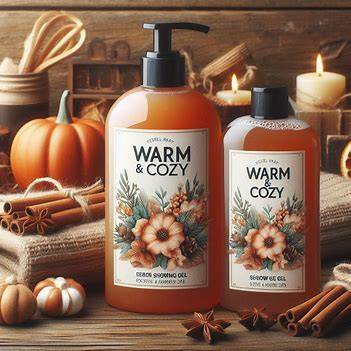
Shower gel "Warm & Cozy"
 There's nothing quite like stepping out of the shower wrapped in a cloud of warmth and comfort. A homemade shower gel can provide that exact experience, tailored to your personal preferences. Let’s create a "Warm & Cozy" shower gel together.
Understanding the Base
Before diving into recipes, let's understand the basic components of a shower gel:
- Surfactants: These are the cleansing agents. Common ones include Sodium Lauryl Sulfate (SLS), Sodium Laureth Sulfate (SLES), and Cocamidopropyl Betaine (a milder alternative).
- Thickener: This gives the gel its consistency. Options include xanthan gum, sodium chloride (salt), or vegetable glycerin.
- Moisturizers: These keep your skin hydrated. Examples include glycerin, aloe vera gel, and oils like coconut or olive oil.
- Preservatives: To extend the shelf life, consider using natural preservatives like grapefruit seed extract or vitamin E.
- Fragrance: Essential oils or fragrance oils can be used to create your desired scent.
Recipe 1: Creamy Cinnamon & Vanilla
This recipe offers a rich, comforting scent.
Ingredients:
- Clear base gel (containing surfactants and thickeners)
- Distilled water
- Glycerin
- Xanthan gum
- Cinnamon essential oil
- Vanilla essential oil
- Brown food coloring (optional)
Instructions:
- In a clean container, mix the clear base gel with distilled water.
- Add glycerin and xanthan gum, stirring until the mixture thickens.
- Add cinnamon and vanilla essential oils to your desired scent.
- For a deeper color, add a few drops of brown food coloring.
- Stir well and let the mixture stand for a few hours to allow the xanthan gum to fully activate.
Recipe 2: Spicy Ginger & Orange
A zesty and invigorating shower gel.
Ingredients:
- Clear base gel
- Distilled water
- Aloe vera gel
- Ginger essential oil
- Orange essential oil
 Instructions:
- Combine the clear base gel and distilled water.
- Stir in aloe vera gel for added moisture.
- Add ginger and orange essential oils.
- Mix well until the oils are evenly distributed.
Recipe 3: Cozy Coconut & Honey
This recipe provides a gentle and hydrating experience.
Ingredients:
- Clear base gel
- Distilled water
- Coconut oil (solid, not liquid)
- Honey
- Coconut fragrance oil
Instructions:
- Melt coconut oil in a double boiler.
- Mix the clear base gel with distilled water.
- Slowly add the melted coconut oil to the gel mixture, stirring continuously.
- Incorporate honey for its moisturizing properties.
- Add coconut fragrance oil.
- Let the mixture cool completely before using.
Tips:
- Always test a small amount of the shower gel on a patch of skin before full use to check for allergies.
- Store your shower gel in a clean, airtight container.
- Adjust the quantities of ingredients to your preference.
- Experiment with different essential oils to create your unique scent.
Additional Ideas:
- For a more luxurious feel, add a touch of shea butter or cocoa butter to your recipe.
- Incorporate exfoliating agents like ground coffee or sugar for a body scrub.
- Consider using natural colorants like beetroot powder or turmeric for a vibrant hue.
By following these recipes and experimenting with different ingredients, you can create a personalized "Warm & Cozy" shower gel that transforms your daily routine into a spa-like experience.
Would you like to explore specific essential oil combinations for a particular mood or skin type?


Анна Моміт
|
|
Доброго дня, а які пропорції?
|
Cosmetic ingredients and professional formulation blog
This section features expert materials on modern cosmetic actives. We cover peptides, polynucleotides PDRN, different forms of hyaluronic acid, retinoids, ceramides and other key components.
Special focus is given to active stability, ingredient compatibility and correct incorporation into formulas. You will find practical guides on working with anti-age actives, moisturizing complexes and barrier repair ingredients.
We examine how to properly combine myorelaxants with peptides, common mistakes when using unstable vitamin C forms and ways to improve the performance of moisturizing actives.
Separate materials are dedicated to base oils, extracts, emulsifiers and supporting ingredients. This helps create stable and effective formulas for both professional and home cosmetics.
The blog regularly publishes reviews of trending actives, comparisons of similar ingredients and step-by-step formulation recommendations. The content is aimed at formulators, technologists and anyone seriously involved in creating cosmetic products.
Why this blog is useful
Here you will find practical data on eye area care actives, lifting systems and ingredients that improve skin firmness and tone. We rely on real formulation experience and address the actual challenges that arise during product development.
You can also explore materials on skin protection and repair, depigmentation and anti-inflammatory actives. This approach supports a more systematic selection of ingredients.
FAQ
What topics are covered most often
The blog focuses on peptides, PDRN, hyaluronic acid of different molecular weights, retinoids, ceramides and their compatibility rules.
Are there practical recommendations on how to incorporate actives
Yes, most articles include practical notes on pH stability, incorporation temperature and common formulation mistakes.
Is the content only for professionals
The materials are useful both for formulators and technologists and for those who create cosmetics for personal use and want to understand how modern ingredients work.
Where can I go directly to the ingredients
All key actives are collected in the Actives section, while base components are available in base oils and related categories.



