-
 DIY: Video master classes
-
 Aromatherapy
-
 Felting master classes
-
 Eating at home
-
 DIY cosmetics for children
-
 Cooking recipes
-
 Detergents, cleaning products with your own hands
-
 Soap making as a business
-
 Natural cosmetics. Raw materials for cosmetics and soap.
-
 Natural oils in cosmetics
-
 News
-
 Recipes for balms and conditioners
-
 Bath Bomb Recipes
-
 Cream recipes. Cream making.
-
 Lotion recipes. Gel recipes.
-
 Mask recipes
-
 Soap recipes. Base soap. Soap from scratch.
-
 Recipes for all occasions
-
 Natural shampoo recipes
-
 Healthy Nutrition Recipes
-
 Scrub recipes. Massage tiles. Ubtan
-
 DIY candles
-
 Reference materials, questions, tips
-
 Startup - soap production
-
 Hair care. Tips, recipes
-
 Facial skin care. Cleansers.
-
 Body care. Tips, recipes
-
 Photo Reviews
-
 Chocolate Handmade


Plant extracts in cosmetics: how to choose and how to use
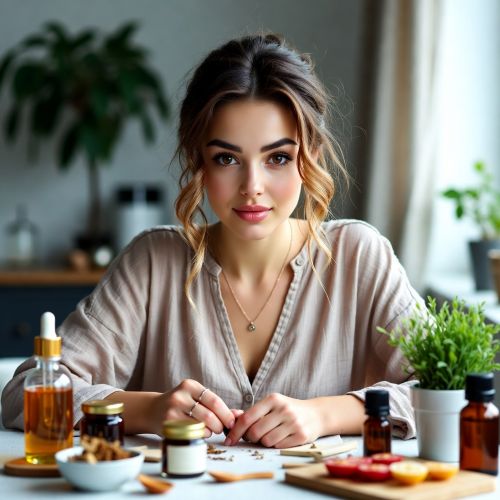 Plant extracts in cosmetics how to choose and use them is a fundamental topic for anyone transitioning from mass market beauty products to high quality artisanal skincare. Botanical extracts are concentrated substances obtained from plant tissues through various extraction methods such as maceration distillation or supercritical fluid extraction. These ingredients serve as the soul of a cosmetic formula providing vitamins antioxidants and minerals that synthetic alternatives often lack.
The use of plant extracts allows for a targeted approach to skin health. Whether you are dealing with inflammation hyperpigmentation or loss of elasticity there is a botanical extract specifically suited for your needs. In this guide we will explore the different types of extracts the technical rules for their application and how to formulate professional grade products at home.
Understanding Different Types of Botanical Extracts
To choose the right extract you must first understand the carrier liquid used during the extraction process as this determines how the ingredient will behave in your formula.
CO2 extracts are the gold standard of modern cosmetology. They are obtained using pressurized carbon dioxide resulting in a pure potent substance that contains the full spectrum of the plant beneficial properties without any solvent residue.
Glycerites or glycerin extracts are water soluble and provide additional humectant properties. They are excellent for serums and toners but must be used carefully in products containing oil to avoid separation.
Oil extracts or macerates are made by infusing plants in base oils like sunflower or jojoba. These are ideal for anhydrous products like body oils or balms where water is not present.
Alcohol extracts or tinctures are powerful but can be drying. They are primarily used in small percentages as preservatives or in products designed for very oily skin types.
Advantages of Handmade Botanical Cosmetics Over Industrial Analogs
Industrial skincare products often utilize plant extracts in microscopic quantities primarily for marketing purposes. This is known as label dressing where the extract is listed at the very end of the ingredient list far below the effective concentration.
By formulating your own products you can use the maximum recommended dosage usually between one and five percent ensuring that your skin actually receives the therapeutic benefits of the herbs. Furthermore handmade products are free from synthetic fragrances artificial dyes and harsh parabens that are used by large corporations to extend shelf life for years. Freshly made botanical cosmetics contain active live molecules that are much more biocompatible with human skin cells.
Technical Nuances of Using Extracts in Formulations
Working with botanical extracts requires strict adherence to temperature and dosage rules. Most plant compounds are thermo-sensitive meaning high heat will destroy their chemical structure and render them useless. Always introduce your extracts during the cooling phase of an emulsion once the temperature has dropped to room temperature or is just slightly warm to the touch.
The dosage must also be precise. Using too much of an extract can cause skin irritation or destabilize the emulsion. It is essential to use high precision digital scales to measure your ingredients in grams rather than drops to ensure consistency across batches.
Recipe One Calming Herbal Toner for Sensitive Skin
This toner uses water soluble extracts to soothe redness and balance the skin after cleansing.
Ingredients Ninety milliliters of chamomile hydrosol five milliliters of glycerin extract of calendula four milliliters of aloe vera concentrate and one milliliter of a natural preservative.
Step one Pour the chamomile hydrosol into a sterilized glass container. Step two Add the calendula glycerite slowly while stirring with a glass rod to ensure it dissolves completely. Step three Incorporate the aloe vera concentrate which acts as a powerful anti inflammatory agent. Step four Add the natural preservative to prevent the growth of mold or bacteria in the water base. Step five Test the acidity of the toner with a pH strip ensuring it falls between five and five point five. Step six Transfer the liquid into a dark glass spray bottle and store in a cool dry place.
Recipe Two Regenerating Serum with CO2 Extracts
A potent oil based serum designed to fight oxidative stress and improve skin texture.
Ingredients Twenty milliliters of squalane ten milliliters of rosehip oil zero point five grams of sea buckthorn CO2 extract and two drops of Vitamin E.
Step one Combine the squalane and rosehip oil in a small glass beaker. Step two Add the sea buckthorn CO2 extract which will give the serum a rich orange tint. Step three Gently stir the mixture for at least two minutes until the CO2 extract is fully integrated into the base oils. Step four Add the Vitamin E to act as an antioxidant to prevent the rosehip oil from oxidizing. Step five Pour the serum into a small glass dropper bottle. Step six Apply three drops to the face in the evening after your water based moisturizer to seal in hydration.
Recipe Three Nourishing Botanical Face Cream
An emulsion based cream that provides deep nourishment using oil and water soluble extracts.
Ingredients Thirty grams of a pre made neutral cream base two grams of green tea extract in glycerin one gram of pomegranate seed oil extract and one gram of panthenol.
Step one Place the neutral cream base into a clean bowl. Step two In a separate small container mix the green tea extract and panthenol together. Step three Slowly fold the water soluble mixture into the cream base using a small spatula until the texture is smooth. Step four Add the pomegranate seed oil extract and continue stirring until no oil streaks are visible on the surface. Step five Ensure the cream is whipped to a consistent texture and has a uniform color. Step six Transfer the finished cream into a sterilized jar and label with the date of production.
Recommendations for Professional Use and Storage
To maximize the efficacy of your botanical creations you must prioritize stability. Plant extracts are highly sensitive to light and oxygen. Always use dark amber or cobalt blue glass containers to protect the contents from ultraviolet rays which can degrade the active plant metabolites.

Storage should be in a cool environment. While a dedicated cosmetic refrigerator is ideal a dark cupboard away from the steam of the bathroom is also sufficient. Always check for changes in the scent or color of your products as these are the first indicators that the plant extracts have begun to break down.
When using a new extract for the first time always perform a patch test on the inner forearm for twenty four hours. Natural plant compounds can be very powerful and individuals with certain allergies may react to specific botanical families. By using these extracts correctly you unlock the full healing potential of nature in your daily beauty routine.


Cosmetic ingredients and professional formulation blog
This section features expert materials on modern cosmetic actives. We cover peptides, polynucleotides PDRN, different forms of hyaluronic acid, retinoids, ceramides and other key components.
Special focus is given to active stability, ingredient compatibility and correct incorporation into formulas. You will find practical guides on working with anti-age actives, moisturizing complexes and barrier repair ingredients.
We examine how to properly combine myorelaxants with peptides, common mistakes when using unstable vitamin C forms and ways to improve the performance of moisturizing actives.
Separate materials are dedicated to base oils, extracts, emulsifiers and supporting ingredients. This helps create stable and effective formulas for both professional and home cosmetics.
The blog regularly publishes reviews of trending actives, comparisons of similar ingredients and step-by-step formulation recommendations. The content is aimed at formulators, technologists and anyone seriously involved in creating cosmetic products.
Why this blog is useful
Here you will find practical data on eye area care actives, lifting systems and ingredients that improve skin firmness and tone. We rely on real formulation experience and address the actual challenges that arise during product development.
You can also explore materials on skin protection and repair, depigmentation and anti-inflammatory actives. This approach supports a more systematic selection of ingredients.
FAQ
What topics are covered most often
The blog focuses on peptides, PDRN, hyaluronic acid of different molecular weights, retinoids, ceramides and their compatibility rules.
Are there practical recommendations on how to incorporate actives
Yes, most articles include practical notes on pH stability, incorporation temperature and common formulation mistakes.
Is the content only for professionals
The materials are useful both for formulators and technologists and for those who create cosmetics for personal use and want to understand how modern ingredients work.
Where can I go directly to the ingredients
All key actives are collected in the Actives section, while base components are available in base oils and related categories.



