-
 DIY: Video master classes
-
 Aromatherapy
-
 Felting master classes
-
 Eating at home
-
 DIY cosmetics for children
-
 Cooking recipes
-
 Detergents, cleaning products with your own hands
-
 Soap making as a business
-
 Natural cosmetics. Raw materials for cosmetics and soap.
-
 Natural oils in cosmetics
-
 News
-
 Recipes for balms and conditioners
-
 Bath Bomb Recipes
-
 Cream recipes. Cream making.
-
 Lotion recipes. Gel recipes.
-
 Mask recipes
-
 Soap recipes. Base soap. Soap from scratch.
-
 Recipes for all occasions
-
 Natural shampoo recipes
-
 Healthy Nutrition Recipes
-
 Scrub recipes. Massage tiles. Ubtan
-
 DIY candles
-
 Reference materials, questions, tips
-
 Startup - soap production
-
 Hair care. Tips, recipes
-
 Facial skin care. Cleansers.
-
 Body care. Tips, recipes
-
 Photo Reviews
-
 Chocolate Handmade


Is it possible to do peelings in the summer - rules, assets and a safe recipe
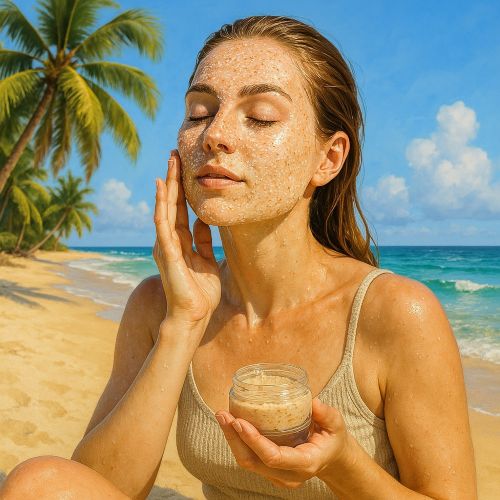 The arrival of summer often brings a dilemma for skincare enthusiasts: can we continue our beloved exfoliation routines, particularly chemical peels, under the intense sun? The answer isn't a simple yes or no. While traditional, aggressive peels can increase sun sensitivity and the risk of hyperpigmentation during summer, gentle exfoliation with the right approach and ingredients is not only possible but can also be beneficial for maintaining healthy, radiant skin. This article delves into the rules, safe active ingredients, and provides a gentle DIY peeling recipe perfect for the summer months.
Understanding the Concerns Around Summer Peeling
The primary concern with peeling in the summer is the increased risk of sun sensitivity. Exfoliating removes the outer layer of dead skin cells, which, while beneficial for revealing fresh skin, also makes the underlying layers more vulnerable to UV radiation. This heightened sensitivity can lead to sunburn, post-inflammatory hyperpigmentation (PIH), and other sun-related damage. Therefore, a cautious and informed approach is crucial.
Essential Rules for Safe Summer Peeling
- Prioritize Sun Protection: This is non-negotiable. Broad-spectrum sunscreen with a high SPF (30 or higher) must be applied diligently every morning and reapplied throughout the day, even on cloudy days.
- Choose Gentle Exfoliants: Opt for milder acids like lactic acid, mandelic acid, or fruit enzymes, which exfoliate more superficially and are less likely to cause significant irritation. Avoid strong AHAs (glycolic acid) and BHAs (salicylic acid) at higher concentrations.
- Lower the Frequency: Reduce the frequency of your peels compared to the cooler months. Once a week or even bi-weekly might be sufficient.
- Nighttime Application: Always perform your peeling routine in the evening to minimize sun exposure immediately after exfoliation.
- Listen to Your Skin: Pay close attention to how your skin reacts. If you experience any excessive redness, irritation, or peeling, reduce the frequency or discontinue use.
- Avoid Peeling Before Intense Sun Exposure: Do not perform a peel if you know you will be spending extended periods in direct sunlight in the following days.
- Hydrate and Moisturize: Support your skin barrier by using hydrating serums and a good moisturizer after peeling.
Safe Active Ingredients for Summer Peeling
1. Lactic Acid
A milder AHA derived from milk, lactic acid exfoliates gently while also having hydrating properties. Its larger molecular size compared to glycolic acid means it penetrates the skin more slowly, reducing the risk of irritation.
- Benefits: Gentle exfoliation, improves skin texture, hydrates, stimulates collagen production, less irritating than glycolic acid.
- Summer Suitability: Well-suited for summer due to its gentler nature and hydrating benefits.
2. Mandelic Acid
Derived from bitter almonds, mandelic acid is another gentle AHA with a larger molecular size. It's particularly beneficial for acne-prone and sensitive skin and has shown promise in treating hyperpigmentation.
- Benefits: Gentle exfoliation, improves skin tone and texture, helps with acne, addresses hyperpigmentation, less irritating.
- Summer Suitability: A good option for summer due to its mildness and potential to address summer-related skin concerns like mild breakouts.
3. Fruit Enzymes (e.g., Papain, Bromelain)
These natural enzymes derived from fruits like papaya and pineapple work by gently dissolving the protein bonds between dead skin cells. They offer a very mild form of exfoliation with minimal risk of irritation.
- Benefits: Very gentle exfoliation, brightens the skin, improves skin texture, suitable for sensitive skin.
- Summer Suitability: Excellent choice for summer due to their extremely gentle action.
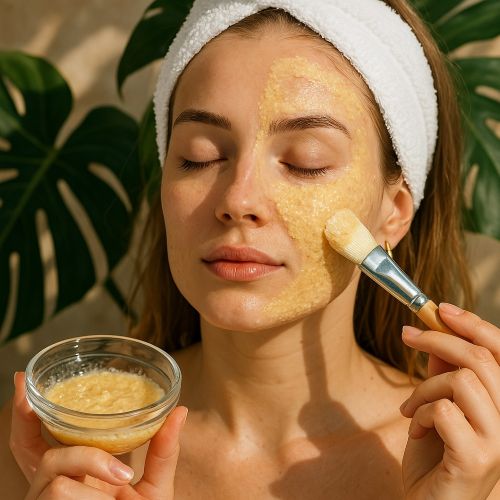
DIY Gentle Summer Peeling Recipe: Papaya & Honey Mask
This homemade mask utilizes the natural enzymatic exfoliating properties of papaya combined with the hydrating and antibacterial benefits of honey. It's a mild and safe way to refresh your skin during the summer.
Ingredients:
- Ripe Papaya: 2 tablespoons, mashed
- Raw Honey: 1 tablespoon
- Optional: Lemon Juice: 1/2 teaspoon (use with caution and avoid if you have sensitive skin)
Preparation:
- In a clean bowl, mash the ripe papaya until it forms a smooth pulp.
- Add the raw honey to the mashed papaya and mix well until you have a consistent paste.
- If using, add the lemon juice and mix thoroughly. Lemon juice can increase sun sensitivity, so use sparingly and only if your skin tolerates it well. Skip this ingredient if you have sensitive skin or plan on sun exposure soon after.
Application:
- Cleanse your face with a gentle cleanser and pat it dry.
- Apply the papaya and honey mask evenly over your face, avoiding the eye area and lips.
- Leave the mask on for 10-15 minutes.
- Rinse thoroughly with lukewarm water and gently pat your skin dry.
- Follow with a hydrating serum and a broad-spectrum sunscreen with a high SPF.
Storage:
This DIY mask is best used immediately. Due to the fresh ingredients, it is not recommended to store leftovers.
Advantages of This DIY Gentle Peel Over Industrial Analogues
- Natural and Gentle: This recipe uses natural enzymes that provide a very mild form of exfoliation, minimizing the risk of irritation compared to stronger chemical peels found in some industrial products.
- Hydrating and Nourishing: Honey is a natural humectant, drawing moisture into the skin, and papaya contains vitamins and antioxidants that nourish the skin.
- Customizable: You control the ingredients and can omit lemon juice for a gentler version suitable for sensitive skin.
- Cost-Effective: The ingredients are readily available and often more affordable than specialized industrial peeling products.
- Fresh and Preservative-Free: You know exactly what you're putting on your skin, without worrying about harsh chemicals or artificial preservatives.
Important Considerations and Recommendations
- Sunscreen is Key: We cannot stress this enough. Consistent and diligent sunscreen application is paramount when performing any form of exfoliation, especially during summer.
- Patch Test: Always perform a patch test on a small area of your skin before applying any homemade mask or peel to your entire face to check for any adverse reactions.
- Listen to Your Skin: If you experience any discomfort or irritation, discontinue use immediately.
- Consult a Dermatologist: If you have any pre-existing skin conditions or concerns, it's always best to consult a dermatologist before incorporating any new exfoliating treatments into your routine.
Summer doesn't have to mean abandoning exfoliation. By understanding the risks, adhering to strict sun protection, choosing gentle actives, and opting for DIY recipes like the papaya and honey mask, you can safely maintain smooth, radiant skin throughout the sunny season. Remember, consistency and listening to your skin are the keys to successful summer skincare.


Cosmetic ingredients and professional formulation blog
This section features expert materials on modern cosmetic actives. We cover peptides, polynucleotides PDRN, different forms of hyaluronic acid, retinoids, ceramides and other key components.
Special focus is given to active stability, ingredient compatibility and correct incorporation into formulas. You will find practical guides on working with anti-age actives, moisturizing complexes and barrier repair ingredients.
We examine how to properly combine myorelaxants with peptides, common mistakes when using unstable vitamin C forms and ways to improve the performance of moisturizing actives.
Separate materials are dedicated to base oils, extracts, emulsifiers and supporting ingredients. This helps create stable and effective formulas for both professional and home cosmetics.
The blog regularly publishes reviews of trending actives, comparisons of similar ingredients and step-by-step formulation recommendations. The content is aimed at formulators, technologists and anyone seriously involved in creating cosmetic products.
Why this blog is useful
Here you will find practical data on eye area care actives, lifting systems and ingredients that improve skin firmness and tone. We rely on real formulation experience and address the actual challenges that arise during product development.
You can also explore materials on skin protection and repair, depigmentation and anti-inflammatory actives. This approach supports a more systematic selection of ingredients.
FAQ
What topics are covered most often
The blog focuses on peptides, PDRN, hyaluronic acid of different molecular weights, retinoids, ceramides and their compatibility rules.
Are there practical recommendations on how to incorporate actives
Yes, most articles include practical notes on pH stability, incorporation temperature and common formulation mistakes.
Is the content only for professionals
The materials are useful both for formulators and technologists and for those who create cosmetics for personal use and want to understand how modern ingredients work.
Where can I go directly to the ingredients
All key actives are collected in the Actives section, while base components are available in base oils and related categories.



