-
 DIY: Video master classes
-
 Aromatherapy
-
 Felting master classes
-
 Eating at home
-
 DIY cosmetics for children
-
 Cooking recipes
-
 Detergents, cleaning products with your own hands
-
 Soap making as a business
-
 Natural cosmetics. Raw materials for cosmetics and soap.
-
 Natural oils in cosmetics
-
 News
-
 Recipes for balms and conditioners
-
 Bath Bomb Recipes
-
 Cream recipes. Cream making.
-
 Lotion recipes. Gel recipes.
-
 Mask recipes
-
 Soap recipes. Base soap. Soap from scratch.
-
 Recipes for all occasions
-
 Natural shampoo recipes
-
 Healthy Nutrition Recipes
-
 Scrub recipes. Massage tiles. Ubtan
-
 DIY candles
-
 Reference materials, questions, tips
-
 Startup - soap production
-
 Hair care. Tips, recipes
-
 Facial skin care. Cleansers.
-
 Body care. Tips, recipes
-
 Photo Reviews
-
 Chocolate Handmade


Eye Skin Care: Which Active Ingredients and Peptides Provide Visible Results in 4–6 Weeks
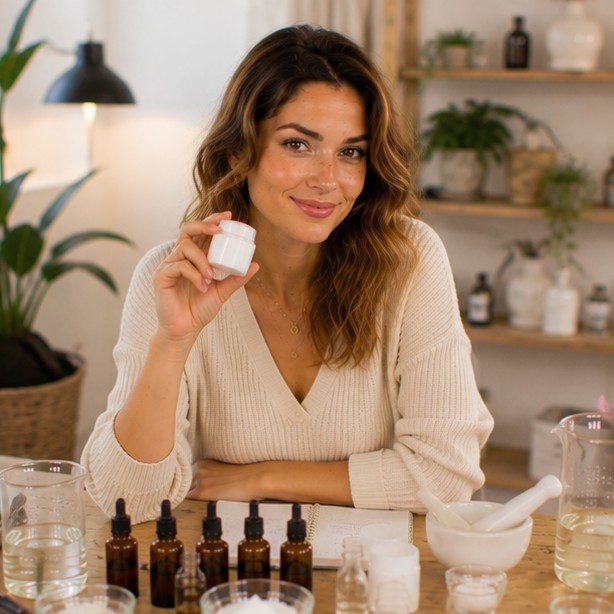 The skin surrounding the eyes is uniquely vulnerable compared to the rest of the facial epidermis. Characterized by an ultra-thin dermal layer measuring approximately zero point three millimeters, a relative absence of sebaceous glands, and an intricate network of superficial capillaries, the periorbital region is the first to show signs of premature aging, micro-circulatory congestion, and structural sagging. Constant involuntary dynamic movements from blinking and facial expressions place continuous stress on the underlying extracellular matrix.
Bioactive peptides serve as precision cell-signaling messengers capable of penetrating the superficial layers of delicate skin to initiate dermal restructuring. Matrix peptides communicate directly with fibroblasts to trigger the synthesis of collagen type one and type three, reinforcing structural density. Concurrently, specialized drainage peptides decrease capillary permeability and accelerate lymphatic circulation to resolve fluid retention and vascular dark circles. Clinical studies confirm that consistent, targeted application of these active peptides yields visible structural improvements, reduced puffiness, and diminished wrinkle depth within four to six weeks.
High-Performance Actives and Specialized Peptides for Eye Contour
Achieving comprehensive rejuvenation around the eyes requires a multi-faceted chemical approach combining structural repair, vascular regulation, and antioxidant protection.
Essential actives for periorbital skin formulation Active first Matrixyl synthe 6 is a powerful signaling peptide that regulates six major skin-rebuilding components, including collagen and hyaluronic acid, significantly smoothing crow's feet and fine lines. Active second Eyeseryl, or acetyl tetrapeptide-5, targets under-eye bags and fluid accumulation by inhibiting vascular permeability and preventing collagen glycation. Active third Haloxyl combines two bio-peptides with flavonoids to absorb and eliminate colored iron and bilirubin deposits originating from broken micro-capillaries, reducing persistent dark circles. Active fourth Anhydrous caffeine and troxerutin work in synergy with bio-peptides to stimulate micro-circulation, constrict swollen capillaries, and rapidly reduce periocular swelling.
Formulating Rules and Ocular pH Compatibility Standards
Developing formulations for the delicate eye contour demands strict technical precision to ensure maximum bioactivity while preventing tissue irritation.
Ocular pH Alignment The natural pH of human tear fluid and periorbital tissue ranges between six point five and seven point two. Formulating eye care products below pH six point zero causes stinging, lacrimation, and conjunctival redness. Target a strict pH balance of six point five to seven point zero for maximum comfort.
Thermal Processing Thresholds Peptide molecules and botanical extracts undergo thermal denaturation when exposed to high heat. Always introduce active peptides, caffeine, troxerutin, and delicate preservatives into the cool-down phase at temperatures strictly below thirty degrees Celsius.
Active Ingredient Exclusions Avoid incorporating direct alpha hydroxy acids, beta hydroxy acids, high-dose retinoids, or unbuffered acidic vitamin C into eye formulas. These harsh ingredients disrupt delicate skin barrier function, degrade peptide chains, and trigger severe swelling or irritation around the eyes.
Advantages of Custom Home Formulations Over Mass-Market Products
Commercial eye creams often fall short of consumer expectations due to compromised active dosages and heavy, occlusive carriers. To extend product shelf life and reduce manufacturing costs, industrial products frequently contain minimal decorative amounts of peptides—often below zero point one percent—which is far below clinically effective levels. Furthermore, mass-market creams rely heavily on synthetic silicones, mineral oils, and acrylic thickeners. These ingredients create a temporary optical smoothing effect while forming an occlusive barrier that hampers deep dermal absorption of water-soluble peptides.
Custom small-batch formulation allows for the inclusion of premium bioactive peptides at maximum therapeutic concentrations ranging from three to five percent. By utilizing lightweight hydrosols, low molecular weight hyaluronic acid, and cold-pressed plant oils, custom formulas achieve deep dermal penetration, superior bioavailability, and genuine structural skin transformation within four to six weeks.
Laboratory Sanitation and Equipment Sterilization Protocol
Formulations applied near the eyes require uncompromising hygienic standards to prevent microbial contamination.
Sanitize your workspace completely using a broad-spectrum surface disinfectant. Wash your hands thoroughly with warm water and antibacterial soap, then put on sterile disposable gloves. Wash all glass beakers, glass stirring rods, digital scales, micro-pipettes, and airless pump containers. Rinse all equipment with distilled water to remove tap water minerals, then spray generously with seventy percent isopropyl alcohol. Allow all instruments to air-dry completely on clean paper towels before weighing ingredients.
Recipe First De-Puffing Eye Contour Gel with Eyeseryl and Caffeine
A fast-absorbing cooling gel designed to eliminate morning under-eye bags, reduce fluid retention, and refresh tired eyes.
Composition thirty-five milliliters cornflower hydrosol two milliliters Eyeseryl peptide solution zero point five grams anhydrous caffeine one milliliter low molecular weight hyaluronic acid solution zero point five grams xanthan gum clear one milliliter Geogard 221 eco preservative
Preparation Step first Thoroughly sanitize glass beakers, glass rod, digital scale, and an airless pump bottle with seventy percent isopropyl alcohol. Step second Measure thirty-five milliliters of cornflower hydrosol into a glass beaker and dissolve zero point five grams of anhydrous caffeine completely. Step third Add one milliliter of low molecular weight hyaluronic acid solution, then slowly sprinkle zero point five grams of xanthan gum clear over the liquid. Step fourth Allow the mixture to sit for fifteen minutes to hydrate, then stir with a glass rod into a smooth, transparent gel. Step fifth Verify that the gel temperature is strictly below thirty degrees Celsius, then stir in two milliliters of Eyeseryl peptide solution. Step sixth Add one milliliter of Geogard 221 eco preservative, mix continuously for two minutes, and adjust the pH to six point five using dilute sodium hydroxide solution if needed. Step seventh Transfer the de-puffing gel into your sanitized airless pump bottle.
Recipe Second Dark Circle Illuminating Serum with Haloxyl Peptide
A specialized capillary-strengthening fluid designed to lighten vascular dark circles, clear pigment deposits, and firm periocular skin.
Composition thirty-four milliliters distilled water two milliliters Haloxyl peptide complex one milliliter D-panthenol one milliliter low molecular weight hyaluronic acid solution zero point five grams xanthan gum clear one milliliter Euxyl K712 eco preservative
Preparation Step first Disinfect glass beakers, glass stirring rod, digital scale, and a dark glass dropper bottle using seventy percent isopropyl alcohol. Step second Measure thirty-four milliliters of distilled water at room temperature into a glass beaker and dissolve one milliliter of D-panthenol. Step third Stir in one milliliter of low molecular weight hyaluronic acid solution, then sprinkle zero point five grams of xanthan gum clear across the liquid. Step fourth Let the mixture hydrate for fifteen minutes before stirring into an even gel base. Step fifth Confirm the base temperature is below thirty degrees Celsius, then incorporate two milliliters of Haloxyl peptide complex. Step sixth Stir in one milliliter of Euxyl K712 eco preservative for two minutes and verify that the formulation pH measures exactly six point five. Step seventh Decant the illuminating serum into your sanitized dark glass dropper bottle.
Recipe Third Anti-Wrinkle Eye Fluid with Matrixyl Synthe 6 and Green Coffee Oil
A deeply nourishing yet lightweight emulsion engineered to stimulate collagen synthesis, rebuild dermal density, and smooth crow's feet.
Composition thirty milliliters rose hydrosol two milliliters Matrixyl synthe 6 peptide complex four milliliters green coffee seed oil two grams Olivem 1000 emulsifier one milliliter Sharomix EG10 eco preservative
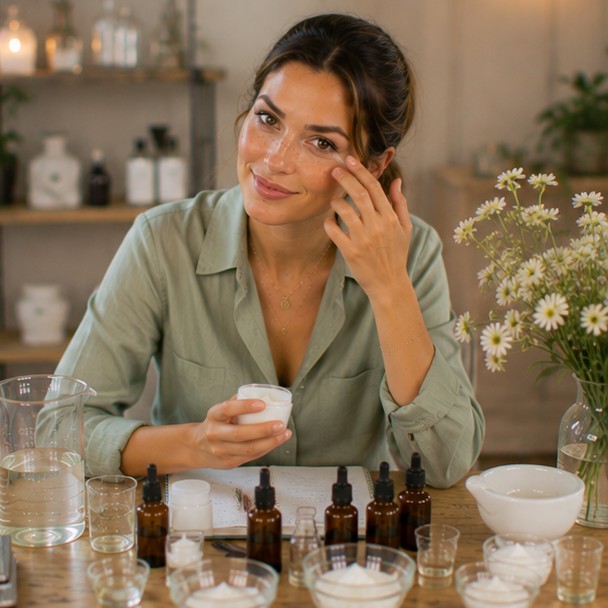
Preparation Step first Sanitize heat-safe glass beakers, mini whisk, digital scale, and an airless pump container with seventy percent isopropyl alcohol. Step second Measure thirty milliliters of rose hydrosol into the first heat-safe glass beaker. Step third Combine four milliliters of green coffee seed oil and two grams of Olivem 1000 emulsifier in the second heat-safe glass beaker. Step fourth Heat both beakers in a gentle water bath until the temperature reaches seventy degrees Celsius and the emulsifier melts completely. Step fifth Slowly pour the rose hydrosol into the oil mixture while whisking rapidly with a mini whisk until a smooth emulsion forms, then allow it to cool below thirty degrees Celsius. Step sixth Add two milliliters of Matrixyl synthe 6 peptide complex and one milliliter of Sharomix EG10 eco preservative, stirring thoroughly for two minutes. Step seventh Test the pH to confirm a reading of six point five, then transfer the eye fluid into your sanitized airless pump container.
Application Protocols and Clinical Regimen Guidelines
Proper application technique ensures optimal peptide absorption while protecting delicate ocular tissues from physical drag or swelling.
Apply your custom eye formulation twice daily, morning and evening, approximately forty minutes before bedtime. Dispense a small amount—no larger than a grain of rice for both eyes—onto the tip of your ring finger, which exerts the gentlest natural pressure. Lightly tap the product along the orbital bone, moving from the inner corner outward under the eyebrow on the upper orbital ridge, and from the outer corner inward along the lower orbital bone. Avoid applying formulas directly to the upper eyelids or close to the lash line to prevent product migration into the eyes. Consistent daily application produces visible firming, reduced swelling, and diminished wrinkle depth within four to six weeks.
Storage Conditions and Bioactive Shelf-Life Management
Specialized peptide eye formulas require optimal environmental controls to preserve fragile active molecules from thermal breakdown and contamination.
Store custom eye care preparations in airtight airless pump dispensers or dark amber glass containers to shield light-sensitive peptides and cold-pressed oils from light exposure and oxidation. Keep products in a cool, dark place at stable ambient temperatures between eight and fourteen degrees Celsius, such as the top shelf of a cosmetic refrigerator. The cool temperature provides an immediate vasoconstrictive, de-puffing benefit upon application. Avoid leaving formulations in warm, humid bathrooms or under direct sunlight. When formulated under clean conditions and preserved with broad-spectrum eco-certified preservatives, custom eye formulations maintain full potency and stability for six weeks.


Cosmetic ingredients and professional formulation blog
This section features expert materials on modern cosmetic actives. We cover peptides, polynucleotides PDRN, different forms of hyaluronic acid, retinoids, ceramides and other key components.
Special focus is given to active stability, ingredient compatibility and correct incorporation into formulas. You will find practical guides on working with anti-age actives, moisturizing complexes and barrier repair ingredients.
We examine how to properly combine myorelaxants with peptides, common mistakes when using unstable vitamin C forms and ways to improve the performance of moisturizing actives.
Separate materials are dedicated to base oils, extracts, emulsifiers and supporting ingredients. This helps create stable and effective formulas for both professional and home cosmetics.
The blog regularly publishes reviews of trending actives, comparisons of similar ingredients and step-by-step formulation recommendations. The content is aimed at formulators, technologists and anyone seriously involved in creating cosmetic products.
Why this blog is useful
Here you will find practical data on eye area care actives, lifting systems and ingredients that improve skin firmness and tone. We rely on real formulation experience and address the actual challenges that arise during product development.
You can also explore materials on skin protection and repair, depigmentation and anti-inflammatory actives. This approach supports a more systematic selection of ingredients.
FAQ
What topics are covered most often
The blog focuses on peptides, PDRN, hyaluronic acid of different molecular weights, retinoids, ceramides and their compatibility rules.
Are there practical recommendations on how to incorporate actives
Yes, most articles include practical notes on pH stability, incorporation temperature and common formulation mistakes.
Is the content only for professionals
The materials are useful both for formulators and technologists and for those who create cosmetics for personal use and want to understand how modern ingredients work.
Where can I go directly to the ingredients
All key actives are collected in the Actives section, while base components are available in base oils and related categories.



