-
 DIY: Video master classes
-
 Aromatherapy
-
 Felting master classes
-
 Eating at home
-
 DIY cosmetics for children
-
 Cooking recipes
-
 Detergents, cleaning products with your own hands
-
 Soap making as a business
-
 Natural cosmetics. Raw materials for cosmetics and soap.
-
 Natural oils in cosmetics
-
 News
-
 Recipes for balms and conditioners
-
 Bath Bomb Recipes
-
 Cream recipes. Cream making.
-
 Lotion recipes. Gel recipes.
-
 Mask recipes
-
 Soap recipes. Base soap. Soap from scratch.
-
 Recipes for all occasions
-
 Natural shampoo recipes
-
 Healthy Nutrition Recipes
-
 Scrub recipes. Massage tiles. Ubtan
-
 DIY candles
-
 Reference materials, questions, tips
-
 Startup - soap production
-
 Hair care. Tips, recipes
-
 Facial skin care. Cleansers.
-
 Body care. Tips, recipes
-
 Photo Reviews
-
 Chocolate Handmade


Top 5 super active components for cellulite that are added to cosmetics
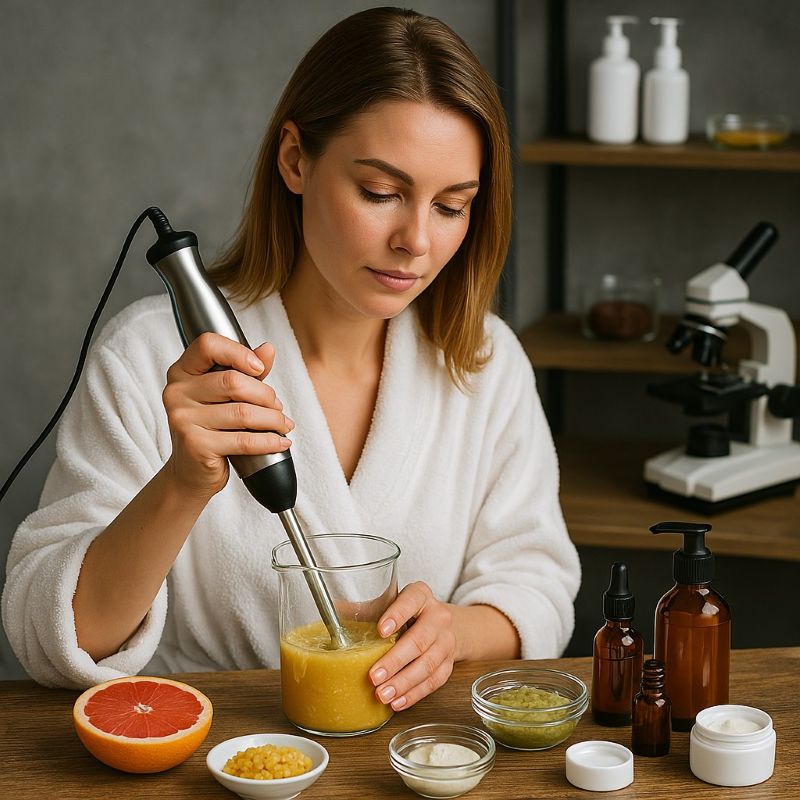 Cellulite, that dimpled "orange peel" texture on the skin, is a common concern for many. The cosmetic industry is flooded with products promising to smooth and firm, often relying on a handful of scientifically-backed active ingredients. This article delves into the top 5 super active components frequently incorporated into anti-cellulite cosmetics. More importantly, we will explore how you can harness the power of these ingredients in your own DIY formulations, highlighting the nuances of preparation, their beneficial properties, and the distinct advantages of creating your own targeted treatments.
The Power Players: Top 5 Anti-Cellulite Cosmetic Components
These five ingredients have demonstrated potential in addressing the various factors contributing to cellulite formation, such as impaired circulation, fat accumulation, and weakened connective tissue.
1. Caffeine: The Circulation Booster
Caffeine is a well-known stimulant that, when applied topically, can help to constrict blood vessels. This vasoconstriction can improve circulation, reduce fluid retention, and potentially break down fat cells (lipolysis). Its antioxidant properties also contribute to overall skin health.
2. Retinol (Vitamin A): The Skin Renewal Expert
Retinol, a derivative of Vitamin A, is celebrated for its ability to boost collagen production and promote skin cell turnover. By strengthening the skin's structure and improving elasticity, retinol can help to reduce the appearance of cellulite over time. It also aids in smoothing skin texture.
3. Centella Asiatica (Gotu Kola): The Connective Tissue Strengthener
Centella Asiatica extract is rich in triterpenoids, compounds that can stimulate collagen synthesis and improve the integrity of connective tissue. This can help to firm the skin and reduce the visibility of cellulite by strengthening the underlying support structure.
4. L-Carnitine: The Fat Metabolism Enhancer
L-Carnitine plays a crucial role in the transport of fatty acids into the mitochondria, where they are burned for energy. In topical applications, it is believed to help facilitate the breakdown of fat deposits beneath the skin, potentially reducing the appearance of cellulite.
5. Forskolin: The Lipolysis Activator
Forskolin, derived from the Coleus forskohlii plant, is known for its ability to activate adenylate cyclase, an enzyme involved in lipolysis. This activation can lead to the breakdown of triglycerides stored in fat cells, potentially contributing to a reduction in cellulite.
DIY Anti-Cellulite Recipes: Harnessing the Power at Home
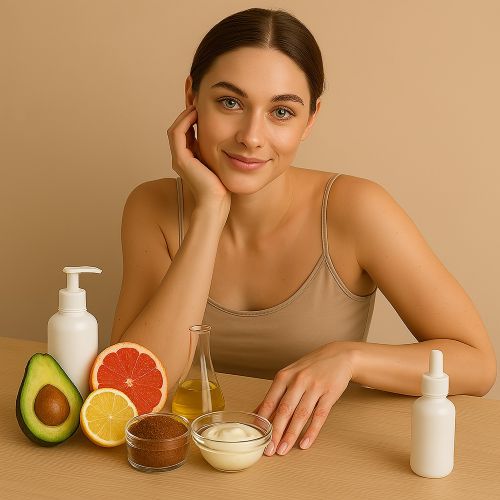
Creating your own anti-cellulite treatments allows for greater control over ingredients, concentration, and the avoidance of potentially irritating additives found in some commercial products. Here are three detailed recipes you can try:
Recipe 1: Invigorating Caffeine & Sea Salt Scrub
Ingredients:
- 1/2 cup ground coffee (fresh or used, dried) - *Source of caffeine for circulation boost.*
- 1/2 cup coarse sea salt or Epsom salt - *For exfoliation and to help draw out fluids.*
- 1/4 cup coconut oil or olive oil (cold-pressed) - *As a moisturizing base and carrier oil.*
- 5-10 drops of grapefruit essential oil (optional) - *Known for its potential to aid in lymphatic drainage and fat breakdown.*
Instructions:
- In a clean bowl, combine the ground coffee and sea salt. Mix well to ensure even distribution.
- Gradually add the coconut or olive oil, stirring until you achieve a thick, paste-like consistency. You may need slightly more or less oil depending on the texture you prefer.
- If using, add the grapefruit essential oil and stir thoroughly.
Recommendations for Use:
Apply a generous amount of the scrub to damp skin in circular motions, focusing on areas affected by cellulite. Massage for 5-10 minutes to exfoliate and stimulate circulation. Rinse thoroughly with warm water. Use 2-3 times per week for best results. Follow with a moisturizing lotion or oil.
Storage:
Store in an airtight container in a cool, dry place for up to two weeks. If using fresh ingredients, it's best to use within one week and consider storing in the refrigerator to prevent spoilage.
Advantages over Industrial Analogues:
- Freshness: You control the quality and freshness of the ingredients.
- Customization: You can adjust the texture and add essential oils based on your preferences and skin needs.
- Cost-Effective: Often significantly cheaper than pre-made scrubs.
- No Harsh Additives: Avoidance of synthetic fragrances, preservatives, and harsh chemicals.
Recipe 2: Firming Retinol & Green Tea Body Oil
Ingredients:
- 1/4 cup carrier oil (e.g., jojoba oil, almond oil, apricot kernel oil) - *Lightweight and easily absorbed.*
- 1/4 teaspoon retinol serum (ensure it's a concentration suitable for body use, start low and increase gradually if tolerated) - *For collagen stimulation and skin renewal.*
- 1 tablespoon strong green tea infusion (cooled and strained) - *Rich in antioxidants and may aid in fat breakdown.*
- 5 drops of cypress essential oil (optional) - *Known for its potential to improve circulation and reduce fluid retention.*
Instructions:
- In a clean, dark glass bottle, pour the carrier oil.
- Carefully add the retinol serum to the carrier oil and gently swirl to combine.
- Add the cooled and strained green tea infusion. Close the bottle tightly and shake well to emulsify (it may separate over time, so shake before each use).
- If using, add the cypress essential oil and shake again.
Recommendations for Use:
Apply a small amount to clean, dry skin after showering or bathing, focusing on cellulite-prone areas. Massage in upward circular motions until fully absorbed. Use once daily, preferably at night, as retinol can increase sun sensitivity. Always use sunscreen during the day when using retinol products. Start with a lower frequency (e.g., 2-3 times per week) to assess skin tolerance and gradually increase. Avoid use on broken or irritated skin.
Storage:
Store in a dark, airtight glass bottle in a cool, dry place away from direct sunlight. Use within 1-2 months.
Advantages over Industrial Analogues:
- Potency Control: You can adjust the concentration of retinol (with caution and proper research).
- Natural Oils: Choice of high-quality, natural carrier oils without synthetic emollients.
- Freshness of Actives: Ensures the retinol and antioxidants from green tea are as potent as possible.
- Reduced Irritants: Avoidance of potential irritants and unnecessary additives.
Recipe 3: Warming L-Carnitine & Ginger Massage Cream
Ingredients:
- 1/2 cup unscented natural body cream base (e.g., shea butter or cocoa butter based) - *Provides a rich and moisturizing base.*
- 1/4 teaspoon L-Carnitine powder (pharmaceutical grade) - *To aid in fat metabolism.*
- 1 teaspoon freshly grated ginger (infused in a small amount of warm oil and strained, or use ginger essential oil - 3-5 drops) - *For warming sensation and potential circulation boost.*
- 2 tablespoons aloe vera gel - *Soothing and hydrating.*
Instructions:
- If using fresh ginger, gently heat a tablespoon of your chosen carrier oil (like almond or jojoba) and add the grated ginger. Let it steep for about 30 minutes, then strain the oil. Allow it to cool. If using ginger essential oil, skip this step.
- In a clean bowl, combine the unscented body cream base and aloe vera gel. Mix well until smooth.
- Gradually add the L-Carnitine powder, mixing thoroughly to ensure it dissolves into the cream.
- Stir in the infused ginger oil (or ginger essential oil) until well incorporated.
Recommendations for Use:
Apply a generous amount to areas affected by cellulite and massage vigorously in upward and circular motions until fully absorbed. The ginger may create a warming sensation. Use once or twice daily. Wash hands thoroughly after application.
Storage:
Store in an airtight container at room temperature for up to one week due to the fresh ginger component (if used). If using ginger essential oil, it may last up to two weeks. Consider storing in the refrigerator to extend shelf life.
Advantages over Industrial Analogues:
- Targeted Action: Higher concentration of the active ingredient (L-Carnitine) compared to some diluted commercial products.
- Natural Warmth: Benefit from the natural warming properties of ginger without synthetic heat-inducing agents.
- Skin-Soothing Base: Control over the moisturizing base, ensuring it's suitable for your skin type.
- Avoidance of Fillers: No unnecessary fillers or synthetic ingredients.
Important Considerations for DIY Cosmetics
- Patch Test: Always perform a patch test on a small area of skin before applying any homemade product liberally, especially if you have sensitive skin or are using new ingredients.
- Hygiene: Use clean tools and containers when preparing your DIY cosmetics to prevent contamination.
- Ingredient Quality: Opt for high-quality, pure ingredients whenever possible. For L-Carnitine, ensure it is pharmaceutical grade for topical use.
- Concentration: Research safe and effective concentrations for each active ingredient. Start with lower concentrations and gradually increase if tolerated.
- Patience and Consistency: Results from any cellulite treatment, whether commercial or homemade, take time and consistent application.
- Complementary Approaches: Remember that topical treatments are most effective when combined with a healthy diet, regular exercise, and adequate hydration.
Conclusion: Empowering Your Skincare Routine
By understanding the science behind effective anti-cellulite cosmetic ingredients and embracing the power of DIY formulations, you can take a more active and informed role in your skincare journey. Creating your own targeted treatments allows for customization, control over ingredients, and the potential for more potent and natural solutions compared to some industrial analogues. While consistency and a holistic approach are key, these top 5 super active components offer a solid foundation for tackling cellulite and achieving smoother, healthier-looking skin.


Cosmetic ingredients and professional formulation blog
This section features expert materials on modern cosmetic actives. We cover peptides, polynucleotides PDRN, different forms of hyaluronic acid, retinoids, ceramides and other key components.
Special focus is given to active stability, ingredient compatibility and correct incorporation into formulas. You will find practical guides on working with anti-age actives, moisturizing complexes and barrier repair ingredients.
We examine how to properly combine myorelaxants with peptides, common mistakes when using unstable vitamin C forms and ways to improve the performance of moisturizing actives.
Separate materials are dedicated to base oils, extracts, emulsifiers and supporting ingredients. This helps create stable and effective formulas for both professional and home cosmetics.
The blog regularly publishes reviews of trending actives, comparisons of similar ingredients and step-by-step formulation recommendations. The content is aimed at formulators, technologists and anyone seriously involved in creating cosmetic products.
Why this blog is useful
Here you will find practical data on eye area care actives, lifting systems and ingredients that improve skin firmness and tone. We rely on real formulation experience and address the actual challenges that arise during product development.
You can also explore materials on skin protection and repair, depigmentation and anti-inflammatory actives. This approach supports a more systematic selection of ingredients.
FAQ
What topics are covered most often
The blog focuses on peptides, PDRN, hyaluronic acid of different molecular weights, retinoids, ceramides and their compatibility rules.
Are there practical recommendations on how to incorporate actives
Yes, most articles include practical notes on pH stability, incorporation temperature and common formulation mistakes.
Is the content only for professionals
The materials are useful both for formulators and technologists and for those who create cosmetics for personal use and want to understand how modern ingredients work.
Where can I go directly to the ingredients
All key actives are collected in the Actives section, while base components are available in base oils and related categories.



