-
 DIY: Video master classes
-
 Aromatherapy
-
 Felting master classes
-
 Eating at home
-
 DIY cosmetics for children
-
 Cooking recipes
-
 Detergents, cleaning products with your own hands
-
 Soap making as a business
-
 Natural cosmetics. Raw materials for cosmetics and soap.
-
 Natural oils in cosmetics
-
 News
-
 Recipes for balms and conditioners
-
 Bath Bomb Recipes
-
 Cream recipes. Cream making.
-
 Lotion recipes. Gel recipes.
-
 Mask recipes
-
 Soap recipes. Base soap. Soap from scratch.
-
 Recipes for all occasions
-
 Natural shampoo recipes
-
 Healthy Nutrition Recipes
-
 Scrub recipes. Massage tiles. Ubtan
-
 DIY candles
-
 Reference materials, questions, tips
-
 Startup - soap production
-
 Hair care. Tips, recipes
-
 Facial skin care. Cleansers.
-
 Body care. Tips, recipes
-
 Photo Reviews
-
 Chocolate Handmade


Tonic with postbiotics and niacinamide
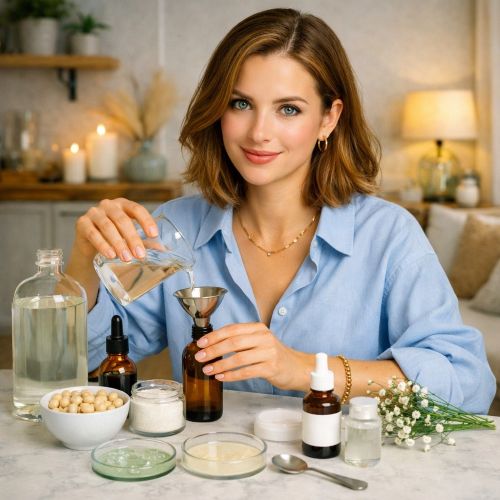 Tonic with postbiotics and niacinamide represents a sophisticated approach to modern skincare where the focus shifts from aggressive cleansing to biological support. In an era of over exfoliation and environmental stress the skin natural defense system often becomes compromised. Postbiotics which are the non viable bacterial products or metabolic byproducts of probiotics provide the necessary signals to calm inflammation and strengthen the skin immunity. When paired with niacinamide also known as vitamin B3 this combination creates a powerhouse formula that addresses texture tone and resilience simultaneously.
In this professional article we will explore the molecular benefits of these ingredients provide three laboratory grade recipes and discuss the technical nuances required to create a stable high performance tonic at home.
Beneficial Properties of Postbiotics and Niacinamide for the Epidermis
The primary role of postbiotics in a tonic is to restore the skin microbiome. Unlike live probiotics postbiotics are stable and safer for topical application in water based formulas. They contain enzymes peptides and organic acids that mimic the skin natural moisturizing factors. These components help the skin recognize and repel pathogenic bacteria while promoting the growth of beneficial flora.
Niacinamide acts as a multifunctional physiological agent. It is clinically proven to increase the synthesis of ceramides and free fatty acids in the stratum corneum which prevents transepidermal water loss. Furthermore niacinamide regulates sebum production and inhibits the transfer of pigment to skin cells helping to fade dark spots and reduce redness. The synergy of these two actives results in a complexion that is not only hydrated but biologically fortified against external irritants.
Technical Nuances of Preparation for Stable Bioactive Tonics
Creating a professional tonic involves more than just mixing liquids. The most critical nuance is the management of pH levels. Niacinamide is most stable at a pH of around six point zero. If the environment becomes too acidic the niacinamide can undergo hydrolysis and convert into nicotinic acid which causes a distinct flushing or stinging sensation on the skin. Therefore maintaining a pH between five point five and six point zero is essential for both the efficacy of the vitamin and the health of the microbiome.
Another preparation nuance involves the introduction of postbiotics. Since these are biological lysates they should never be added to hot liquids. High heat can denature the delicate peptides and enzymes that provide the skin with its restorative signals. All active ingredients must be incorporated at room temperature. Using high purity distilled water or botanical hydrosols ensures that no heavy metals or chlorine interfere with the delicate balance of the bacterial lysates.
Advantages of Custom Tonics Over Industrial Mass Market Analogs
Most industrial tonics found in retail stores contain high percentages of solvents synthetic fragrances and cheap surfactants that can actually strip the skin barrier. While they may contain niacinamide on the label the concentration is often too low to be therapeutically effective. By formulating your own tonic you can ensure a professional concentration of niacinamide between three and five percent which is the range used in clinical studies for visible results.
Custom tonics also allow for the exclusion of aggressive preservatives like parabens or formaldehyde releasers which can be toxic to the beneficial bacteria living on your skin. By using mild organic acids or eco certified preservation systems you protect the product from spoilage without harming your skin delicate ecosystem. Additionally you can choose specific botanical hydrosols like rose or lavender as a base which adds therapeutic aromatherapy and antioxidant benefits that are usually missing from water based industrial products.
Recipe One Soothing Microbiome Softener for Sensitive Skin
This formula is designed to immediately calm reactive skin and provide a soft hydrated base for further skincare steps.
Composition Eighty milliliters lavender hydrosol Five grams niacinamide Five milliliters bifidobacterium lysate Two milliliters vegetable glycerin One milliliter d panthenol Eco certified preservative
Preparation Step one Sanitize all glass containers and stirring rods with seventy percent alcohol and allow to air dry completely. Step two Measure the lavender hydrosol and ensure it is at room temperature before adding other components. Step three Add the niacinamide powder to the hydrosol and stir until the liquid is perfectly clear and no particles remain. Step four Incorporate the d panthenol and vegetable glycerin to provide the skin with extra slip and humectant properties. Step five Gently stir in the bifidobacterium lysate ensuring it is distributed evenly throughout the solution. Step six Add the eco certified preservative and check the pH with a digital meter or high quality test strips to ensure it is near six point zero. Step seven Pour the finished tonic into a sterilized dark glass bottle with a fine mist sprayer.
Recipe Two Balancing Tonic for Oily and Acne Prone Skin
A targeted formula designed to regulate oil production and support the skin defense against acne causing bacteria.
Composition Seventy milliliters tea tree hydrosol Ten milliliters distilled water Four grams niacinamide Five milliliters lactobacillus ferment lysate Three milliliters zinc PCA solution One gram allantoin Preservative
Preparation Step one Prepare a sterile workspace and clean all measuring instruments. Step two Dissolve the allantoin in the distilled water first as it may require persistent stirring to fully integrate. Step three Add the tea tree hydrosol and the niacinamide powder to the water base stirring until dissolved. Step four Introduce the zinc PCA which works with niacinamide to control sebum and reduce the appearance of pores. Step five Incorporate the lactobacillus ferment lysate to help rebalance the flora on the skin surface. Step six Add the preservative and mix for two minutes to ensure the formula is fully protected from microbial growth. Step seven Store the balancing tonic in an opaque bottle to protect the botanical extracts from light.
Recipe Three Deep Hydration and Glow Antioxidant Mist
A lightweight refreshing mist that can be used throughout the day to replenish moisture and protect against urban pollution.
Composition Sixty milliliters rose hydrosol Twenty milliliters neroli hydrosol Three grams niacinamide Five milliliters postbiotic complex Two milliliters low molecular weight hyaluronic acid Preservative
Preparation Step one Sterilize your laboratory equipment and prepare the hydrosol blend. Step two Sprinkle the low molecular weight hyaluronic acid over the hydrosol surface and wait thirty minutes for it to hydrate and disappear. Step three Add the niacinamide and stir until the solution returns to a transparent state. Step four Introduce the postbiotic complex which provides an antioxidant boost and improves skin radiance. Step five Ensure all ingredients are thoroughly mixed at room temperature to maintain molecular integrity. Step six Add the preservative and verify that the pH remains in the skin friendly range of five point five. Step seven Package in a travel sized spray bottle for on the go hydration and refreshment.
Professional Recommendations for Application and Layering
A tonic with postbiotics and niacinamide is the crucial bridge between cleansing and moisturizing. To use it effectively apply the product twice daily after washing your face. Instead of using a cotton pad which can be abrasive and wasteful try the pressing method. Pour a small amount of the tonic into your palms and gently press it into your face neck and decolletage. This warmth from your hands helps the niacinamide and postbiotics absorb more effectively.
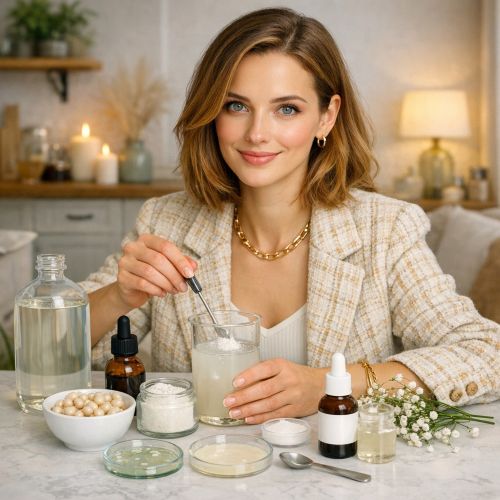
For those with severely dehydrated skin the seven skin method can be used where you apply the tonic in several thin layers allowing each to absorb for thirty seconds before the next. This creates a deep reservoir of hydration. This tonic is perfectly compatible with most serums but it is particularly effective when followed by a ceramide based cream or a hyaluronic acid serum. Avoid using this tonic in the same routine as high concentrations of pure l ascorbic acid to prevent the rare possibility of a niacin flush.
Detailed Guidelines for Storage and Product Stability
Because postbiotics and botanical hydrosols are biologically active they require specific storage conditions to remain effective. Handcrafted tonics should be kept in a cool dark place away from direct sunlight and humidity. Storing your tonic in the refrigerator is an excellent option especially for the soothing and glowing recipes as the cold temperature helps to constrict blood vessels and reduce puffiness upon application.
The shelf life of these professional custom tonics is typically three months when using a broad spectrum eco preservative. Always label your bottles with the date of manufacture. If you notice a change in the clarity of the tonic a sour odor or the appearance of sediment that does not disappear when shaken discard the product immediately. Using dark amber or blue glass containers significantly extends the lifespan of the niacinamide by protecting it from photodegradation. Proper hygiene during preparation and storage will ensure your skin receives the full biological benefits of this advanced formulation.


Cosmetic ingredients and professional formulation blog
This section features expert materials on modern cosmetic actives. We cover peptides, polynucleotides PDRN, different forms of hyaluronic acid, retinoids, ceramides and other key components.
Special focus is given to active stability, ingredient compatibility and correct incorporation into formulas. You will find practical guides on working with anti-age actives, moisturizing complexes and barrier repair ingredients.
We examine how to properly combine myorelaxants with peptides, common mistakes when using unstable vitamin C forms and ways to improve the performance of moisturizing actives.
Separate materials are dedicated to base oils, extracts, emulsifiers and supporting ingredients. This helps create stable and effective formulas for both professional and home cosmetics.
The blog regularly publishes reviews of trending actives, comparisons of similar ingredients and step-by-step formulation recommendations. The content is aimed at formulators, technologists and anyone seriously involved in creating cosmetic products.
Why this blog is useful
Here you will find practical data on eye area care actives, lifting systems and ingredients that improve skin firmness and tone. We rely on real formulation experience and address the actual challenges that arise during product development.
You can also explore materials on skin protection and repair, depigmentation and anti-inflammatory actives. This approach supports a more systematic selection of ingredients.
FAQ
What topics are covered most often
The blog focuses on peptides, PDRN, hyaluronic acid of different molecular weights, retinoids, ceramides and their compatibility rules.
Are there practical recommendations on how to incorporate actives
Yes, most articles include practical notes on pH stability, incorporation temperature and common formulation mistakes.
Is the content only for professionals
The materials are useful both for formulators and technologists and for those who create cosmetics for personal use and want to understand how modern ingredients work.
Where can I go directly to the ingredients
All key actives are collected in the Actives section, while base components are available in base oils and related categories.



