-
 DIY: Video master classes
-
 Aromatherapy
-
 Felting master classes
-
 Eating at home
-
 DIY cosmetics for children
-
 Cooking recipes
-
 Detergents, cleaning products with your own hands
-
 Soap making as a business
-
 Natural cosmetics. Raw materials for cosmetics and soap.
-
 Natural oils in cosmetics
-
 News
-
 Recipes for balms and conditioners
-
 Bath Bomb Recipes
-
 Cream recipes. Cream making.
-
 Lotion recipes. Gel recipes.
-
 Mask recipes
-
 Soap recipes. Base soap. Soap from scratch.
-
 Recipes for all occasions
-
 Natural shampoo recipes
-
 Healthy Nutrition Recipes
-
 Scrub recipes. Massage tiles. Ubtan
-
 DIY candles
-
 Reference materials, questions, tips
-
 Startup - soap production
-
 Hair care. Tips, recipes
-
 Facial skin care. Cleansers.
-
 Body care. Tips, recipes
-
 Photo Reviews
-
 Chocolate Handmade


Serum with tranexamic acid and alpha-arbutin
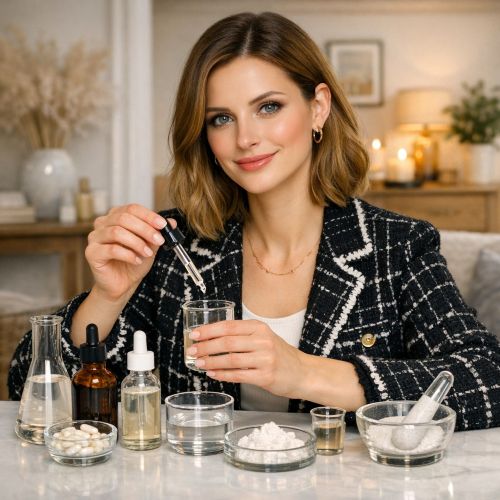 Serum with tranexamic acid and alpha arbutin has become the gold standard for individuals seeking a luminous and even skin tone. Hyperpigmentation including melasma post inflammatory erythema and sunspots remains one of the most challenging dermatological concerns to treat. While many single ingredient products exist the synergy between tranexamic acid and alpha arbutin offers a multi pathway approach to skin brightening that is both highly effective and gentle enough for sensitive skin types.
In this comprehensive guide we will explore the science behind these powerful depigmenting agents and provide three professional grade recipes. You will learn the technical nuances of formulating these actives to ensure stability and maximum biological activity.
The Biological Mechanism of Tranexamic Acid and Alpha Arbutin Synergy
To understand why a serum with tranexamic acid and alpha arbutin works so well one must look at how melanin is produced. Tranexamic acid is a lysine analog that traditionally was used in use to control bleeding. However in dermatology it has been discovered that it inhibits the plasminogen activator system. By doing so it disrupts the inflammatory signals that tell melanocytes to produce excess pigment especially after UV exposure or skin trauma.
Alpha arbutin is a superior brightening agent derived from the bearberry plant. It acts as a functional analog of hydroquinone but without the associated risks of toxicity or rebound pigmentation. It works by inhibiting tyrosinase the key enzyme responsible for the first steps of melanin synthesis. When these two molecules are combined they block the pigment process at both the signaling and the production stages. This results in faster fading of dark spots and a significant reduction in the formation of new ones.
Advantages of Custom Formulations Over Mass Market Products
Many industrial serums claiming to contain these actives often use them in sub therapeutic concentrations. In the mass market tranexamic acid is frequently included at less than one percent for marketing purposes. A professional custom formulation allows you to utilize a therapeutic range of two to three percent which is scientifically proven to yield visible results in skin remodeling.
Furthermore industrial products often contain high levels of penetration enhancers like denatured alcohol which can compromise the skin barrier and lead to further inflammation. Custom serums prioritize physiological bases such as botanical hydrosols and pure hyaluronic acid. By controlling the formulation you also eliminate the need for harsh synthetic fragrances and heavy silicones that can cause congestion in acne prone skin. A handmade professional serum ensures that every drop is packed with active ingredients rather than cheap fillers.
Technical Nuances of Preparation and Stability Control
Working with tranexamic acid and alpha arbutin requires precise attention to the chemical environment of the serum. Tranexamic acid is a crystalline powder that is readily soluble in water but it can be sensitive to dramatic shifts in pH. To maintain its stability and ensure it does not cause irritation the final pH of the serum should be balanced between five point zero and six point zero.
Alpha arbutin is highly sensitive to heat and oxidation. If the temperature during the formulation process exceeds forty degrees Celsius the molecule may degrade and lose its effectiveness. Therefore both actives must be introduced during the cool down phase after any thickening agents have been fully hydrated. Additionally because alpha arbutin can be prone to oxidation over time it is beneficial to include a small amount of a chelating agent or use high purity distilled water to prevent metal ions from catalyzing the degradation process.
Recipe One High Potency Depigmentation Concentrate
This intensive formula is designed for targeted treatment of stubborn dark spots and persistent melasma.
Composition Seventy milliliters rose hydrosol Three grams tranexamic acid Two grams alpha arbutin Five milliliters niacinamide solution One gram high molecular weight hyaluronic acid Eco friendly preservative
Preparation Step one Sanitize all laboratory glass and stirring tools with seventy percent isopropyl alcohol and allow them to air dry. Step two Combine the rose hydrosol and tranexamic acid in a beaker and stir until the liquid is perfectly clear. Step three Add the niacinamide solution to the mixture which will provide additional barrier support and anti inflammatory benefits. Step four Introduce the alpha arbutin powder and stir gently ensuring that the temperature of the liquid is at room temperature. Step five Slowly sprinkle the hyaluronic acid powder over the surface and leave it to hydrate for at least one hour until a thick smooth gel forms. Step six Once the gel is uniform incorporate the eco friendly preservative and mix for two minutes. Step seven Transfer the concentrate into an amber glass dropper bottle to protect the actives from light degradation.
Recipe Two Daily Brightening and Radiance Fluid
A lightweight serum optimized for daily use to maintain a clear complexion and prevent future UV induced spotting.
Composition Eighty milliliters distilled water Two grams tranexamic acid One gram alpha arbutin Five milliliters licorice root extract One gram d panthenol One gram xanthan gum Preservative
Preparation Step one Ensure all measurements are precise using a digital scale with zero point zero one gram accuracy. Step two Dissolve the tranexamic acid and d panthenol into the distilled water. Step three Add the licorice root extract which acts as a natural booster for the alpha arbutin brightening effect. Step four Stir in the alpha arbutin powder until it is completely dissolved without any visible crystals. Step five Use a high speed mixer to incorporate the xanthan gum which will create a stable fluid texture and prevent the serum from being too runny. Step six Add the preservative and test the pH to ensure it is around five point five for optimal skin compatibility. Step seven Package the fluid in a vacuum pump bottle to minimize exposure to air and maintain ingredient integrity.
Recipe Three Post Sun Recovery and Soothing Serum
Designed to be used after sun exposure to calm inflammation and proactively block the pigment response.
Composition Sixty milliliters lavender hydrosol One gram tranexamic acid One gram alpha arbutin Ten milliliters aloe vera gel Three milliliters vegetable glycerin One gram konjac gum Preservative
Preparation Step one Clean and disinfect your workspace and laboratory instruments. Step two Mix the lavender hydrosol with the vegetable glycerin and aloe vera gel until the mixture is uniform. Step three Dissolve the tranexamic acid and alpha arbutin into this soothing base. Step four Add the konjac gum which provides a silky skin feel and helps the serum glide easily over irritated areas. Step five Allow the mixture to stand for thirty minutes then stir again to ensure all gelling agents are fully hydrated. Step six Add the preservative as the final step and stir slowly to avoid creating excessive air bubbles. Step seven Store the finished serum in a cool dark place and use a pump dispenser for hygienic application.
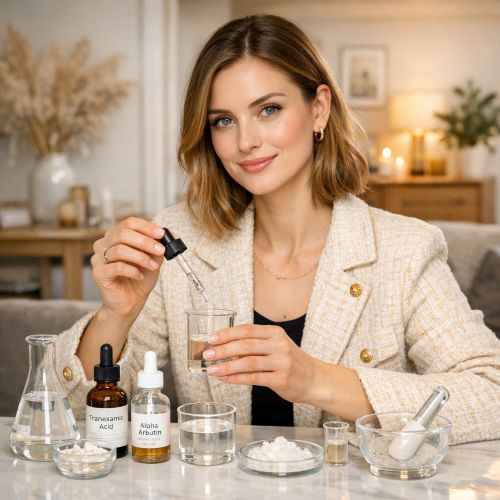
Professional Recommendations for Application and Routine Integration
To achieve the best results with a tranexamic acid and alpha arbutin serum consistency is the most important factor. The serum should be applied twice daily morning and evening to clean and slightly damp skin. Because these actives work on the cellular pathways of pigment production it typically takes eight to twelve weeks of continuous use to see the full transformation of the skin tone.
A non negotiable requirement for any brightening routine is the daily application of a broad spectrum sunscreen with an SPF of at least fifty. Without sun protection any pigment cleared by the serum will be quickly replaced as UV rays trigger the melanocytes. If you are using other actives like vitamin C or retinoids it is best to use the brightening serum as your first layer after toning. The order of application should always be from the thinnest to the thickest consistency to ensure maximum absorption.
Detailed Guidelines for Storage and Product Longevity
Professional handmade serums are more sensitive to environmental factors than industrial products because they lack heavy synthetic stabilizers. Always store your serum in a cool dark place. Heat and light are the primary enemies of alpha arbutin and can cause it to oxidize turning the serum a brown or yellowish color. If you notice a significant change in color or a sour odor the product has oxidized and should be discarded.
The shelf life for these custom formulations is generally three months when a high quality eco preservative is used. To maintain the hygiene of the product avoid touching the dropper tip directly to your face or hands during application. Using airless pump bottles is highly recommended as it prevents air from entering the container which significantly extends the life of the delicate actives. Always label your bottles with the date of manufacture to keep your skincare routine safe and effective.


Cosmetic ingredients and professional formulation blog
This section features expert materials on modern cosmetic actives. We cover peptides, polynucleotides PDRN, different forms of hyaluronic acid, retinoids, ceramides and other key components.
Special focus is given to active stability, ingredient compatibility and correct incorporation into formulas. You will find practical guides on working with anti-age actives, moisturizing complexes and barrier repair ingredients.
We examine how to properly combine myorelaxants with peptides, common mistakes when using unstable vitamin C forms and ways to improve the performance of moisturizing actives.
Separate materials are dedicated to base oils, extracts, emulsifiers and supporting ingredients. This helps create stable and effective formulas for both professional and home cosmetics.
The blog regularly publishes reviews of trending actives, comparisons of similar ingredients and step-by-step formulation recommendations. The content is aimed at formulators, technologists and anyone seriously involved in creating cosmetic products.
Why this blog is useful
Here you will find practical data on eye area care actives, lifting systems and ingredients that improve skin firmness and tone. We rely on real formulation experience and address the actual challenges that arise during product development.
You can also explore materials on skin protection and repair, depigmentation and anti-inflammatory actives. This approach supports a more systematic selection of ingredients.
FAQ
What topics are covered most often
The blog focuses on peptides, PDRN, hyaluronic acid of different molecular weights, retinoids, ceramides and their compatibility rules.
Are there practical recommendations on how to incorporate actives
Yes, most articles include practical notes on pH stability, incorporation temperature and common formulation mistakes.
Is the content only for professionals
The materials are useful both for formulators and technologists and for those who create cosmetics for personal use and want to understand how modern ingredients work.
Where can I go directly to the ingredients
All key actives are collected in the Actives section, while base components are available in base oils and related categories.



