-
 DIY: Video master classes
-
 Aromatherapy
-
 Felting master classes
-
 Eating at home
-
 DIY cosmetics for children
-
 Cooking recipes
-
 Detergents, cleaning products with your own hands
-
 Soap making as a business
-
 Natural cosmetics. Raw materials for cosmetics and soap.
-
 Natural oils in cosmetics
-
 News
-
 Recipes for balms and conditioners
-
 Bath Bomb Recipes
-
 Cream recipes. Cream making.
-
 Lotion recipes. Gel recipes.
-
 Mask recipes
-
 Soap recipes. Base soap. Soap from scratch.
-
 Recipes for all occasions
-
 Natural shampoo recipes
-
 Healthy Nutrition Recipes
-
 Scrub recipes. Massage tiles. Ubtan
-
 DIY candles
-
 Reference materials, questions, tips
-
 Startup - soap production
-
 Hair care. Tips, recipes
-
 Facial skin care. Cleansers.
-
 Body care. Tips, recipes
-
 Photo Reviews
-
 Chocolate Handmade


Serum with NAD+ booster and peptides
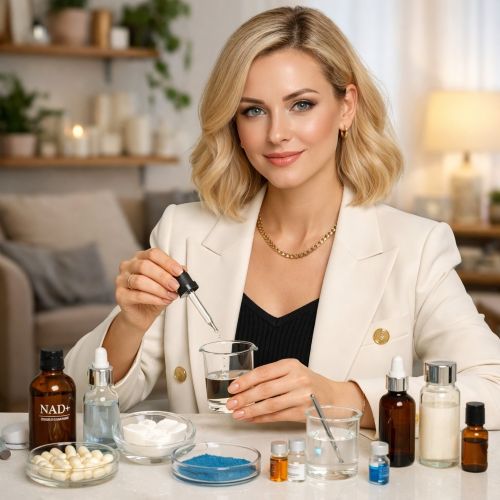 In the rapidly evolving world of aesthetic use and high end cosmetology the focus has shifted from simple hydration to cellular bio hacking. A serum with NAD+ boosters and peptides represents the pinnacle of this shift. Nicotinamide Adenine Dinucleotide or NAD+ is a critical coenzyme found in every living cell involved in energy metabolism and DNA repair. As we age our natural levels of NAD+ decline leading to reduced cellular energy and visible signs of aging. By combining NAD+ boosters like Nicotinamide Riboside or NMN with signaling peptides we can effectively stimulate the skin s youthful functions.
This professional article provides a deep dive into the molecular benefits of these compounds technical nuances of formulation and three precise recipes for creating advanced anti aging serums at home.
Beneficial Properties of NAD+ Boosters and Peptides for Dermal Integrity
The primary role of an NAD+ booster in a topical serum is to provide the precursors necessary for cells to regenerate their energy currency. High levels of NAD+ activate sirtuins which are often called longevity genes that protect the cell s DNA and promote cellular resilience against UV damage and pollution. This results in improved mitochondrial function within skin cells leading to a more vibrant and energized complexion.
Peptides act as the messengers in this biological equation. While NAD+ boosters provide the energy peptides provide the instructions. Signaling peptides can stimulate the production of collagen and elastin while neuropeptides help relax fine lines. The synergy between these two actives creates a comprehensive anti aging effect that goes beyond surface level smoothing. It addresses the biological age of the skin cells promoting a firmer more elastic and radiant dermal matrix.
Advantages of Handcrafted NAD+ Serums Over Industrial Products
Industrial skincare products often face the challenge of long supply chains which can be detrimental to delicate molecules like NAD+ precursors and specific peptides. Many mass market serums use stabilized but less active derivatives to ensure a three year shelf life. By formulating your own serum you use fresh high purity actives at their peak potency.
Furthermore commercial serums frequently contain high amounts of penetration enhancers like denatured alcohol or aggressive glycols that can damage the skin barrier over time. In a custom formulation you have the luxury of using biocompatible delivery systems like lecithin liposomes or high quality propanediol. This ensures that the actives reach the deeper layers of the epidermis without causing systemic irritation or disrupting the skin s natural microbiome.
Technical Nuances of Preparation for Bioactive Serums
Working with NAD+ boosters and peptides requires a high degree of precision and hygiene. The most critical nuance is temperature control. Both NAD+ precursors and peptides are thermolabile meaning they can lose their structural integrity and biological activity if exposed to high heat. Therefore these components must always be added during the cool down phase of the formulation when the liquid is at room temperature.
Another vital factor is the pH balance. Peptides are highly sensitive to acidic or alkaline environments. To maintain the stability of both the NAD+ booster and the peptide chains the final pH of the serum must be kept strictly between five point five and six point zero. If the pH drops too low the peptides can denature. If it rises too high the efficacy of the NAD+ precursors may diminish. Using a digital pH meter is essential for ensuring the serum remains a professional grade therapeutic product.
Recipe One Global Age Defying Cell Energy Serum
This formula is designed for mature skin that requires a significant boost in firmness and a reduction in deep wrinkles.
Composition Sixty milliliters rose hydrosol Twenty milliliters distilled water Two grams Nicotinamide Riboside NAD+ booster Three milliliters Matrixyl 3000 peptide complex Two milliliters Copper Tripeptide 1 solution Five milliliters propanediol One gram high molecular weight hyaluronic acid Eco preservative
Preparation Step one Sanitize all laboratory equipment including beakers stirring rods and storage bottles with seventy percent alcohol. Step two In a small beaker mix the hyaluronic acid with propanediol to create a smooth slurry. Step three Slowly add the rose hydrosol and distilled water to the slurry while stirring constantly until a uniform gel is formed. Step four Allow the gel to rest for thirty minutes to ensure full hydration of the hyaluronic acid. Step five In a separate tiny amount of room temperature water dissolve the Nicotinamide Riboside powder. Step six Gently fold the dissolved NAD+ booster Matrixyl 3000 and Copper Peptides into the gel base. Step seven Add the preservative check the pH to ensure it is near five point eight and package the serum in a dark glass dropper bottle.
Recipe Two Radiant Glow and DNA Protection Serum
A lightweight formula focused on brightening the skin tone and protecting the skin from environmental stressors.
Composition Seventy milliliters orange blossom hydrosol One gram NMN Nicotinamide Mononucleotide Three milliliters Argireline peptide solution Five milliliters stabilized Vitamin C derivative Two milliliters panthenol One gram konjac gum powder Preservative
Preparation Step one Disinfect the workspace and all measuring tools thoroughly. Step two Sprinkle the konjac gum over the orange blossom hydrosol and whisk until a lightweight fluid gel is created. Step three Dissolve the NMN powder into the panthenol ensuring no crystals remain. Step four Incorporate the Vitamin C derivative which acts as an antioxidant partner to the NAD+ booster. Step five Add the Argireline peptide which targets expression lines by relaxing facial muscles. Step six Combine the active phase with the konjac gel base and stir for three minutes to ensure homogeneity. Step seven Add the preservative and verify that the final serum is clear and free of any particles.
Recipe Three Barrier Repair and Peptide Infusion Serum
A soothing formula designed to restore the lipid barrier while providing essential cellular energy.
Composition Fifty milliliters aloe vera juice Twenty milliliters cornflower hydrosol One gram Nicotinamide Riboside Three milliliters Snap 8 peptide solution Five milliliters liquid lecithin Three milliliters vegetable glycerin Preservative
Preparation Step one Ensure all tools are sterile and dry before beginning. Step two Combine the liquid lecithin and glycerin to create a liposomal carrier base. Step three Slowly blend the aloe vera juice and cornflower hydrosol into the lecithin mixture. Step four Dissolve the Nicotinamide Riboside powder in the solution at room temperature. Step five Add the Snap 8 peptide which is a powerful octapeptide for smoothing the skin surface. Step six Use a mini mixer for one minute to ensure the lecithin has encapsulated the water soluble actives effectively. Step seven Incorporate the preservative and store in an airless pump bottle to prevent oxidation.
Professional Recommendations for Application and Layering
To maximize the bio hacking potential of an NAD+ and peptide serum application technique is key. Always apply the serum to slightly damp skin after toning. This enhances the penetration of the peptides through the stratum corneum. Use three to four drops and press them into the face neck and decolletage using a gentle patting motion rather than rubbing.
Because NAD+ boosters work on cellular energy it is highly recommended to use these serums in the morning to protect the skin from daily oxidative stress. However they are equally effective at night when the skin s DNA repair mechanisms are most active. This serum should be applied before heavier oils or creams. Avoid using highly acidic products like high strength Glycolic Acid in the same step as they can break down the peptide bonds.
Detailed Guidelines for Storage and Product Stability
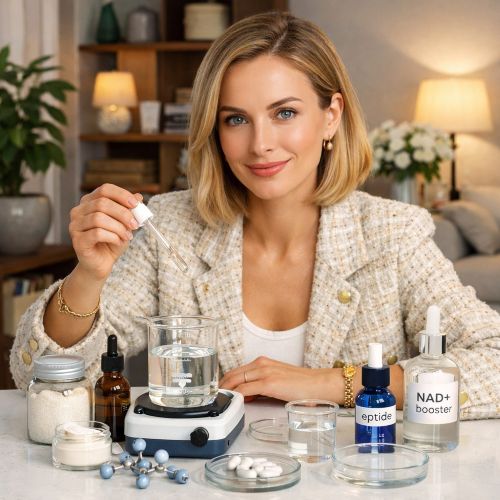
NAD+ boosters and peptides are among the most sensitive ingredients in your skincare arsenal. To maintain their longevity the serum must be stored in a cool dark place away from direct sunlight. High temperatures will cause the peptides to lose their efficacy rapidly. Storing your serum in a dedicated cosmetic refrigerator at a stable temperature is the best way to ensure the actives remain potent for the duration of the product.
The shelf life of a handcrafted NAD+ serum is approximately three to four months when using a high quality broad spectrum preservative. It is essential to use opaque or amber glass packaging to protect the formula from UV light degradation. Always ensure the cap is tightly sealed after every use. If you notice any change in the color of the serum or if it develops a strange scent it is a sign that the actives have oxidized or the peptides have denatured and the product should be replaced. Regular use of a fresh stable formula will yield the best long term results for skin rejuvenation.


Cosmetic ingredients and professional formulation blog
This section features expert materials on modern cosmetic actives. We cover peptides, polynucleotides PDRN, different forms of hyaluronic acid, retinoids, ceramides and other key components.
Special focus is given to active stability, ingredient compatibility and correct incorporation into formulas. You will find practical guides on working with anti-age actives, moisturizing complexes and barrier repair ingredients.
We examine how to properly combine myorelaxants with peptides, common mistakes when using unstable vitamin C forms and ways to improve the performance of moisturizing actives.
Separate materials are dedicated to base oils, extracts, emulsifiers and supporting ingredients. This helps create stable and effective formulas for both professional and home cosmetics.
The blog regularly publishes reviews of trending actives, comparisons of similar ingredients and step-by-step formulation recommendations. The content is aimed at formulators, technologists and anyone seriously involved in creating cosmetic products.
Why this blog is useful
Here you will find practical data on eye area care actives, lifting systems and ingredients that improve skin firmness and tone. We rely on real formulation experience and address the actual challenges that arise during product development.
You can also explore materials on skin protection and repair, depigmentation and anti-inflammatory actives. This approach supports a more systematic selection of ingredients.
FAQ
What topics are covered most often
The blog focuses on peptides, PDRN, hyaluronic acid of different molecular weights, retinoids, ceramides and their compatibility rules.
Are there practical recommendations on how to incorporate actives
Yes, most articles include practical notes on pH stability, incorporation temperature and common formulation mistakes.
Is the content only for professionals
The materials are useful both for formulators and technologists and for those who create cosmetics for personal use and want to understand how modern ingredients work.
Where can I go directly to the ingredients
All key actives are collected in the Actives section, while base components are available in base oils and related categories.