-
 DIY: Video master classes
-
 Aromatherapy
-
 Felting master classes
-
 Eating at home
-
 DIY cosmetics for children
-
 Cooking recipes
-
 Detergents, cleaning products with your own hands
-
 Soap making as a business
-
 Natural cosmetics. Raw materials for cosmetics and soap.
-
 Natural oils in cosmetics
-
 News
-
 Recipes for balms and conditioners
-
 Bath Bomb Recipes
-
 Cream recipes. Cream making.
-
 Lotion recipes. Gel recipes.
-
 Mask recipes
-
 Soap recipes. Base soap. Soap from scratch.
-
 Recipes for all occasions
-
 Natural shampoo recipes
-
 Healthy Nutrition Recipes
-
 Scrub recipes. Massage tiles. Ubtan
-
 DIY candles
-
 Reference materials, questions, tips
-
 Startup - soap production
-
 Hair care. Tips, recipes
-
 Facial skin care. Cleansers.
-
 Body care. Tips, recipes
-
 Photo Reviews
-
 Chocolate Handmade


Ectoine and Beta-Glucan Serum for Skin Restoration
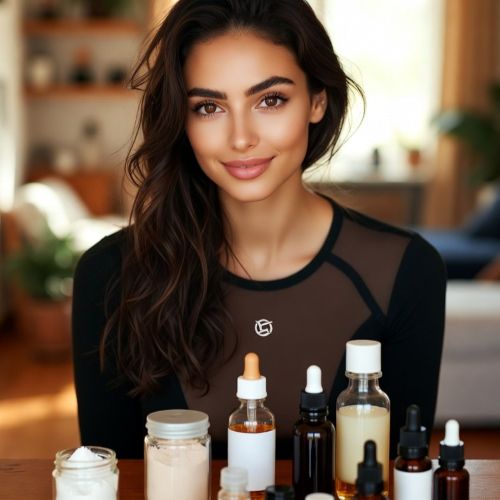 Serum with ectoine and beta glucan for skin restoration is becoming the gold standard for high performance dermatological care. Ectoine is a powerful natural extremolyte that protects cells from environmental stress while beta glucan serves as a biological response modifier that accelerates tissue repair. When combined in a targeted serum these two ingredients create a synergistic effect that goes beyond simple hydration providing a biological shield against urban aging and inflammation.
In this professional guide we will explore the molecular benefits of these actives and provide three detailed recipes for creating stable professional grade restoration serums in a laboratory or home setting.
Beneficial Properties and Biological Action of Ectoine and Beta Glucan
The primary function of ectoine in skincare is its ability to form a hydro film around skin cells. This protective layer stabilizes the cellular membrane and prevents dehydration caused by heat cold or pollution. Ectoine does not just moisturize it prevents the initial damage that leads to premature aging. It is particularly effective for those with sensitive skin or conditions like rosacea as it reduces the inflammatory cascade.
Beta glucan complement this by penetrating the skin to stimulate the immune cells known as macrophages. This stimulation triggers the production of collagen and helps the skin recover from physical damage or chemical irritation. Together these ingredients reduce transepidermal water loss and increase the overall resilience of the skin barrier making this serum essential for post procedure care or daily protection in harsh climates.
Advantages of Professional Handmade Restoration Serums Over Industrial Analogs
The most significant advantage of creating your own serum with ectoine and beta glucan is the concentration of active components. Industrial manufacturers often include these high cost ingredients at minimal percentages just for marketing purposes. By formulating your own product you can ensure that ectoine and beta glucan are present in therapeutic dosages typically between one and two percent for maximum clinical efficacy.
Furthermore handmade professional formulas avoid the use of cheap texture modifiers and liquid microplastics often found in mass market products. Industrial analogs frequently use synthetic silicones to give a temporary feeling of smoothness while handmade serums utilize natural humectants and high quality botanical extracts. This results in a cleaner product that is more biocompatible and less likely to cause long term pore congestion or allergic reactions.
Technical Nuances of Preparation for High Performance Serums
Achieving a stable and clear serum requires careful attention to the solubility of the actives. Ectoine is highly water soluble but it must be dissolved thoroughly in the aqueous phase before adding any gelling agents. Beta glucan especially in its liquid form can sometimes interact with high concentrations of electrolytes so the order of addition is critical to prevent the serum from becoming cloudy or stringy.
Temperature control is also vital for preserving the delicate structure of these molecules. While ectoine is relatively heat stable beta glucan can degrade if exposed to high temperatures for extended periods. Professional formulators add these actives in the cool down phase after the base gel has been established. Precise pH measurement is the final crucial step as the skin barrier recovery is most effective when the product maintains an acidity level between five point zero and five point five.
Recipe One Daily Protective Serum for Urban Skin
This formula is designed for daytime use to shield the skin from pollution and maintain hydration in air conditioned environments.
Composition Eighty milliliters rose hydrosol Two grams ectoine powder Two milliliters liquid beta glucan Five milliliters vegetable glycerin One gram high molecular weight hyaluronic acid One milliliter eco friendly preservative
Preparation Step one Sanitize all laboratory glassware and stirring rods with seventy percent isopropyl alcohol. Step two Pour the rose hydrosol into a glass beaker and slowly add the ectoine powder while stirring until the liquid is perfectly clear. Step three Introduce the vegetable glycerin and stir to combine. Step four Sprinkle the hyaluronic acid powder over the surface and leave it to hydrate for forty five minutes without stirring. Step five Use a high speed mini mixer to blend the gel until it is smooth and free of lumps. Step six Add the liquid beta glucan and the preservative slowly mixing by hand to avoid creating excess air bubbles. Step seven Test the pH and adjust if necessary then transfer to an amber glass bottle with a pipette.
Recipe Two Intensive Post Procedure Recovery Concentrate
A thicker more potent formula aimed at repairing the skin after chemical peels sunlight exposure or mechanical irritation.
Composition Seventy milliliters distilled water Ten milliliters aloe vera juice Three grams ectoine Five milliliters concentrated beta glucan Three milliliters d panthenol Two grams konjac gum or xanthan gum One milliliter preservative
Preparation Step one Mix the distilled water and aloe vera juice in a heat resistant beaker. Step two Dissolve the ectoine powder into the water phase until no particles are visible. Step three Add the d panthenol which acts as a secondary soothing agent to support the recovery process. Step four Gradually add the konjac gum while whisking vigorously to create a dense uniform gel base. Step five Monitor the temperature and once it is below thirty degrees Celsius add the concentrated beta glucan. Step six Incorporate the preservative and stir for three minutes to ensure full distribution. Step seven Allow the serum to rest for two hours before packaging to let the gel structure stabilize.
Recipe Three Nightly Barrier Repair Serum with Ceramides
This recipe combines the protective power of ectoine with water soluble ceramides to rebuild the lipid barrier during the sleep cycle.
Composition Sixty milliliters lavender hydrosol Two grams ectoine Three milliliters beta glucan Ten milliliters water soluble ceramide complex Five milliliters niacinamide solution One gram low molecular weight hyaluronic acid Preservative
Preparation Step one Clean and disinfect your workspace and all mixing tools. Step two Dissolve the ectoine and niacinamide into the lavender hydrosol. Step three Add the low molecular weight hyaluronic acid which will penetrate deeper into the skin layers. Step four Wait for the hyaluronic acid to fully dissolve and form a light liquid gel. Step five Carefully stir in the water soluble ceramide complex which will work with the ectoine to seal the skin barrier. Step six Add the beta glucan and the preservative as the final steps of the formulation. Step seven Pour the serum into a vacuum pump dispenser to minimize exposure to oxygen and bacteria.
Detailed Recommendations for Use and Layering Techniques
For the best results the serum with ectoine and beta glucan should be applied to slightly damp skin immediately after cleansing. This allows the humectants to trap extra moisture in the epidermis. Use three to four drops and press them gently into the face and neck area rather than rubbing. This pressing technique minimizes mechanical friction on sensitive or damaged skin.
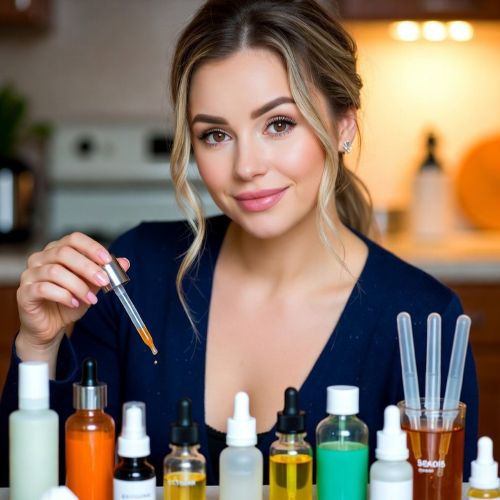
Because this is a water based treatment it should always be followed by a moisturizer or a facial oil. The lipids in the cream will lock in the ectoine and beta glucan preventing them from evaporating. For intensive restoration you can use the serum under a sheet mask to force the active ingredients deeper into the tissue. Always wait at least two minutes for the serum to fully absorb before moving to the next step of your skincare routine.
Storage Guidelines and Maintenance of Product Stability
Handmade restoration serums are highly active and must be stored correctly to maintain their potency. Keep the bottles in a cool dark place away from direct sunlight and heat sources like radiators. A dedicated cosmetic refrigerator is the ideal storage environment for serums containing beta glucan as it helps preserve the biological activity of the polysaccharides.
A properly preserved handmade serum typically remains stable for three to four months. To prevent contamination avoid touching the pipette tip to your skin or any other surfaces. If you notice any change in the clarity of the serum a sour smell or the appearance of sediment it indicates that the actives have degraded or the preservative system has failed. Using airless pump bottles is the most effective way to extend the shelf life and ensure that each dose of the serum is fresh and hygienic.


Cosmetic ingredients and professional formulation blog
This section features expert materials on modern cosmetic actives. We cover peptides, polynucleotides PDRN, different forms of hyaluronic acid, retinoids, ceramides and other key components.
Special focus is given to active stability, ingredient compatibility and correct incorporation into formulas. You will find practical guides on working with anti-age actives, moisturizing complexes and barrier repair ingredients.
We examine how to properly combine myorelaxants with peptides, common mistakes when using unstable vitamin C forms and ways to improve the performance of moisturizing actives.
Separate materials are dedicated to base oils, extracts, emulsifiers and supporting ingredients. This helps create stable and effective formulas for both professional and home cosmetics.
The blog regularly publishes reviews of trending actives, comparisons of similar ingredients and step-by-step formulation recommendations. The content is aimed at formulators, technologists and anyone seriously involved in creating cosmetic products.
Why this blog is useful
Here you will find practical data on eye area care actives, lifting systems and ingredients that improve skin firmness and tone. We rely on real formulation experience and address the actual challenges that arise during product development.
You can also explore materials on skin protection and repair, depigmentation and anti-inflammatory actives. This approach supports a more systematic selection of ingredients.
FAQ
What topics are covered most often
The blog focuses on peptides, PDRN, hyaluronic acid of different molecular weights, retinoids, ceramides and their compatibility rules.
Are there practical recommendations on how to incorporate actives
Yes, most articles include practical notes on pH stability, incorporation temperature and common formulation mistakes.
Is the content only for professionals
The materials are useful both for formulators and technologists and for those who create cosmetics for personal use and want to understand how modern ingredients work.
Where can I go directly to the ingredients
All key actives are collected in the Actives section, while base components are available in base oils and related categories.



