-
 DIY: Video master classes
-
 Aromatherapy
-
 Felting master classes
-
 Eating at home
-
 DIY cosmetics for children
-
 Cooking recipes
-
 Detergents, cleaning products with your own hands
-
 Soap making as a business
-
 Natural cosmetics. Raw materials for cosmetics and soap.
-
 Natural oils in cosmetics
-
 News
-
 Recipes for balms and conditioners
-
 Bath Bomb Recipes
-
 Cream recipes. Cream making.
-
 Lotion recipes. Gel recipes.
-
 Mask recipes
-
 Soap recipes. Base soap. Soap from scratch.
-
 Recipes for all occasions
-
 Natural shampoo recipes
-
 Healthy Nutrition Recipes
-
 Scrub recipes. Massage tiles. Ubtan
-
 DIY candles
-
 Reference materials, questions, tips
-
 Startup - soap production
-
 Hair care. Tips, recipes
-
 Facial skin care. Cleansers.
-
 Body care. Tips, recipes
-
 Photo Reviews
-
 Chocolate Handmade


Biotinoyl Tripeptide-1 Hair Repair Serum: The Secret to Healthy, Strong Hair
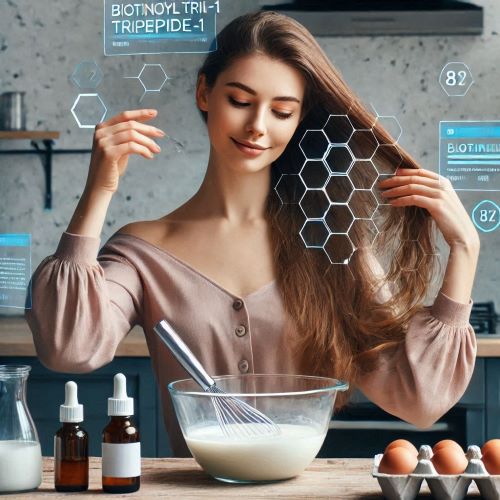 Thinning hair, hair loss, and lack of shine can significantly impact self-esteem. While the market offers numerous commercial hair care products, many contain harsh chemicals and offer limited results. This article explores the benefits of a homemade Hair Restoration Serum with Biotinoyl Tripeptide-1, a powerful peptide known for its hair growth-promoting properties. We'll delve into its advantages over commercial alternatives, provide detailed recipes, and offer storage and usage recommendations.
What is Biotinoyl Tripeptide-1?
Biotinoyl Tripeptide-1 is a tripeptide (a chain of three amino acids) combined with biotin (vitamin B7). This unique combination offers several benefits for hair health:
- Stimulates Hair Growth: It promotes hair follicle cell proliferation, leading to increased hair growth.
- Strengthens Hair Fibers: It improves hair anchoring in the scalp, reducing hair loss.
- Improves Hair Quality: It enhances hair thickness, density, and overall appearance.
Advantages of Homemade Serum over Commercial Products
Creating your own Hair Restoration Serum offers several distinct advantages:
- Control over Ingredients: You can choose high-quality, natural ingredients and avoid harsh chemicals, sulfates, and parabens often found in commercial products.
- Customization: You can tailor the serum to your specific hair needs by adjusting the ingredients and concentrations.
- Cost-Effectiveness: Making your own serum can be more economical in the long run compared to purchasing expensive commercial products.
- Freshness: Homemade serums are used fresh, maximizing the potency of the ingredients.
Three Detailed Recipes for Hair Restoration Serum
Here are three different recipes for a Hair Restoration Serum, catering to various needs and preferences:
Recipe 1: Basic Hair Growth Serum
-
Ingredients:
-
Instructions:
- Combine distilled water (or hydrosol) and glycerin in a small, sterile bottle.
- Carefully add the Biotinoyl Tripeptide-1 solution.
- If using, add the rosemary essential oil.
- Close the bottle tightly and shake gently to combine all ingredients.
Recipe 2: Nourishing Hair Serum with Argan Oil
-
Ingredients:
- 10ml Argan Oil
- 5ml Jojoba Oil
- 5ml Distilled Water or Hydrosol
- 1ml Biotinoyl Tripeptide-1 (1000ppm solution)
- 3 drops Lavender Essential Oil (optional, for calming and scalp health)
-
Instructions:
- Combine the argan and jojoba oils in a small bottle.
- In a separate container, mix the distilled water (or hydrosol) and Biotinoyl Tripeptide-1.
- Slowly add the water/peptide mixture to the oil blend, whisking constantly to emulsify. This may not fully emulsify, but shaking before each use will help.
- Add the lavender essential oil, if using.
- Close the bottle and shake well.
Recipe 3: Intensive Hair Loss Serum with Caffeine
-
Ingredients:
- 10ml Aloe Vera Gel
- 5ml Distilled Water
- 1ml Biotinoyl Tripeptide-1 (1000ppm solution)
- 1ml Caffeine Powder (dissolved in 1ml warm distilled water prior to adding)
- 3 drops Peppermint Essential Oil (optional, for scalp stimulation)
-
Instructions:
- Dissolve the caffeine powder in 1ml of warm distilled water, ensuring it's fully dissolved. Allow to cool.
- Combine the aloe vera gel and remaining distilled water in a small bottle.
- Add the dissolved caffeine solution and the Biotinoyl Tripeptide-1.
- If using, add the peppermint essential oil.
- Close the bottle and shake well.
Recommendations for Use
- Application: Apply a few drops of the serum directly to the scalp, focusing on areas of concern. Gently massage the serum into the scalp for a few minutes to improve absorption.
- Frequency: Use the serum once or twice daily for best results. Consistency is key for seeing noticeable improvements.
- Patch Test: Before using any homemade serum, perform a patch test on a small area of skin to check for any allergic reactions.
- Duration: It may take several weeks or months of consistent use to see significant improvements in hair growth and thickness.
Storage Recommendations
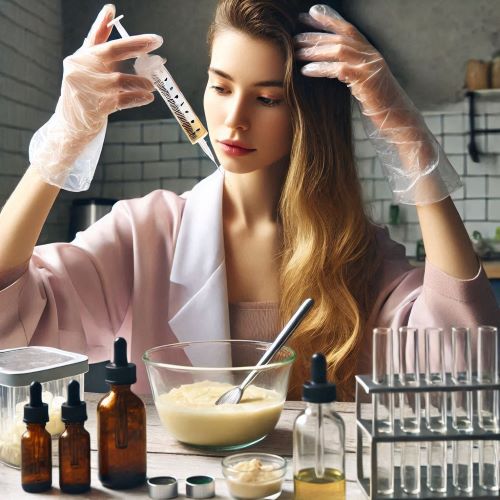
- Refrigeration: Store the serum in the refrigerator to prolong its shelf life, especially if using water-based ingredients.
- Dark Glass Bottles: Use dark glass bottles to protect the ingredients from light degradation.
- Shelf Life: Homemade serums typically have a shorter shelf life than commercial products due to the lack of preservatives. It is recommended to use them within 1-2 months.
Conclusion
A homemade Hair Restoration Serum with Biotinoyl Tripeptide-1 offers a natural and effective way to promote healthy hair growth and combat hair loss. By carefully selecting ingredients and following the recipes provided, you can create a customized serum that meets your specific needs and avoids the harsh chemicals found in many commercial products. Remember to be consistent with application and store the serum properly to maximize its benefits.


Cosmetic ingredients and professional formulation blog
This section features expert materials on modern cosmetic actives. We cover peptides, polynucleotides PDRN, different forms of hyaluronic acid, retinoids, ceramides and other key components.
Special focus is given to active stability, ingredient compatibility and correct incorporation into formulas. You will find practical guides on working with anti-age actives, moisturizing complexes and barrier repair ingredients.
We examine how to properly combine myorelaxants with peptides, common mistakes when using unstable vitamin C forms and ways to improve the performance of moisturizing actives.
Separate materials are dedicated to base oils, extracts, emulsifiers and supporting ingredients. This helps create stable and effective formulas for both professional and home cosmetics.
The blog regularly publishes reviews of trending actives, comparisons of similar ingredients and step-by-step formulation recommendations. The content is aimed at formulators, technologists and anyone seriously involved in creating cosmetic products.
Why this blog is useful
Here you will find practical data on eye area care actives, lifting systems and ingredients that improve skin firmness and tone. We rely on real formulation experience and address the actual challenges that arise during product development.
You can also explore materials on skin protection and repair, depigmentation and anti-inflammatory actives. This approach supports a more systematic selection of ingredients.
FAQ
What topics are covered most often
The blog focuses on peptides, PDRN, hyaluronic acid of different molecular weights, retinoids, ceramides and their compatibility rules.
Are there practical recommendations on how to incorporate actives
Yes, most articles include practical notes on pH stability, incorporation temperature and common formulation mistakes.
Is the content only for professionals
The materials are useful both for formulators and technologists and for those who create cosmetics for personal use and want to understand how modern ingredients work.
Where can I go directly to the ingredients
All key actives are collected in the Actives section, while base components are available in base oils and related categories.



