-
 DIY: Video master classes
-
 Aromatherapy
-
 Felting master classes
-
 Eating at home
-
 DIY cosmetics for children
-
 Cooking recipes
-
 Detergents, cleaning products with your own hands
-
 Soap making as a business
-
 Natural cosmetics. Raw materials for cosmetics and soap.
-
 Natural oils in cosmetics
-
 News
-
 Recipes for balms and conditioners
-
 Bath Bomb Recipes
-
 Cream recipes. Cream making.
-
 Lotion recipes. Gel recipes.
-
 Mask recipes
-
 Soap recipes. Base soap. Soap from scratch.
-
 Recipes for all occasions
-
 Natural shampoo recipes
-
 Healthy Nutrition Recipes
-
 Scrub recipes. Massage tiles. Ubtan
-
 DIY candles
-
 Reference materials, questions, tips
-
 Startup - soap production
-
 Hair care. Tips, recipes
-
 Facial skin care. Cleansers.
-
 Body care. Tips, recipes
-
 Photo Reviews
-
 Chocolate Handmade


Hair serum with keratin and silk amino acids
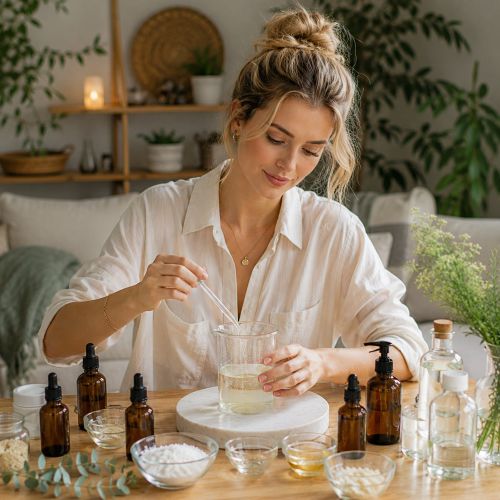 The structural integrity of hair depends entirely on its protein framework. Since hair is approximately eighty percent keratin any external damage leads to voids in the cuticle layer. A serum combining hydrolyzed keratin and silk amino acids is the ideal physiological solution for hair restoration. Keratin fills the damaged areas returning strength to the hair while silk amino acids due to their low molecular weight penetrate deep inside to retain moisture and create a weightless protective film.
This professional guide explores the mechanisms of protein actives technical nuances of working with proteins and provides three professional recipes for creating high performance hair care at home.
Beneficial Properties of Keratin and Silk Amino Acids for Damaged Hair
Hydrolyzed keratin is a protein form broken down into smaller molecules capable of integrating into the human hair structure. It acts as a liquid patch strengthening the hair shaft and increasing its resistance to breakage. This is an indispensable ingredient for porous bleached and thinning hair. Keratin helps smooth the raised scales of the cuticle which instantly reduces frizz and facilitates easier combing.
Silk amino acids complement the action of keratin by providing the strands with incredible softness and elasticity. They have a unique ability to bind water in volumes several times their own weight providing deep hydration. Unlike silicones silk does not weigh down the hair but creates a breathable coating that protects against aggressive environmental factors and dry air.
Advantages of Handcrafted Hair Serum Over Industrial Products
The majority of mass market serums contain keratin only in symbolic concentrations at the very end of the ingredient list. The main volume of such products is usually composed of volatile silicones that provide only a visual smoothing effect until the first wash. By creating a serum yourself you can add a therapeutic dose of active proteins ensuring real structural restoration rather than just cosmetic masking.
Home manufacturing allows you to control the purity of the composition. You can exclude aggressive alcohols artificial dyes and strong fragrances that often dry out the hair. Furthermore you have the opportunity to regulate the pH of the product. An optimally acidic environment helps the hair scales close tightly which is critical for retaining protein actives inside the shaft.
Technical Nuances of Preparing Protein Hair Products
Working with proteins requires a delicate approach. Keratin and silk are heat sensitive components. Although they can withstand moderate heat it is best to introduce them during the cool down phase at room temperature to fully preserve their biological value. Using excessively hot water during mixing can lead to protein coagulation or the loss of their ability to penetrate the cuticle.
Another important aspect is concentration. An overdose of keratin can make the hair stiff and brittle so it is important to strictly follow proportions. Water based serums with proteins require the mandatory use of a high quality preservative because proteins are a nutrient medium for bacteria. Always use distilled water or fresh hydrosols as a base to ensure maximum product stability.
Recipe One Intense Regenerating Liquid Silk Serum
This product is designed for the rapid restoration of severely damaged porous and brittle hair.
Composition Seventy milliliters Lavender hydrosol Ten milliliters hydrolyzed keratin Five milliliters silk amino acids Five milliliters vegetable glycerin Two capsules Vitamin E Zero point five grams lactic acid Eco preservative
Preparation Step one Thoroughly disinfect all glass beakers and tools with alcohol. Step two Mix the Lavender hydrosol with glycerin in a clean container. Step three Add the hydrolyzed keratin while slowly stirring the liquid with a glass rod. Step four Introduce the silk amino acids ensuring the mixture remains homogeneous. Step five Add the Vitamin E and lactic acid to adjust the pH to a level of four point five. Step six Stir the product thoroughly for two minutes until the phases are completely combined. Step seven Add the preservative and transfer the serum to a bottle with a fine mist sprayer.
Recipe Two Leave In Shine and Elasticity Protection Fluid
A lightweight formula for daily hair protection against drying and for providing a mirror like glow.
Composition Eighty milliliters distilled water Three milliliters silk amino acids Three milliliters hydrolyzed keratin Two milliliters D panthenol Two drops Ylang Ylang essential oil Three milliliters water soluble Babassu oil Preservative
Preparation Step one Prepare all components and a sterile container. Step two Mix the water soluble Babassu oil with the Ylang Ylang essential oil. Step three Dissolve the resulting mixture in the distilled water. Step four Introduce the D panthenol which helps to further soothe the cuticle. Step five Add the silk amino acids and keratin at room temperature. Step six Stir slowly until an absolutely transparent fluid is achieved. Step seven Add the preservative system and transfer to a convenient bottle with a dispenser.
Recipe Three Express Reconstruction Spray Serum for Hair Ends
A concentrated product to combat split ends and facilitate combing.
Composition Fifty milliliters Rosemary hydrosol Ten milliliters silk amino acids Five milliliters hydrolyzed keratin Five milliliters wheat proteins Two milliliters Aloe Vera gel Preservative
Preparation Step one Check the cleanliness of the inventory. Step two Mix the Rosemary hydrosol with the Aloe Vera gel until the gel is completely dissolved. Step three Add the wheat proteins which enhance the action of the keratin. Step four Introduce a large dose of silk amino acids for instant softening of the hair ends. Step five Add the keratin while slowly shaking the mixture in a circular motion. Step six Ensure there is no sediment in the liquid. Step seven Add the preservative and package into small bottles for convenient use.
Detailed Recommendations for Using Protein Actives
Protein serums work most effectively on damp freshly washed hair. After washing your head lightly pat the hair with a towel to remove excess moisture but leave it damp. Distribute a small amount of serum throughout the entire length paying special attention to the ends and the most damaged areas. Try not to apply the product directly to the roots and scalp to avoid loss of volume.
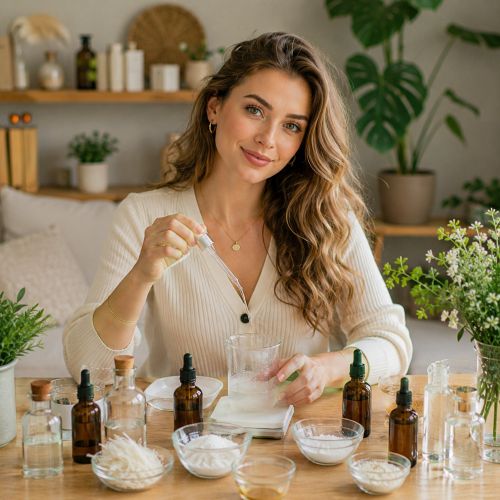
After applying the serum the hair can be combed with a wide tooth comb for even distribution of the actives. Since proteins are activated by heat a light blow dry on a medium temperature setting will help the keratin fix better within the cuticle voids. Use these products after every wash to achieve a cumulative healthy effect.
Storage Guidelines and Product Stability Maintenance
Serums with keratin and silk require protection from direct sunlight and heat sources. Since proteins are delicate structures it is best to store the bottle in a cool dark place such as a closed bathroom cabinet or a skincare refrigerator. Low temperatures help maintain the activity of the amino acids longer and prevent premature degradation of the formula.
The shelf life of a handcrafted serum using a reliable eco preservative is typically two to three months. Always close the dispenser tightly after use to minimize oxygen access. If you notice a change in transparency the appearance of sediment or a specific odor the use of the product should be discontinued. Using airless pump bottles or spray bottles is the most hygienic option as it prevents contact between the product and bacteria from your hands.


Cosmetic ingredients and professional formulation blog
This section features expert materials on modern cosmetic actives. We cover peptides, polynucleotides PDRN, different forms of hyaluronic acid, retinoids, ceramides and other key components.
Special focus is given to active stability, ingredient compatibility and correct incorporation into formulas. You will find practical guides on working with anti-age actives, moisturizing complexes and barrier repair ingredients.
We examine how to properly combine myorelaxants with peptides, common mistakes when using unstable vitamin C forms and ways to improve the performance of moisturizing actives.
Separate materials are dedicated to base oils, extracts, emulsifiers and supporting ingredients. This helps create stable and effective formulas for both professional and home cosmetics.
The blog regularly publishes reviews of trending actives, comparisons of similar ingredients and step-by-step formulation recommendations. The content is aimed at formulators, technologists and anyone seriously involved in creating cosmetic products.
Why this blog is useful
Here you will find practical data on eye area care actives, lifting systems and ingredients that improve skin firmness and tone. We rely on real formulation experience and address the actual challenges that arise during product development.
You can also explore materials on skin protection and repair, depigmentation and anti-inflammatory actives. This approach supports a more systematic selection of ingredients.
FAQ
What topics are covered most often
The blog focuses on peptides, PDRN, hyaluronic acid of different molecular weights, retinoids, ceramides and their compatibility rules.
Are there practical recommendations on how to incorporate actives
Yes, most articles include practical notes on pH stability, incorporation temperature and common formulation mistakes.
Is the content only for professionals
The materials are useful both for formulators and technologists and for those who create cosmetics for personal use and want to understand how modern ingredients work.
Where can I go directly to the ingredients
All key actives are collected in the Actives section, while base components are available in base oils and related categories.



