-
 DIY: Video master classes
-
 Aromatherapy
-
 Felting master classes
-
 Eating at home
-
 DIY cosmetics for children
-
 Cooking recipes
-
 Detergents, cleaning products with your own hands
-
 Soap making as a business
-
 Natural cosmetics. Raw materials for cosmetics and soap.
-
 Natural oils in cosmetics
-
 News
-
 Recipes for balms and conditioners
-
 Bath Bomb Recipes
-
 Cream recipes. Cream making.
-
 Lotion recipes. Gel recipes.
-
 Mask recipes
-
 Soap recipes. Base soap. Soap from scratch.
-
 Recipes for all occasions
-
 Natural shampoo recipes
-
 Healthy Nutrition Recipes
-
 Scrub recipes. Massage tiles. Ubtan
-
 DIY candles
-
 Reference materials, questions, tips
-
 Startup - soap production
-
 Hair care. Tips, recipes
-
 Facial skin care. Cleansers.
-
 Body care. Tips, recipes
-
 Photo Reviews
-
 Chocolate Handmade


Anti-pigmentation facial serum: radiant, blemish-free skin
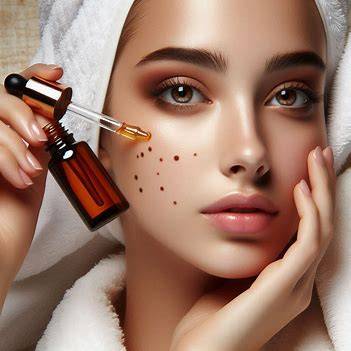 Age spots, also known as sun spots or liver spots, are flat, darkened areas of skin that appear with age and sun exposure. While they're harmless, many people seek to reduce their appearance for a more even, radiant complexion.
This article explores the causes of age spots and offers natural solutions you can incorporate into your skincare routine. We'll also provide DIY facial serum recipes that target hyperpigmentation and promote brighter, younger-looking skin.
What Causes Age Spots?
Age spots form when melanin, the pigment that gives skin its color, clumps together in sun-exposed areas. Factors contributing to their development include:
- Sun exposure: The primary culprit, UV rays stimulate melanin production, leading to hyperpigmentation.
- Age: As we age, melanin production becomes less regulated, increasing the risk of age spots.
- Hormonal changes: Fluctuations in estrogen and progesterone during pregnancy or menopause can trigger hyperpigmentation.
- Genetics: Some people are naturally more prone to developing age spots.
Natural Solutions for Age Spots:
Here are some natural ingredients known for their effectiveness in brightening skin and reducing the appearance of age spots:
- Vitamin C: A powerful antioxidant that inhibits melanin production and promotes collagen synthesis for firmer, brighter skin.
- Licorice Root: Contains glabridin, a compound that helps lighten hyperpigmentation and even skin tone.
- Kojic Acid: A natural skin brightener derived from mushrooms, it works by inhibiting the enzyme tyrosinase, which is involved in melanin production.
- Alpha Hydroxy Acids (AHAs): Exfoliate dead skin cells, encouraging cell turnover and promoting a more even skin tone. Examples include lactic acid and glycolic acid.
- Niacinamide (Vitamin B3): Reduces inflammation, improves skin barrier function, and helps minimize the appearance of age spots.
 DIY Facial Serum Recipes:
Remember: Always conduct a patch test on your inner forearm before applying any new product to your face. Discontinue use if you experience irritation.
Recipe 1: Vitamin C and Licorice Root Serum
Ingredients:
- 1 tablespoon witch hazel (astringent)
- 1/2 teaspoon vitamin C powder
- 1/4 teaspoon licorice root powder
- 1 tablespoon aloe vera gel (moisturizer)
- 5 drops essential oil (optional, for fragrance - choose calming options like lavender or chamomile)
Instructions:
- In a clean, dark container, combine witch hazel, vitamin C powder, and licorice root powder.
- Slowly whisk in aloe vera gel until a smooth consistency is achieved.
- If desired, add essential oil and mix well.
- Apply a few drops to your cleansed face and neck morning and night. Store in the refrigerator for up to two weeks.
Recipe 2: Kojic Acid and AHA Serum
Ingredients:
- 1 tablespoon rose water (toner)
- 1/2 teaspoon kojic acid powder (use caution, wear gloves)
- 1/4 teaspoon lactic acid (AHA)
- 1 tablespoon jojoba oil (moisturizer)
Instructions:
- In a clean, dark container, combine rose water and kojic acid powder (wear gloves when handling).
- Warning: Kojic acid can be irritating, so start with a lower concentration (1/4 tsp) and gradually increase if tolerated.
- Slowly whisk in lactic acid.
- Add jojoba oil and mix well.
- Apply a few drops to your cleansed face and neck at night only. Wash face thoroughly in the morning. Store in the refrigerator for up to two weeks.
Consistency is Key:
While these DIY serums offer a natural approach to tackling age spots, consistency is crucial. Aim to use them for at least 6-8 weeks to see noticeable results.
Sun Protection is Essential:
Remember, sun exposure is the biggest contributor to age spots. Regardless of your chosen treatment, consistent use of sunscreen with SPF 30 or higher is vital for preventing new age spots and maintaining your results.
Disclaimer:
This article provides information for educational purposes only and should not be construed as medical advice. Always consult a dermatologist before starting a new skincare regimen, especially if you have sensitive skin or any underlying skin conditions.


Cosmetic ingredients and professional formulation blog
This section features expert materials on modern cosmetic actives. We cover peptides, polynucleotides PDRN, different forms of hyaluronic acid, retinoids, ceramides and other key components.
Special focus is given to active stability, ingredient compatibility and correct incorporation into formulas. You will find practical guides on working with anti-age actives, moisturizing complexes and barrier repair ingredients.
We examine how to properly combine myorelaxants with peptides, common mistakes when using unstable vitamin C forms and ways to improve the performance of moisturizing actives.
Separate materials are dedicated to base oils, extracts, emulsifiers and supporting ingredients. This helps create stable and effective formulas for both professional and home cosmetics.
The blog regularly publishes reviews of trending actives, comparisons of similar ingredients and step-by-step formulation recommendations. The content is aimed at formulators, technologists and anyone seriously involved in creating cosmetic products.
Why this blog is useful
Here you will find practical data on eye area care actives, lifting systems and ingredients that improve skin firmness and tone. We rely on real formulation experience and address the actual challenges that arise during product development.
You can also explore materials on skin protection and repair, depigmentation and anti-inflammatory actives. This approach supports a more systematic selection of ingredients.
FAQ
What topics are covered most often
The blog focuses on peptides, PDRN, hyaluronic acid of different molecular weights, retinoids, ceramides and their compatibility rules.
Are there practical recommendations on how to incorporate actives
Yes, most articles include practical notes on pH stability, incorporation temperature and common formulation mistakes.
Is the content only for professionals
The materials are useful both for formulators and technologists and for those who create cosmetics for personal use and want to understand how modern ingredients work.
Where can I go directly to the ingredients
All key actives are collected in the Actives section, while base components are available in base oils and related categories.



