-
 DIY: Video master classes
-
 Aromatherapy
-
 Felting master classes
-
 Eating at home
-
 DIY cosmetics for children
-
 Cooking recipes
-
 Detergents, cleaning products with your own hands
-
 Soap making as a business
-
 Natural cosmetics. Raw materials for cosmetics and soap.
-
 Natural oils in cosmetics
-
 News
-
 Recipes for balms and conditioners
-
 Bath Bomb Recipes
-
 Cream recipes. Cream making.
-
 Lotion recipes. Gel recipes.
-
 Mask recipes
-
 Soap recipes. Base soap. Soap from scratch.
-
 Recipes for all occasions
-
 Natural shampoo recipes
-
 Healthy Nutrition Recipes
-
 Scrub recipes. Massage tiles. Ubtan
-
 DIY candles
-
 Reference materials, questions, tips
-
 Startup - soap production
-
 Hair care. Tips, recipes
-
 Facial skin care. Cleansers.
-
 Body care. Tips, recipes
-
 Photo Reviews
-
 Chocolate Handmade


DIY SPA products: scrubs, butters, and balms
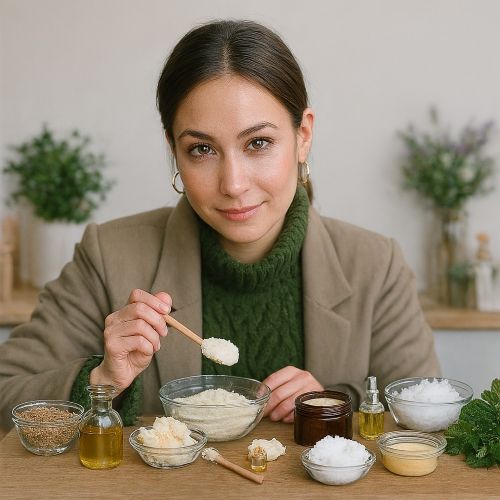 The desire for luxurious, effective, and non-toxic body care is driving a surge in homemade cosmetics. While commercial SPA products are appealing, they often contain synthetic fragrances, cheap fillers, and harsh preservatives that can irritate the skin and diminish the therapeutic experience. Creating your own SPA products—scrubs, body butters, and balms—allows for complete control over ingredient quality and concentration, ensuring a truly indulgent and beneficial experience. This article provides a comprehensive guide to crafting your own home SPA line, detailing the unique properties of key natural ingredients, offering three detailed recipes, and outlining the clear advantages of DIY over industrial alternatives.
The Power of Natural SPA Ingredients
Home SPA products rely on the inherent benefits of natural oils, butters, and exfoliants to nourish and renew the skin.
-
Exfoliants (Salts and Sugars): These remove dead skin cells, immediately improving texture and promoting cell turnover. Unlike synthetic microbeads, natural exfoliants are biodegradable and environmentally friendly.
-
Nutrient-Rich Butters (Shea, Cocoa, Mango): These solid-at-room-temperature fats are packed with vitamins and essential fatty acids. They create a protective, occlusive barrier on the skin, sealing in moisture and providing intense nourishment.
-
Carrier Oils (Coconut, Almond, Jojoba): These liquid oils serve as the delivery system for actives. They penetrate the skin easily, adding emollience and aiding in the absorption of fat-soluble vitamins.
-
Essential Oils: Used for aromatherapy, essential oils provide therapeutic benefits for both the skin and the mind, transforming a simple routine into a true SPA experience.
Three Recipes for Your Ultimate Home SPA Collection
These three recipes cover the essential steps of a luxurious body care routine: exfoliation, intense moisturization, and targeted nourishment.
Recipe 1: Detoxifying Citrus Sugar Scrub
This scrub gently exfoliates and leaves the skin feeling soft and refreshed.
-
Prepare the dry base. In a sterilized bowl, weigh 150g of fine white sugar and 50g of Epsom salt. Sugar provides gentle exfoliation, while Epsom salt adds a detoxifying, mineral boost.
-
Combine with oils. In a separate, small container, combine 50g of fractionated coconut oil and 25g of sweet almond oil. The oils should be room temperature.
-
Mix and add scent. Slowly pour the oil mixture into the sugar and salt mixture, stirring until thoroughly combined to a wet sand consistency. Do not overmix.
-
Add essential oils. Add 10 drops of sweet orange essential oil and 5 drops of grapefruit essential oil for a refreshing, mood-boosting aroma. Stir quickly.
-
Package and store. Transfer the scrub to a clean, wide-mouth jar with a tight-fitting lid.
Recommendations for Use: Use 1-2 times per week. Apply to damp skin in the shower, massage in circular motions, and rinse thoroughly. Pat skin dry.
Storage: Store in a cool, dry place away from water and direct steam. The shelf life is approximately 6 months.
Recipe 2: Luxurious Whipped Cocoa Body Butter
This rich, anhydrous butter deeply moisturizes, making it ideal for dry skin after exfoliation.
-
Melt the solid fats. In a heatproof bowl set over a pot of simmering water (double boiler), weigh and melt 50g of shea butter and 50g of cocoa butter. Stir until fully liquid and homogeneous.
-
Add the liquid oil. Remove the bowl from the heat and add 20g of jojoba oil and 1g of Vitamin E (Tocopherol). Stir to combine. Vitamin E acts as an antioxidant for the oils.
-
Cool the mixture. Place the bowl in the refrigerator for 20-30 minutes, or until the mixture is semi-solid but not completely hard (it should be opaque and slightly soft to the touch).
-
Whip the butter. Using a hand mixer or stand mixer, whip the semi-solid mixture for 5-10 minutes until it becomes light, fluffy, and resembles whipped cream.
-
Add scent and package. Add 5 drops of sandalwood essential oil or your favorite fragrance oil. Transfer the whipped butter to a clean jar.
Recommendations for Use: Apply a small amount to clean, damp skin after a bath or shower. A little goes a long way.
Storage: Store at room temperature in an airtight container. If the temperature is too high, it may melt. The shelf life is up to 1 year.
Recipe 3: Multi-Purpose Healing Lip and Cuticle Balm
A perfect finishing touch, this concentrated balm targets small areas needing intensive repair.
-
Prepare the base. In a heatproof beaker, weigh 40g of sweet almond oil and 10g of beeswax. Beeswax provides the necessary structure and protection. Melt gently on a double boiler.
-
Infuse with soothing active. Once the mixture is liquid, remove from heat and add 5g of calendula-infused oil. This oil is highly effective for soothing and healing irritated skin. Stir well.
-
Add moisture and scent. Add 1g of lanolin for its excellent occlusive properties, and 2 drops of peppermint essential oil for a slight cooling sensation. Stir quickly.
-
Pour and solidify. Carefully pour the hot liquid balm into small, clean tins or lip balm tubes. Allow to cool completely and solidify before capping.
Recommendations for Use: Apply to dry lips, cracked heels, or rough cuticles as needed for intensive moisturizing and healing.
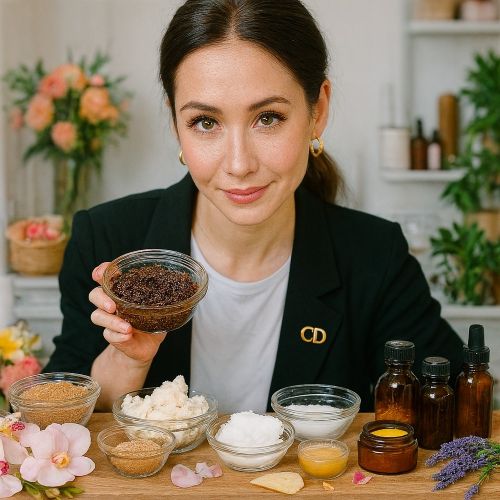 Storage: Store at room temperature. The shelf life is up to 1 year.
Advantages Over Industrial SPA Products
Choosing DIY for your SPA routine offers numerous compelling benefits over purchasing commercial products.
-
Ingredient Purity and Concentration: You control the source and quantity of every ingredient. You can use 100% natural oils and butters and avoid the cheap vegetable oils and mineral oils that pad out the formulas of many industrial products.
-
No Synthetic Additives: Homemade products are free of synthetic fragrances, artificial colorants, and aggressive preservatives like parabens. This drastically reduces the risk of allergic reactions and irritation, which is key for a truly relaxing SPA experience.
-
Customization and Aromatherapy: You can tailor the texture and scent profile to your exact preferences. Use your favorite essential oils not only for fragrance but also for their therapeutic benefits, whether it's calming lavender or energizing citrus.
-
Cost-Effectiveness: While the initial investment in bulk ingredients may seem high, the cost per finished product is significantly lower than purchasing comparable high-end, organic SPA products.
By creating your own luxurious and potent scrubs, butters, and balms, you elevate your self-care routine and ensure that your skin receives only the purest, most beneficial ingredients.


Cosmetic ingredients and professional formulation blog
This section features expert materials on modern cosmetic actives. We cover peptides, polynucleotides PDRN, different forms of hyaluronic acid, retinoids, ceramides and other key components.
Special focus is given to active stability, ingredient compatibility and correct incorporation into formulas. You will find practical guides on working with anti-age actives, moisturizing complexes and barrier repair ingredients.
We examine how to properly combine myorelaxants with peptides, common mistakes when using unstable vitamin C forms and ways to improve the performance of moisturizing actives.
Separate materials are dedicated to base oils, extracts, emulsifiers and supporting ingredients. This helps create stable and effective formulas for both professional and home cosmetics.
The blog regularly publishes reviews of trending actives, comparisons of similar ingredients and step-by-step formulation recommendations. The content is aimed at formulators, technologists and anyone seriously involved in creating cosmetic products.
Why this blog is useful
Here you will find practical data on eye area care actives, lifting systems and ingredients that improve skin firmness and tone. We rely on real formulation experience and address the actual challenges that arise during product development.
You can also explore materials on skin protection and repair, depigmentation and anti-inflammatory actives. This approach supports a more systematic selection of ingredients.
FAQ
What topics are covered most often
The blog focuses on peptides, PDRN, hyaluronic acid of different molecular weights, retinoids, ceramides and their compatibility rules.
Are there practical recommendations on how to incorporate actives
Yes, most articles include practical notes on pH stability, incorporation temperature and common formulation mistakes.
Is the content only for professionals
The materials are useful both for formulators and technologists and for those who create cosmetics for personal use and want to understand how modern ingredients work.
Where can I go directly to the ingredients
All key actives are collected in the Actives section, while base components are available in base oils and related categories.



