-
 DIY: Video master classes
-
 Aromatherapy
-
 Felting master classes
-
 Eating at home
-
 DIY cosmetics for children
-
 Cooking recipes
-
 Detergents, cleaning products with your own hands
-
 Soap making as a business
-
 Natural cosmetics. Raw materials for cosmetics and soap.
-
 Natural oils in cosmetics
-
 News
-
 Recipes for balms and conditioners
-
 Bath Bomb Recipes
-
 Cream recipes. Cream making.
-
 Lotion recipes. Gel recipes.
-
 Mask recipes
-
 Soap recipes. Base soap. Soap from scratch.
-
 Recipes for all occasions
-
 Natural shampoo recipes
-
 Healthy Nutrition Recipes
-
 Scrub recipes. Massage tiles. Ubtan
-
 DIY candles
-
 Reference materials, questions, tips
-
 Startup - soap production
-
 Hair care. Tips, recipes
-
 Facial skin care. Cleansers.
-
 Body care. Tips, recipes
-
 Photo Reviews
-
 Chocolate Handmade


Sunscreen for mature/dehydrated/dry skin SPF 15 with zinc oxide
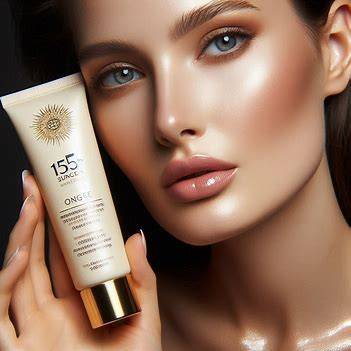 Sun Protection for the Delicate: Finding the Perfect SPF 15 Sunscreen with Zinc Oxide for Mature, Dehydrated Skin
The sun's rays are a double-edged sword for mature skin. While some sun exposure can aid vitamin D production, it can also exacerbate signs of aging like wrinkles, hyperpigmentation, and dryness. For those with already dehydrated or dry skin, finding the right sunscreen can feel like a balancing act. Here's why SPF 15 with zinc oxide might be the perfect solution.
Why SPF 15 for Mature, Dehydrated Skin?
While SPF 30 or higher is generally recommended, those with mature, dehydrated skin might benefit from a gentler approach. Here's why:
- Reduced Irritation: Higher SPF sunscreens often contain additional ingredients for broad-spectrum protection, which can sometimes irritate sensitive, mature skin.
- Lightweight Feel: SPF 15 sunscreens tend to have lighter formulas that won't clog pores or feel heavy on dehydrated skin.
- Focus on Hydration: Many SPF 15 formulas cater to sensitive skin and prioritize hydrating ingredients, perfect for those already battling dryness.
The Power of Zinc Oxide
Zinc oxide is a mineral sunscreen that physically blocks UVA and UVB rays, making it a great choice for sensitive skin. Here's what makes it ideal for mature, dehydrated complexions:
- Gentle on Skin: Zinc oxide is less likely to cause irritation compared to chemical sunscreens.
- Broad-Spectrum Protection: Look for non-nano zinc oxide that offers broad-spectrum protection against both UVA and UVB rays.
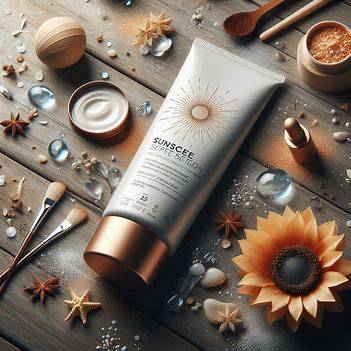 Finding the Right Formula
Here are some additional considerations when choosing an SPF 15 sunscreen with zinc oxide for mature, dehydrated skin:
- Hydration Boosters: Look for ingredients like hyaluronic acid, glycerin, or ceramides that help attract and retain moisture.
- Antioxidant Power: Antioxidants like vitamin C or E can help fight free radical damage caused by sun exposure.
- Tinted Options: Tinted sunscreens can offer light coverage and even out skin tone, perfect for those who prefer a minimal makeup routine.
Sunscreen Application Tips for Mature, Dehydrated Skin:
- Moisturize First: Apply a lightweight moisturizer before sunscreen to create a barrier and prevent dryness.
- Reapplication is Key: Reapply sunscreen every two hours, especially after swimming or sweating.
- Don't Neglect Sensitive Areas: Apply sunscreen to your lips, ears, neck, and the tops of your feet.
Conclusion
Finding the right sunscreen for mature, dehydrated skin doesn't have to be a challenge. With an SPF 15 sunscreen containing zinc oxide and hydrating ingredients, you can enjoy sun protection without sacrificing the health and comfort of your delicate skin. Remember, consistency is key! Make sunscreen application a daily habit to keep your mature skin healthy and glowing.
"


Cosmetic ingredients and professional formulation blog
This section features expert materials on modern cosmetic actives. We cover peptides, polynucleotides PDRN, different forms of hyaluronic acid, retinoids, ceramides and other key components.
Special focus is given to active stability, ingredient compatibility and correct incorporation into formulas. You will find practical guides on working with anti-age actives, moisturizing complexes and barrier repair ingredients.
We examine how to properly combine myorelaxants with peptides, common mistakes when using unstable vitamin C forms and ways to improve the performance of moisturizing actives.
Separate materials are dedicated to base oils, extracts, emulsifiers and supporting ingredients. This helps create stable and effective formulas for both professional and home cosmetics.
The blog regularly publishes reviews of trending actives, comparisons of similar ingredients and step-by-step formulation recommendations. The content is aimed at formulators, technologists and anyone seriously involved in creating cosmetic products.
Why this blog is useful
Here you will find practical data on eye area care actives, lifting systems and ingredients that improve skin firmness and tone. We rely on real formulation experience and address the actual challenges that arise during product development.
You can also explore materials on skin protection and repair, depigmentation and anti-inflammatory actives. This approach supports a more systematic selection of ingredients.
FAQ
What topics are covered most often
The blog focuses on peptides, PDRN, hyaluronic acid of different molecular weights, retinoids, ceramides and their compatibility rules.
Are there practical recommendations on how to incorporate actives
Yes, most articles include practical notes on pH stability, incorporation temperature and common formulation mistakes.
Is the content only for professionals
The materials are useful both for formulators and technologists and for those who create cosmetics for personal use and want to understand how modern ingredients work.
Where can I go directly to the ingredients
All key actives are collected in the Actives section, while base components are available in base oils and related categories.



