-
 DIY: Video master classes
-
 Aromatherapy
-
 Felting master classes
-
 Eating at home
-
 DIY cosmetics for children
-
 Cooking recipes
-
 Detergents, cleaning products with your own hands
-
 Soap making as a business
-
 Natural cosmetics. Raw materials for cosmetics and soap.
-
 Natural oils in cosmetics
-
 News
-
 Recipes for balms and conditioners
-
 Bath Bomb Recipes
-
 Cream recipes. Cream making.
-
 Lotion recipes. Gel recipes.
-
 Mask recipes
-
 Soap recipes. Base soap. Soap from scratch.
-
 Recipes for all occasions
-
 Natural shampoo recipes
-
 Healthy Nutrition Recipes
-
 Scrub recipes. Massage tiles. Ubtan
-
 DIY candles
-
 Reference materials, questions, tips
-
 Startup - soap production
-
 Hair care. Tips, recipes
-
 Facial skin care. Cleansers.
-
 Body care. Tips, recipes
-
 Photo Reviews
-
 Chocolate Handmade


Scrub with coffee and enzymes we prepare an exfoliating agent according to a professional formula
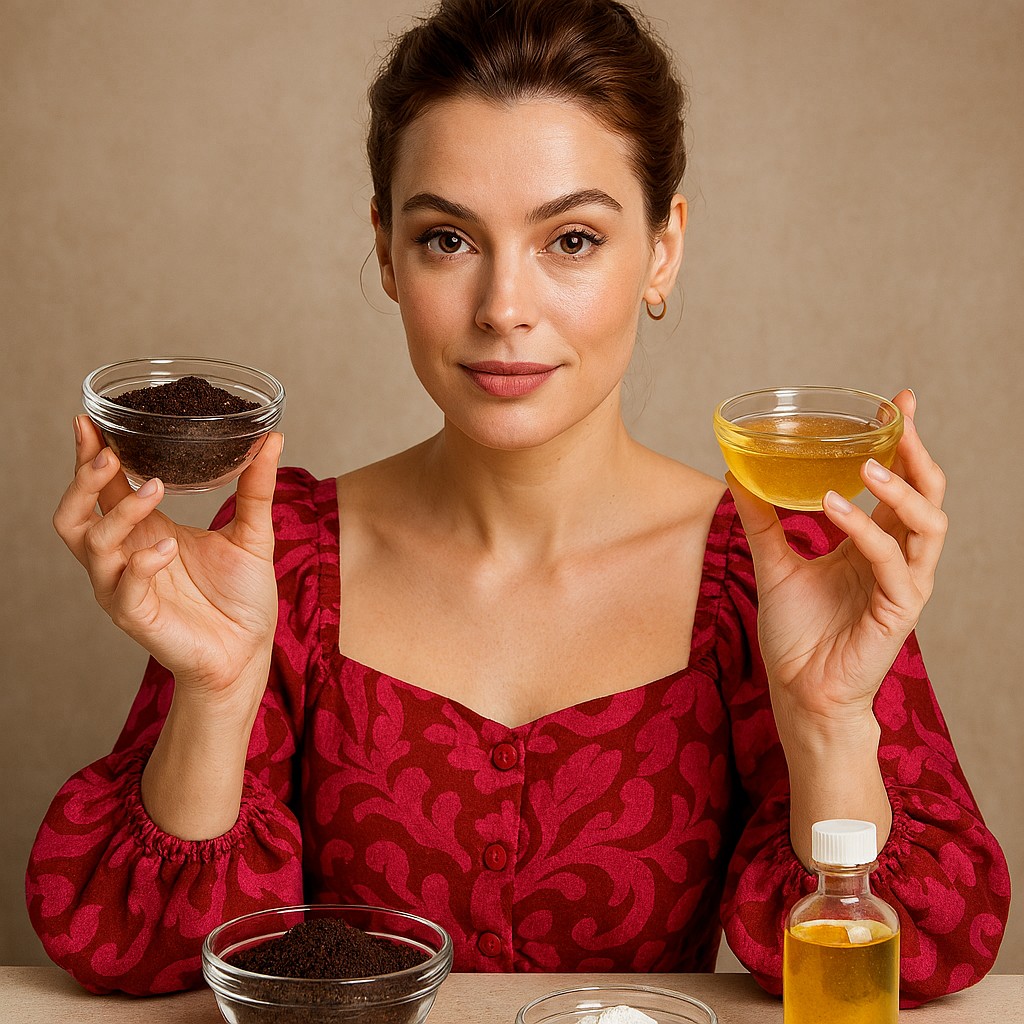 Exfoliation is a cornerstone of any effective skincare routine, helping to remove dead skin cells and reveal a brighter, smoother complexion. While the market is flooded with exfoliating products, many rely on harsh abrasives or aggressive chemical exfoliants that can irritate the skin. The most effective and gentle scrubs combine two powerful methods: mechanical and enzymatic exfoliation. A scrub featuring coffee and enzymes offers the best of both worlds. The ground coffee provides a gentle physical polish, while the enzymes work to dissolve the bonds between dead skin cells, giving you a professional-grade result from the comfort of your home. This article will break down the science behind this powerful duo, detail the nuances of preparation, and provide three unique recipes to help you create a scrub that surpasses industrial analogues in both efficacy and purity.
Understanding the Dual Action: Coffee and Enzymes
The secret to this scrub's effectiveness lies in its unique combination of physical and chemical exfoliating agents. This dual action ensures a thorough and gentle renewal of the skin's surface.
Coffee Grounds: The Mechanical Exfoliant
Coffee grounds are an excellent natural abrasive. Their finely-ground texture is perfect for a gentle physical exfoliation, removing dead skin cells and stimulating blood flow without being overly harsh. The caffeine in coffee also offers additional benefits:
-
Improved Circulation: Massaging coffee grounds onto the skin boosts blood flow, which can lead to a healthier, more radiant glow.
-
Antioxidant Power: Coffee is rich in antioxidants that help protect the skin from free radical damage, preventing premature aging.
-
Firming Effect: The caffeine can temporarily tighten and firm the skin, reducing the appearance of cellulite.
Enzymes: The Chemical Exfoliant
Enzymes are proteins that gently dissolve the "glue" that holds dead skin cells together. They provide a milder form of chemical exfoliation compared to alpha-hydroxy acids (AHAs), making them suitable for sensitive skin.
-
Papain (from Papaya): This enzyme is a powerful yet gentle exfoliator that helps to dissolve protein bonds, revealing a smoother layer of skin. It is also known for its skin-brightening properties.
-
Bromelain (from Pineapple): Similar to papain, bromelain helps to break down dead skin cells and reduce inflammation. Its anti-inflammatory properties make it particularly useful for irritated or acne-prone skin.
The combination of the physical scrubbing action of coffee with the gentle dissolving power of enzymes ensures a comprehensive exfoliation that leaves the skin feeling incredibly soft, smooth, and revitalized.
Nuances of Preparation: Mastering the Formulation
Creating a stable and effective scrub requires careful attention to detail. This is where your homemade product can truly excel over industrial counterparts.
-
Choosing the Right Coffee: Use finely-ground coffee grounds. Coarse grounds can be too harsh for the skin, especially on the face. You can reuse coffee grounds from your morning brew, but make sure they are completely dried to prevent mold growth.
-
Hydration is Key: Your scrub needs a base that is both nourishing and easy to apply. Natural butters and oils are excellent for this, as they help the scrub glide over the skin and provide deep moisture.
-
Working with Enzymes: Enzymes are delicate proteins that are sensitive to heat. They must be added to the formulation when the base has cooled to a low temperature (below 40°C or even cooler) to prevent deactivation.
-
Preservation: Since this scrub is not fully anhydrous (it will be exposed to water in the shower), using a preservative is crucial if you plan to store it for more than a few days. A broad-spectrum preservative is necessary to prevent bacterial and fungal growth.
-
Storage: Always store the scrub in a sealed, air-tight container to prevent moisture from getting in, which can cause the product to spoil.
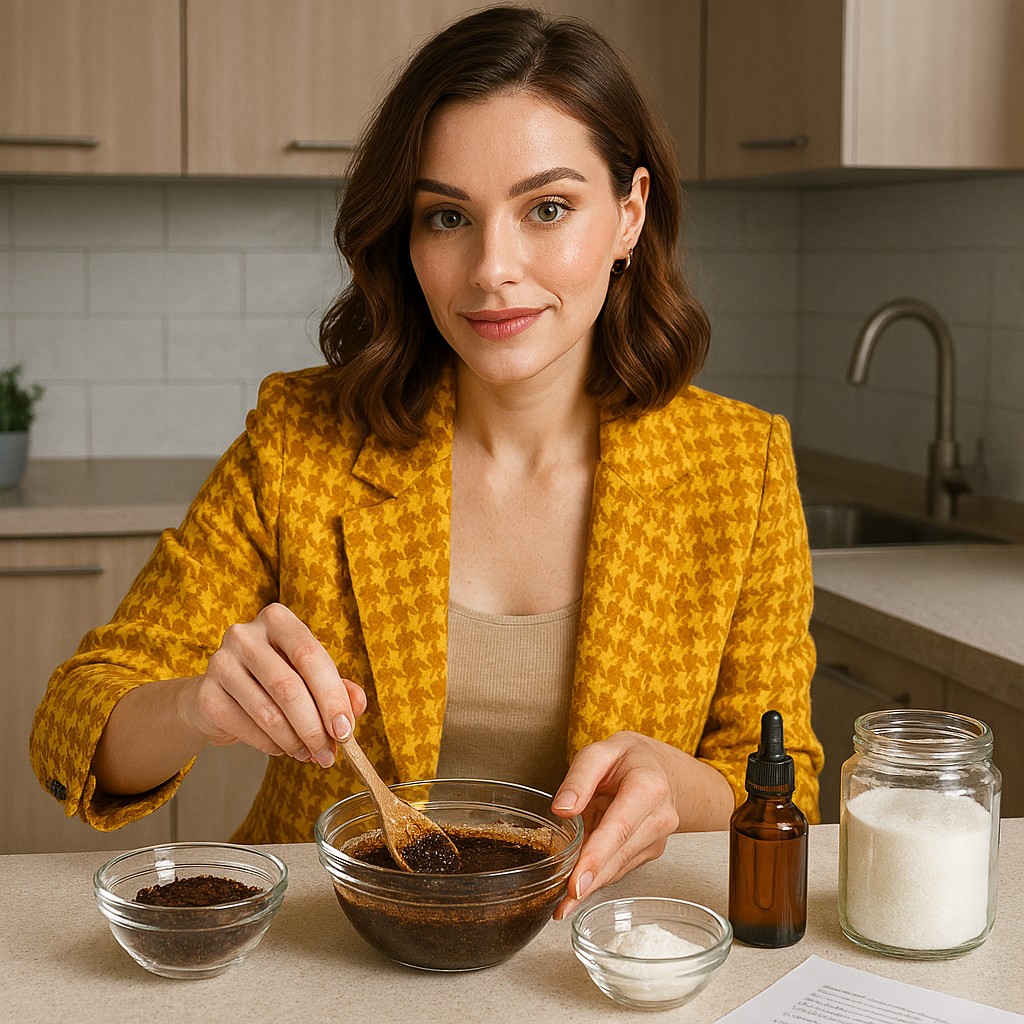
Three Detailed Recipes for a Coffee and Enzyme Scrub
These recipes are designed for both face and body, offering different benefits for various skin types. Each recipe is for a small batch, ensuring freshness and potency.
Recipe 1: Classic Coffee and Papaya Scrub
This is a powerful, all-purpose scrub that is perfect for a full-body exfoliation.
-
Prepare the base. In a sterilized bowl, measure 40g of finely-ground coffee.
-
Melt the butters. In a double boiler, melt 25g of shea butter and 20g of cocoa butter. Remove from heat once melted.
-
Add the oils. Add 10g of almond oil and 5g of emulsifying wax to the melted butters and stir until the wax is fully dissolved.
-
Cool and add enzymes. Let the mixture cool to room temperature (below 40°C). Add 5g of papain powder and mix thoroughly.
-
Add preservative and fragrance. Add 0.5g of a broad-spectrum preservative and a few drops of a cosmetic-grade essential oil (optional). Stir until fully blended.
-
Finalize the scrub. Add the ground coffee to the cooled mixture and stir with a spatula until everything is evenly combined. Transfer the scrub to a sterilized jar.
Recommendations for Use: Apply to damp skin in the shower. Gently massage in circular motions for a few minutes, then rinse off.
Storage: Store in a cool, dark place. The shelf life is approximately 3-6 months.
Recipe 2: Gentle Coffee and Pineapple Facial Scrub
This lighter formula is designed specifically for the delicate skin of the face, combining a gentle physical exfoliant with the anti-inflammatory power of bromelain.
-
Prepare the base. In a sterilized bowl, measure 15g of finely-ground coffee.
-
Melt the oil. In a double boiler, gently melt 20g of coconut oil. Remove from heat.
-
Mix with thickener. Add 10g of jojoba oil and 5g of emulsifying wax to the coconut oil and stir until the wax is fully dissolved.
-
Cool and add enzymes. Let the mixture cool to room temperature. Add 5g of bromelain powder and 5g of a liquid humectant like glycerin. Mix thoroughly.
-
Add preservative. Add 0.5g of a broad-spectrum preservative. Stir until blended.
-
Finalize the scrub. Add the ground coffee and stir until everything is evenly combined. Transfer to a sterilized jar.
Recommendations for Use: Apply a small amount to a clean, damp face. Gently massage for 1 minute, then let it sit for a few minutes to allow the enzymes to work before rinsing thoroughly.
Storage: Store in a cool, dark place. The shelf life is 3-6 months.
Recipe 3: Luxurious Coffee and Green Clay Scrub
This scrub is ideal for an intensive detox and exfoliation, leaving the skin feeling deeply purified and nourished.
-
Prepare the base. In a sterilized bowl, measure 30g of finely-ground coffee and 20g of green clay powder. Mix them together.
-
Melt the butters. In a double boiler, melt 30g of shea butter and 10g of avocado oil. Remove from heat.
-
Cool and add enzymes. Let the oil mixture cool to room temperature. Add 5g of papain powder. Stir until it is fully dispersed.
-
Add fragrance. Add a few drops of a skin-safe fragrance oil.
-
Finalize the scrub. Gradually add the oil mixture to the dry ingredients, mixing with a spatula until you have a thick, uniform paste. Transfer to a sterilized jar.
Recommendations for Use: Apply to damp skin, massaging in circular motions. The clay will create a slightly creamy texture. Rinse thoroughly.
Storage: Store in a cool, dark place. The shelf life is 3-6 months.
Advantages of a Homemade Scrub over Industrial Counterparts
Creating your own scrub with coffee and enzymes gives you control and quality that industrial products often lack.
-
Superior Ingredient Quality: You select every ingredient, from the fineness of the coffee grounds to the purity of the oils and enzymes. Commercial products often use low-quality abrasives and synthetic fillers.
-
Customization: You can tailor the formula to your specific needs. Use more gentle oils for sensitive skin, add specific essential oils for aromatherapy benefits, or adjust the concentration of enzymes for a deeper or milder exfoliation.
-
Freshness and Potency: Your scrub is made fresh, ensuring that the enzymes are at their peak activity. Commercial products can sit on shelves for months, during which the enzymes may lose their efficacy.
-
No Harsh Chemicals: Homemade scrubs are free from harsh chemical exfoliants, artificial dyes, and strong preservatives that can irritate the skin.
-
Cost-Effectiveness: While the initial investment in ingredients may seem high, the cost per use of a homemade scrub is significantly lower than that of high-end commercial products.
By mastering the art of creating a coffee and enzyme scrub, you're not just making a beauty product; you're crafting a superior, personalized exfoliating treatment that is both effective and a pleasure to use.


Cosmetic ingredients and professional formulation blog
This section features expert materials on modern cosmetic actives. We cover peptides, polynucleotides PDRN, different forms of hyaluronic acid, retinoids, ceramides and other key components.
Special focus is given to active stability, ingredient compatibility and correct incorporation into formulas. You will find practical guides on working with anti-age actives, moisturizing complexes and barrier repair ingredients.
We examine how to properly combine myorelaxants with peptides, common mistakes when using unstable vitamin C forms and ways to improve the performance of moisturizing actives.
Separate materials are dedicated to base oils, extracts, emulsifiers and supporting ingredients. This helps create stable and effective formulas for both professional and home cosmetics.
The blog regularly publishes reviews of trending actives, comparisons of similar ingredients and step-by-step formulation recommendations. The content is aimed at formulators, technologists and anyone seriously involved in creating cosmetic products.
Why this blog is useful
Here you will find practical data on eye area care actives, lifting systems and ingredients that improve skin firmness and tone. We rely on real formulation experience and address the actual challenges that arise during product development.
You can also explore materials on skin protection and repair, depigmentation and anti-inflammatory actives. This approach supports a more systematic selection of ingredients.
FAQ
What topics are covered most often
The blog focuses on peptides, PDRN, hyaluronic acid of different molecular weights, retinoids, ceramides and their compatibility rules.
Are there practical recommendations on how to incorporate actives
Yes, most articles include practical notes on pH stability, incorporation temperature and common formulation mistakes.
Is the content only for professionals
The materials are useful both for formulators and technologists and for those who create cosmetics for personal use and want to understand how modern ingredients work.
Where can I go directly to the ingredients
All key actives are collected in the Actives section, while base components are available in base oils and related categories.



