-
 DIY: Video master classes
-
 Aromatherapy
-
 Felting master classes
-
 Eating at home
-
 DIY cosmetics for children
-
 Cooking recipes
-
 Detergents, cleaning products with your own hands
-
 Soap making as a business
-
 Natural cosmetics. Raw materials for cosmetics and soap.
-
 Natural oils in cosmetics
-
 News
-
 Recipes for balms and conditioners
-
 Bath Bomb Recipes
-
 Cream recipes. Cream making.
-
 Lotion recipes. Gel recipes.
-
 Mask recipes
-
 Soap recipes. Base soap. Soap from scratch.
-
 Recipes for all occasions
-
 Natural shampoo recipes
-
 Healthy Nutrition Recipes
-
 Scrub recipes. Massage tiles. Ubtan
-
 DIY candles
-
 Reference materials, questions, tips
-
 Startup - soap production
-
 Hair care. Tips, recipes
-
 Facial skin care. Cleansers.
-
 Body care. Tips, recipes
-
 Photo Reviews
-
 Chocolate Handmade


Certification and registration of cosmetics in the EU and the USA: how to select raw materials to meet the requirements
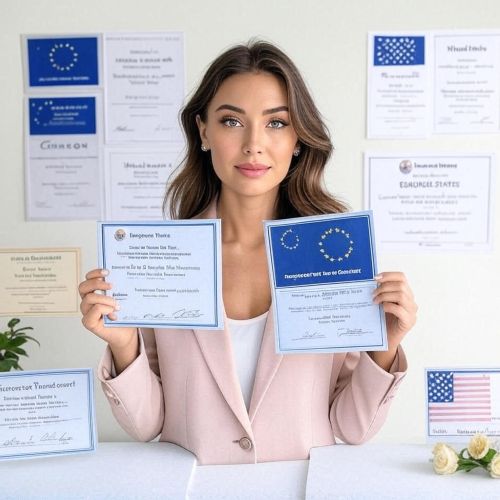 Navigating the world of cosmetic formulation is an exciting journey, but when you plan to sell your products, it's crucial to understand and comply with strict regulations. The two most significant markets, the European Union (EU) and the United States (USA), have different but equally stringent requirements for cosmetic safety and labeling. A key part of this process is selecting raw materials that meet these standards. Failing to do so can result in product recalls, fines, and damage to your brand's reputation. This article provides a comprehensive guide to understanding cosmetic regulations in the EU and USA, focusing on how to select raw materials that comply with the rules. We will also provide three recipes that use compliant ingredients, showcasing how to create safe and marketable products.
Understanding the Regulatory Landscape: EU vs. USA
The primary goal of cosmetic regulations in both the EU and the USA is to ensure consumer safety. However, they approach this goal with different philosophies.
The European Union (EU)
The EU's regulatory framework is governed by Regulation (EC) No 1223/2009. The EU operates on a pre-market approval system, which means that every cosmetic product must be evaluated for safety before it can be placed on the market.
-
Banned and Restricted Substances: The EU maintains a definitive list of ingredients that are either completely banned or restricted to certain concentrations. This list is extensive and includes over 1,300 substances.
-
Product Information File (PIF): For every product, a PIF must be compiled and kept readily available. This file includes detailed information about the product's safety assessment, manufacturing process, and a complete list of raw materials with their safety data.
-
Responsible Person: Every product sold in the EU must have a Responsible Person (an individual or company) based within the EU who is legally responsible for its compliance.
The United States (USA)
The US market is regulated by the Food Administration (FDA) under the Federal Food and Cosmetic Act (FD&C Act). The FDA operates on a post-market approval system.
-
No Pre-Market Approval: Cosmetic products and ingredients do not need pre-market FDA approval, with the exception of color additives. The manufacturer is responsible for ensuring the safety of their products.
-
Generally Recognized as Safe (GRAS): The FDA provides lists of ingredients that are generally recognized as safe for use. If you use a new ingredient, you are responsible for providing proof of its safety.
-
Labeling and Claims: The FDA has strict rules about what can be written on a product label. Claims that a cosmetic product can treat a disease or affect the structure or function of the body classify it which requires a separate and much stricter approval process.
Selecting Raw Materials for Compliance
Your choice of raw materials is the first and most critical step in ensuring regulatory compliance.
-
Check Banned Lists: For the EU market, it is essential to cross-reference every single ingredient against the EU's banned and restricted substance list. Even a trace amount of a banned substance can make your product illegal.
-
Request Documentation: Always request a Certificate of Analysis (COA) and a Safety Data Sheet (SDS) from your suppliers. These documents provide crucial information on the ingredient's purity, composition, and safety profile, which is required for your PIF in the EU.
-
Understand Purity Standards: Ingredients must be of cosmetic-grade purity. For example, a food-grade oil might contain impurities that are not suitable for skin application.
-
Source from Reputable Suppliers: Work with suppliers who are familiar with international cosmetic regulations and can provide the necessary documentation. This ensures you are not unknowingly purchasing a non-compliant ingredient.
-
Consider Preservatives: Preservatives are a key area of regulation. Some are banned, while others are restricted to specific concentrations. Ensure your preservative system is compliant with the regulations of your target market.
Three Recipes Using Compliant Ingredients for EU and USA Markets
These three recipes are formulated with ingredients that are generally accepted in both the EU and the USA, providing a solid foundation for your product line.
Recipe 1: Gentle Daily Face Moisturizer
This recipe uses a simple, well-documented set of ingredients that are accepted in both markets.
-
Prepare the water phase. In a sterilized beaker, weigh 65g of distilled water and 5g of vegetable glycerin. Heat this to 75°C.
-
Prepare the oil phase. In a separate beaker, combine 10g of jojoba oil, 10g of shea butter, and 5g of an emulsifying wax (Polawax). Heat to 75°C, stirring until melted.
-
Emulsify. Pour the water phase into the oil phase while mixing with a hand blender in short pulses until a smooth, thick emulsion forms.
-
Add a compliant preservative and an active. When the temperature drops below 40°C, add 2g of niacinamide and 1g of a broad-spectrum preservative like Geogard 221 (Benzyl Alcohol, Dehydroacetic Acid, Aqua). Stir well.
Compliance Notes: Niacinamide is widely accepted. Geogard 221 is a globally approved preservative system.
Recipe 2: Hydrating Hyaluronic Acid Serum
This serum uses a simple, water-based formula that is easy to keep compliant.
-
Prepare the gel base. In a sterilized beaker, weigh 95g of distilled water. Slowly sprinkle 1g of Hyaluronic Acid powder over the surface. Do not stir immediately; let the powder hydrate for about an hour until a clear gel forms.
-
Add a soothing active. Add 2g of Aloe Vera extract and 1g of Panthenol (Vitamin B5), both of which are widely compliant.
-
Add a compliant preservative. Add 1g of a preservative like Euxyl PE 9010 (Phenoxyethanol, Ethylhexylglycerin). Phenoxyethanol is on the EU's restricted list, with a maximum concentration of 1%, so this recipe falls well within the limits.
-
Package. Pour the finished serum into a clean dropper bottle.
Compliance Notes: Both Hyaluronic Acid and Panthenol are considered safe. Euxyl PE 9010 is a globally accepted preservative system.
Recipe 3: Nourishing Oil-Based Lip Balm
This simple, anhydrous formula avoids the complexities of a water phase, making compliance easier.
-
Prepare the base. In a heat-safe beaker, weigh 10g of Beeswax and 15g of Shea Butter. Gently melt them in a double boiler.
-
Add the oils. Once melted, add 15g of Sweet Almond Oil and 10g of Jojoba Oil. Stir until the mixture is uniform.
-
Add a vitamin. When the mixture is still liquid but has cooled slightly, add 1g of Vitamin E (Tocopherol), a widely accepted antioxidant.
-
Package. Pour the liquid balm into clean lip balm tubes or pots and let it solidify.
Compliance Notes: All ingredients in this recipe are on the GRAS (Generally Recognized as Safe) list in the USA and are widely accepted in the EU. Since there is no water, a preservative is not required.
Advantages Over Industrial Manufacturing
By taking a hands-on approach and carefully selecting your raw materials, you can create products that are superior to many industrial analogues.
-
Complete Transparency: You know every single ingredient that goes into your product. You can guarantee the purity and source of each raw material, which is something mass-market brands often cannot do.
-
Higher Purity and Potency: You can select cosmetic-grade, high-purity ingredients directly from reputable suppliers, ensuring your actives are working at their optimal potency. Many industrial products use lower-grade ingredients to cut costs.
-
Avoidance of Prohibited Substances: By meticulously checking your raw materials, you can guarantee that your products are free of any banned or restricted substances, ensuring full compliance and peace of mind.
-
Tailored Formulations: You have the freedom to create unique, specialized formulas that meet the needs of a specific customer base, without the need for the fillers and low-cost ingredients often found in mass-market products.
Creating safe and compliant cosmetic products is a journey of meticulous attention to detail. By understanding the regulations of your target market and diligently selecting your raw materials, you lay the foundation for a successful and ethical brand that can grow on a global scale.


Cosmetic ingredients and professional formulation blog
This section features expert materials on modern cosmetic actives. We cover peptides, polynucleotides PDRN, different forms of hyaluronic acid, retinoids, ceramides and other key components.
Special focus is given to active stability, ingredient compatibility and correct incorporation into formulas. You will find practical guides on working with anti-age actives, moisturizing complexes and barrier repair ingredients.
We examine how to properly combine myorelaxants with peptides, common mistakes when using unstable vitamin C forms and ways to improve the performance of moisturizing actives.
Separate materials are dedicated to base oils, extracts, emulsifiers and supporting ingredients. This helps create stable and effective formulas for both professional and home cosmetics.
The blog regularly publishes reviews of trending actives, comparisons of similar ingredients and step-by-step formulation recommendations. The content is aimed at formulators, technologists and anyone seriously involved in creating cosmetic products.
Why this blog is useful
Here you will find practical data on eye area care actives, lifting systems and ingredients that improve skin firmness and tone. We rely on real formulation experience and address the actual challenges that arise during product development.
You can also explore materials on skin protection and repair, depigmentation and anti-inflammatory actives. This approach supports a more systematic selection of ingredients.
FAQ
What topics are covered most often
The blog focuses on peptides, PDRN, hyaluronic acid of different molecular weights, retinoids, ceramides and their compatibility rules.
Are there practical recommendations on how to incorporate actives
Yes, most articles include practical notes on pH stability, incorporation temperature and common formulation mistakes.
Is the content only for professionals
The materials are useful both for formulators and technologists and for those who create cosmetics for personal use and want to understand how modern ingredients work.
Where can I go directly to the ingredients
All key actives are collected in the Actives section, while base components are available in base oils and related categories.



