-
 DIY: Video master classes
-
 Aromatherapy
-
 Felting master classes
-
 Eating at home
-
 DIY cosmetics for children
-
 Cooking recipes
-
 Detergents, cleaning products with your own hands
-
 Soap making as a business
-
 Natural cosmetics. Raw materials for cosmetics and soap.
-
 Natural oils in cosmetics
-
 News
-
 Recipes for balms and conditioners
-
 Bath Bomb Recipes
-
 Cream recipes. Cream making.
-
 Lotion recipes. Gel recipes.
-
 Mask recipes
-
 Soap recipes. Base soap. Soap from scratch.
-
 Recipes for all occasions
-
 Natural shampoo recipes
-
 Healthy Nutrition Recipes
-
 Scrub recipes. Massage tiles. Ubtan
-
 DIY candles
-
 Reference materials, questions, tips
-
 Startup - soap production
-
 Hair care. Tips, recipes
-
 Facial skin care. Cleansers.
-
 Body care. Tips, recipes
-
 Photo Reviews
-
 Chocolate Handmade


Lipstick with mineral pigment: create your own unique color!
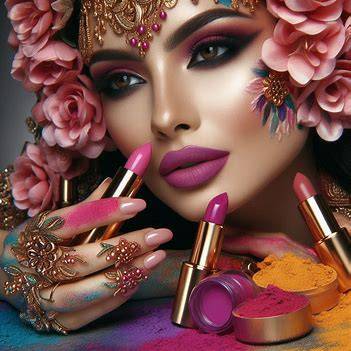 Gone are the days of being limited to store-bought lipstick shades. Embrace your creativity and craft a bespoke lip color that perfectly complements your style with lipstick with mineral pigment. This innovative product empowers you to become your own makeup maestro, offering endless possibilities for personalization.
What is Lipstick with Mineral Pigment?
Unlike traditional lipsticks that rely on synthetic dyes, lipstick with mineral pigment utilizes naturally occurring minerals to create color. These minerals, like iron oxides and mica, offer a range of vibrant hues while being gentle on your lips. Additionally, some mineral pigment lipsticks are formulated with nourishing ingredients like shea butter and coconut oil, keeping your lips hydrated and comfortable throughout the day.
Why Choose Mineral Pigment Lipstick?
- Customization: The magic lies in the ability to mix and match different mineral pigment shades to create your own unique lip color. Experiment with boldness or go for subtle hues, the choice is entirely yours!
- Natural Ingredients: Mineral pigments are derived from nature, making them a great option for those with sensitive skin or who prefer a more natural approach to makeup.
- Lightweight Feel: Unlike traditional lipsticks that can feel heavy, mineral pigment lipsticks typically have a lightweight, comfortable feel that allows your lips to breathe.
- Vibrant Color Payoff: Don't be fooled by the natural origin – mineral pigments deliver rich, long-lasting color that stays true throughout the day.
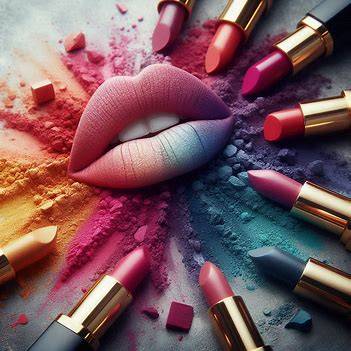 Creating Your Signature Shade:
Now comes the fun part – crafting your personalized lip color! Here's a basic guide to get you started:
- Gather Your Supplies: You'll need mineral pigment powders in your desired color palette, a lip balm or carrier oil, a small mixing container (a clean makeup palette works well), and a lip brush.
- Start Simple: Begin with a small amount of each pigment powder, as a little goes a long way. You can always add more for a more intense color.
- Mix and Match: Experiment with different combinations of pigments to achieve your desired shade.
- Bind It Together: Once you're happy with the color, add a small amount of lip balm or carrier oil to bind the pigments together. The amount will depend on the desired consistency, so start with a little and add more as needed.
- Test and Refine: Apply a small amount of your creation to your lips to test the color and adjust as needed.
Tips for Success:
- Research: Familiarize yourself with the properties of different mineral pigments. For instance, red iron oxide creates a bold red hue, while titanium dioxide adds a white base for lighter shades.
- Hygiene is Key: Use sanitized tools and containers to avoid contamination.
- Small Batches: Start with small batches to avoid wasting product. Remember, you can always create more later!
- Label Your Creations: Keep track of your successful color combinations by labeling your creations.
Embrace the Journey of Discovery
Creating your own lipstick with mineral pigment is an exciting journey that allows you to express your individuality through makeup. Don't be afraid to experiment, have fun, and unleash your inner makeup artist!
"


Cosmetic ingredients and professional formulation blog
This section features expert materials on modern cosmetic actives. We cover peptides, polynucleotides PDRN, different forms of hyaluronic acid, retinoids, ceramides and other key components.
Special focus is given to active stability, ingredient compatibility and correct incorporation into formulas. You will find practical guides on working with anti-age actives, moisturizing complexes and barrier repair ingredients.
We examine how to properly combine myorelaxants with peptides, common mistakes when using unstable vitamin C forms and ways to improve the performance of moisturizing actives.
Separate materials are dedicated to base oils, extracts, emulsifiers and supporting ingredients. This helps create stable and effective formulas for both professional and home cosmetics.
The blog regularly publishes reviews of trending actives, comparisons of similar ingredients and step-by-step formulation recommendations. The content is aimed at formulators, technologists and anyone seriously involved in creating cosmetic products.
Why this blog is useful
Here you will find practical data on eye area care actives, lifting systems and ingredients that improve skin firmness and tone. We rely on real formulation experience and address the actual challenges that arise during product development.
You can also explore materials on skin protection and repair, depigmentation and anti-inflammatory actives. This approach supports a more systematic selection of ingredients.
FAQ
What topics are covered most often
The blog focuses on peptides, PDRN, hyaluronic acid of different molecular weights, retinoids, ceramides and their compatibility rules.
Are there practical recommendations on how to incorporate actives
Yes, most articles include practical notes on pH stability, incorporation temperature and common formulation mistakes.
Is the content only for professionals
The materials are useful both for formulators and technologists and for those who create cosmetics for personal use and want to understand how modern ingredients work.
Where can I go directly to the ingredients
All key actives are collected in the Actives section, while base components are available in base oils and related categories.



