-
 DIY: Video master classes
-
 Aromatherapy
-
 Felting master classes
-
 Eating at home
-
 DIY cosmetics for children
-
 Cooking recipes
-
 Detergents, cleaning products with your own hands
-
 Soap making as a business
-
 Natural cosmetics. Raw materials for cosmetics and soap.
-
 Natural oils in cosmetics
-
 News
-
 Recipes for balms and conditioners
-
 Bath Bomb Recipes
-
 Cream recipes. Cream making.
-
 Lotion recipes. Gel recipes.
-
 Mask recipes
-
 Soap recipes. Base soap. Soap from scratch.
-
 Recipes for all occasions
-
 Natural shampoo recipes
-
 Healthy Nutrition Recipes
-
 Scrub recipes. Massage tiles. Ubtan
-
 DIY candles
-
 Reference materials, questions, tips
-
 Startup - soap production
-
 Hair care. Tips, recipes
-
 Facial skin care. Cleansers.
-
 Body care. Tips, recipes
-
 Photo Reviews
-
 Chocolate Handmade


Food flavorings: overview of types and applications
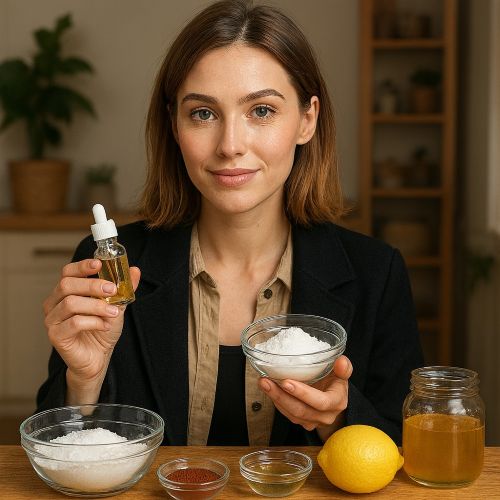 The use of food flavorings has evolved far beyond the boundaries of the kitchen. Today these aromatic compounds play a vital role in both culinary arts and the creation of natural cosmetic products such as lip balms and oral care items. Understanding the diversity of food flavorings and their specific applications is essential for anyone looking to create high quality safe and effective products. By choosing food grade components you ensure a level of safety that industrial synthetic fragrances often cannot match.
In this comprehensive review we will examine the different categories of flavorings explore the technical nuances of their preparation and provide practical recipes for both cosmetic and culinary use. Mastering these applications allows for the creation of unique sensory experiences that are both healthy and sustainable.
Classification and Types of Food Flavorings
Food flavorings are generally categorized based on their origin and the method of extraction. Each type has specific properties that dictate its best use in different formulations.
Natural flavorings are derived entirely from plant or animal sources. These include essential oils oleoresins and extracts obtained through physical processes like distillation or solvent extraction. They offer the most authentic taste and smell profile but can be sensitive to high temperatures.
Nature identical flavorings are chemically synthesized to be identical in molecular structure to the compounds found in nature. These are often more stable and cost effective while maintaining the same safety profile as their natural counterparts.
Artificial flavorings are entirely man made molecules created to mimic a specific flavor. While they are highly potent and stable they are less commonly used by those seeking a more natural or holistic approach to product creation.
Nuances of Preparation and Dosing
The key to successful application of food flavorings lies in the precision of the dosage. Because these substances are highly concentrated even a single drop can drastically change the profile of a product. In cosmetics using too much flavoring can cause skin irritation or lead to a bitter taste in lip products.
When preparing mixtures it is important to consider the base material. Oil based flavorings are ideal for lip balms and candles while alcohol or propylene glycol based extracts work best in aqueous solutions or baking. Always add flavorings at the final stage of the cooling process to prevent the volatile aromatic molecules from evaporating due to excessive heat.
Advantages of Food Grade Flavorings Over Industrial Analogs
The primary advantage of using food grade flavorings in cosmetics is safety. Since these ingredients are cleared for ingestion they are significantly safer for products used on the lips or around the mouth than industrial fragrance oils which often contain phthalates and harsh solvents.
Furthermore food flavorings offer a more nuanced and realistic scent profile. While industrial perfumes often smell chemical or artificial food grade extracts like real vanilla or almond oil provide a rich multi dimensional aroma. They are also more environmentally friendly as they are typically biodegradable and derived from renewable biological sources.
Recipe One Natural Honey and Vanilla Lip Balm
This cosmetic recipe uses food grade flavorings to create a safe hydrating and delicious lip treatment.
Ingredients Twenty grams of beeswax fifteen grams of coconut oil ten grams of shea butter five drops of natural vanilla extract and two drops of honey flavoring.
Step One Combine the beeswax coconut oil and shea butter in a heat resistant glass container. Step Two Melt the mixture using a water bath on low heat until the liquid is completely clear and homogeneous. Step Three Remove the container from the heat and allow the base to cool slightly until it begins to thicken at the edges. Step Four Add the vanilla extract and honey flavoring stirring gently with a glass rod for one minute to ensure even distribution. Step Five Pour the liquid into small cosmetic tins or tubes before it solidifies completely. Step Six Let the balm rest at room temperature for at least four hours to ensure a smooth and stable texture.
Recipe Two Gourmet Citrus and Ginger Infused Oil
This culinary application demonstrates how to create a high quality flavored oil for dressing and cooking.
Ingredients Two hundred fifty milliliters of extra virgin olive oil peel of one organic lemon and ten milliliters of ginger flavoring extract.
Step One Wash and dry the lemon peel thoroughly to ensure no moisture enters the oil which could lead to spoilage. Step Two Place the lemon peel in a clean sterilized glass bottle. Step Three Pour the olive oil over the peel until the bottle is nearly full. Step Four Add the ginger flavoring extract to the oil and seal the bottle tightly. Step Five Shake the bottle gently to mix the flavors and store it in a cool dark place. Step Six Allow the flavors to infuse for at least forty eight hours before use to achieve maximum aromatic intensity.
Recipe Three Aromatic Berry Bath and Body Oil
A cosmetic application that utilizes the skin safe properties of food flavorings for full body relaxation.
Ingredients One hundred milliliters of sweet almond oil twenty milliliters of jojoba oil ten drops of food grade strawberry flavoring and five drops of raspberry flavoring.
Step One Measure the almond oil and jojoba oil into a dark glass bottle. Step Two Add the strawberry and raspberry food flavorings directly into the oil base. Step Three Secure the cap and roll the bottle between your palms for two minutes to blend the oils without creating excess air bubbles. Step Four Check the intensity of the scent by applying a small drop to the back of your hand. Step Five If a stronger aroma is desired add flavoring one drop at a time and repeat the mixing process. Step Six Store the finished oil in a cool dark cabinet to prevent the natural oils from oxidizing over time.
Detailed Recommendations for Use and Storage
To maintain the potency and safety of food flavorings proper storage is essential. These compounds are highly volatile and sensitive to environmental factors.
Always store flavoring extracts in dark glass containers. Light can degrade the molecular structure of the flavorings leading to a loss of aroma and a change in color. Keep the bottles tightly sealed to prevent evaporation and oxidation.
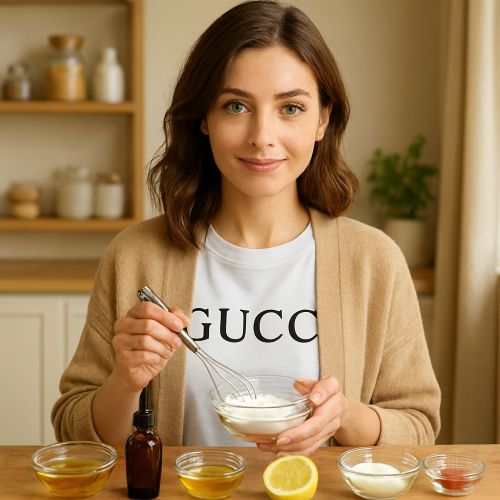
The ideal storage temperature is between fifteen and twenty degrees Celsius. Exposure to extreme heat or frequent temperature fluctuations will significantly shorten the shelf life of the products. For culinary flavorings ensure they are kept away from the stove or other heat sources in the kitchen.
When using flavorings in cosmetics always perform a small patch test on the skin to ensure no allergic reaction occurs. Even though they are food grade some individuals may be sensitive to specific plant extracts or synthetic compounds used in the flavoring.
Conclusion and Future Trends
Food flavorings represent a bridge between professional culinary standards and high end natural cosmetics. Their versatility allows for creative freedom while their safety profile provides peace of mind for the consumer. As the demand for clean beauty and transparent labeling grows the use of food grade components in cosmetic formulations is expected to become a dominant trend.
By following the recipes and technical guidelines provided in this guide you can create products that are not only effective but also a joy to use. The careful selection of flavorings and the mastery of their application will set your creations apart from mass produced industrial items.


Cosmetic ingredients and professional formulation blog
This section features expert materials on modern cosmetic actives. We cover peptides, polynucleotides PDRN, different forms of hyaluronic acid, retinoids, ceramides and other key components.
Special focus is given to active stability, ingredient compatibility and correct incorporation into formulas. You will find practical guides on working with anti-age actives, moisturizing complexes and barrier repair ingredients.
We examine how to properly combine myorelaxants with peptides, common mistakes when using unstable vitamin C forms and ways to improve the performance of moisturizing actives.
Separate materials are dedicated to base oils, extracts, emulsifiers and supporting ingredients. This helps create stable and effective formulas for both professional and home cosmetics.
The blog regularly publishes reviews of trending actives, comparisons of similar ingredients and step-by-step formulation recommendations. The content is aimed at formulators, technologists and anyone seriously involved in creating cosmetic products.
Why this blog is useful
Here you will find practical data on eye area care actives, lifting systems and ingredients that improve skin firmness and tone. We rely on real formulation experience and address the actual challenges that arise during product development.
You can also explore materials on skin protection and repair, depigmentation and anti-inflammatory actives. This approach supports a more systematic selection of ingredients.
FAQ
What topics are covered most often
The blog focuses on peptides, PDRN, hyaluronic acid of different molecular weights, retinoids, ceramides and their compatibility rules.
Are there practical recommendations on how to incorporate actives
Yes, most articles include practical notes on pH stability, incorporation temperature and common formulation mistakes.
Is the content only for professionals
The materials are useful both for formulators and technologists and for those who create cosmetics for personal use and want to understand how modern ingredients work.
Where can I go directly to the ingredients
All key actives are collected in the Actives section, while base components are available in base oils and related categories.



