-
 DIY: Video master classes
-
 Aromatherapy
-
 Felting master classes
-
 Eating at home
-
 DIY cosmetics for children
-
 Cooking recipes
-
 Detergents, cleaning products with your own hands
-
 Soap making as a business
-
 Natural cosmetics. Raw materials for cosmetics and soap.
-
 Natural oils in cosmetics
-
 News
-
 Recipes for balms and conditioners
-
 Bath Bomb Recipes
-
 Cream recipes. Cream making.
-
 Lotion recipes. Gel recipes.
-
 Mask recipes
-
 Soap recipes. Base soap. Soap from scratch.
-
 Recipes for all occasions
-
 Natural shampoo recipes
-
 Healthy Nutrition Recipes
-
 Scrub recipes. Massage tiles. Ubtan
-
 DIY candles
-
 Reference materials, questions, tips
-
 Startup - soap production
-
 Hair care. Tips, recipes
-
 Facial skin care. Cleansers.
-
 Body care. Tips, recipes
-
 Photo Reviews
-
 Chocolate Handmade


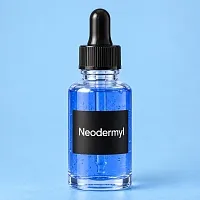
PDRN and polynucleotides: what they are, how they work, and whether they should be used in homemade cosmetics
 Polydeoxyribonucleotides, commonly known as PDRN, represent specific low-molecular-weight DNA fragments derived primarily from salmonid germ cells. These nucleotide chains closely resemble human DNA structure, ensuring high biocompatibility and minimal risk of immunological reactions. Polynucleotides act as substrate material for cellular salvage pathways, providing nucleotides necessary for nucleic acid synthesis and structural tissue repair.
At the cellular level, PDRN functions primarily through the activation of purinergic A2A adenosine receptors. Stimulation of these receptors triggers a signaling cascade that reduces inflammatory cytokines, accelerates angiogenesis, and stimulates fibroblast proliferation. By promoting microcirculation and accelerating extracellular matrix synthesis, polynucleotides repair damaged DNA, restore impaired barrier function, and enhance skin elasticity from within the deeper layers of the dermis.
Physiological Benefits and Anti-Aging Mechanics
The therapeutic value of PDRN in dermatological formulations lies in its ability to address structural cellular damage caused by chronic inflammation, ultraviolet exposure, and metabolic aging. Unlike traditional moisturizers that act strictly on the skin surface, polynucleotides enter cellular metabolic processes to initiate genuine structural restoration.
Regular application of PDRN-infused formulations stimulates the endogenous synthesis of type one and type three collagen, elastin, and native hyaluronic acid. This leads to visible thickening of the epidermal and dermal layers, improved moisture retention, accelerated wound healing, and reduction of hyperpigmentation caused by post-inflammatory erythema or sun damage. Polynucleotides provide comprehensive anti-stress, anti-inflammatory, and restorative benefits for compromised, thinning, or mature skin types.
Technical Compounding Rules and Formulation Pitfalls
Integrating PDRN into custom cosmetics requires strict adherence to thermal limits, pH parameters, and solubility rules. Polynucleotide molecules are thermo-labile macromolecules. Exposing PDRN to temperatures exceeding forty degrees Celsius degrades the nucleotide chains, breaking down the specific structural fragments required to bind purinergic receptors effectively and diminishing its biological potency.
A primary technical mistake in formulating with PDRN is adding the active component directly into hot emulsions or mixing it with high concentrations of strong acids, such as glycolic or ascorbic acid below pH four point zero. Acidic environments and thermal stress denature the DNA fragments. PDRN must always be dissolved in the cool-down water phase at temperatures below thirty-five degrees Celsius while maintaining a final formula pH between five point five and six point five to preserve maximum stability and cellular activity.
Distinct Advantages of Custom PDRN Formulations Over Mass Market Products
Commercial cosmetics advertising PDRN often utilize trace concentrations of the ingredient solely for marketing appeal. Many mass-produced creams contain less than one-hundredth of a percent of polynucleotides, which is insufficient to trigger A2A adenosine receptor activation or induce collagen synthesis. Furthermore, mass market products regularly incorporate heavy synthetic silicones, mineral oil bases, and aggressive preservatives that clog pores and impede active molecule penetration.
Formulating custom skincare allows for the inclusion of clinically validated, therapeutic dosages of pure PDRN ranging from one to three percent. Paired with bio-compatible bases like organic hydrosols, low-molecular-weight hyaluronic acid, and plant squalane, custom formulations ensure deep active delivery without synthetic barriers. This approach yields maximum physiological impact, pure composition, and superior skin regeneration.
Sanitation Standards and Equipment Sterilization
Working with biological actives such as DNA fragments demands rigorous sanitation practices to eliminate microbial contamination. Because custom formulations avoid aggressive broad-spectrum industrial preservatives, strict hygienic discipline protects the integrity of the actives and prevents bacterial growth.
Thoroughly disinfect all work surfaces using a broad-spectrum sanitizer before beginning. Wash hands thoroughly and put on sterile nitrile gloves. All glass equipment, stirring rods, micro-whisks, precision scales, and dark glass packaging must be washed, rinsed with distilled water, and treated with a seventy percent isopropyl alcohol solution. Allow all tools to air-dry completely on fresh paper towels rather than cloth materials to avoid introducing microscopic fibers or pathogens.
Recipe First Cellular Repair PDRN Serum with Hyaluronic Acid
An intensive liquid serum formulated to deeply hydrate, stimulate cellular DNA repair, and calm systemic skin inflammation.
Composition thirty-three milliliters organic rose hydrosol one and a half milliliters active PDRN solution half a gram low-molecular-weight hyaluronic acid powder one gram provitamin B5 panthenol powder one milliliter vegetable glycerin one milliliter broad-spectrum eco preservative
Preparation Step first Sanitize heat-safe glass beakers, glass stirring rods, digital scale, and a dark glass dropper bottle with isopropyl alcohol. Step second Measure thirty-three milliliters of organic rose hydrosol into a glass beaker and dissolve the vegetable glycerin and panthenol powder completely. Step third Sprinkle low-molecular-weight hyaluronic acid powder evenly over the liquid surface and allow fifteen minutes for full hydration. Step fourth Stir the mixture gently with a glass rod until a uniform, crystal-clear gel structure develops. Step fifth Verify that the temperature of the gel base is below thirty-five degrees Celsius, then gently stir in the active PDRN solution. Step sixth Add the broad-spectrum eco preservative and mix the solution continuously for two minutes. Step seventh Pour the completed serum into your sanitized dark glass dropper bottle and seal tightly.

Recipe Second Polynucleotide Restorative Lamellar Fluid with Peptides
A silky, highly bio-compatible fluid designed to strengthen the lipid barrier, rebuild dermal density, and smooth fine lines.
Composition thirty-two milliliters organic lavender hydrosol two milliliters active PDRN solution one and a half milliliters matrikin peptide complex three milliliters plant-derived squalane two milliliters jojoba oil two and a half grams natural lamellar emulsifier one milliliter broad-spectrum eco preservative
Preparation Step first Disinfect all glass beakers, measuring tools, mini whisk, and an airless pump container using isopropyl alcohol. Step second Measure thirty-two milliliters of organic lavender hydrosol into the first heat-safe glass beaker to form the water phase. Step third Combine plant-derived squalane, jojoba oil, and natural lamellar emulsifier in a second heat-safe beaker to create the oil phase. Step fourth Heat both beakers in a gentle water bath until reaching seventy degrees Celsius and the emulsifier melts fully. Step fifth Pour the hot water phase into the oil phase while blending rapidly with a mini whisk until a smooth emulsion forms. Step sixth Allow the fluid to cool down completely below thirty-five degrees Celsius, then blend in the active PDRN solution, matrikin peptide complex, and broad-spectrum eco preservative. Step seventh Mix thoroughly with a glass rod and transfer the fluid into your sanitized airless pump bottle.
Recipe Third Soothing Anti-Stress Tonic with PDRN and Niacinamide
A light, soothing toner crafted to restore natural surface pH, decrease redness, and accelerate barrier recovery after cleansing.
Composition thirty-six milliliters organic chamomile hydrosol one milliliter active PDRN solution one gram niacinamide powder half a gram pure allantoin powder one milliliter vegetable glycerin one milliliter broad-spectrum eco preservative
Preparation Step first Thoroughly sanitize glass beakers, stirring rod, digital scale, and a fine mist spray bottle with isopropyl alcohol. Step second Measure thirty-six milliliters of organic chamomile hydrosol into the glass beaker and add the vegetable glycerin. Step third Add the niacinamide powder and allantoin powder, stirring steadily with a glass rod until all crystals dissolve completely. Step fourth Add the active PDRN solution into the liquid mixture and stir gently for one minute. Step fifth Incorporate the broad-spectrum eco preservative and blend the toner thoroughly. Step sixth Test the pH of the liquid using calibrated indicator strips, confirming a level between five point five and six point zero. Step seventh Pour the finished tonic into your sanitized spray bottle and secure the cap.
Application Guidelines and Daily Skincare Integration
Custom PDRN formulations are designed for daily use during morning and evening skincare routines. Apply products to thoroughly cleansed skin across the face, neck, and upper chest using light pressing motions.
Spray the soothing tonic immediately after cleansing to restore optimal surface pH and prep the tissue for active absorption. Follow with the cellular serum or lamellar fluid applied directly to slightly damp skin. PDRN pairs exceptionally well with hyaluronic acid, peptides, ceramides, niacinamide, and squalane. When using strong chemical exfoliants or retinoids, apply PDRN formulations twenty minutes after the treatment phase to calm irritation, prevent surface peeling, and speed up barrier restoration. Visible gains in skin tone, smoothness, and hydration typically appear within three weeks of consistent daily application.
Storage Conditions and Product Preservation
Maintaining proper storage parameters preserves the structural stability of nucleotide chains and active peptides throughout their usage period. Polynucleotides are highly sensitive to thermal fluctuations, ambient humidity, and direct UV light exposure.
Store all finished serums, fluids, and tonics in airtight dark glass containers or opaque airless pump bottles in a dark, cool environment or on a middle shelf in a dedicated skincare refrigerator at steady temperatures between eight and fifteen degrees Celsius. Keep containers securely closed and avoid storing formulations in warm, humid bathrooms. When prepared following strict hygiene protocols and kept under cool conditions, custom PDRN formulations maintain full biological potency for two to three months.


Cosmetic ingredients and professional formulation blog
This section features expert materials on modern cosmetic actives. We cover peptides, polynucleotides PDRN, different forms of hyaluronic acid, retinoids, ceramides and other key components.
Special focus is given to active stability, ingredient compatibility and correct incorporation into formulas. You will find practical guides on working with anti-age actives, moisturizing complexes and barrier repair ingredients.
We examine how to properly combine myorelaxants with peptides, common mistakes when using unstable vitamin C forms and ways to improve the performance of moisturizing actives.
Separate materials are dedicated to base oils, extracts, emulsifiers and supporting ingredients. This helps create stable and effective formulas for both professional and home cosmetics.
The blog regularly publishes reviews of trending actives, comparisons of similar ingredients and step-by-step formulation recommendations. The content is aimed at formulators, technologists and anyone seriously involved in creating cosmetic products.
Why this blog is useful
Here you will find practical data on eye area care actives, lifting systems and ingredients that improve skin firmness and tone. We rely on real formulation experience and address the actual challenges that arise during product development.
You can also explore materials on skin protection and repair, depigmentation and anti-inflammatory actives. This approach supports a more systematic selection of ingredients.
FAQ
What topics are covered most often
The blog focuses on peptides, PDRN, hyaluronic acid of different molecular weights, retinoids, ceramides and their compatibility rules.
Are there practical recommendations on how to incorporate actives
Yes, most articles include practical notes on pH stability, incorporation temperature and common formulation mistakes.
Is the content only for professionals
The materials are useful both for formulators and technologists and for those who create cosmetics for personal use and want to understand how modern ingredients work.
Where can I go directly to the ingredients
All key actives are collected in the Actives section, while base components are available in base oils and related categories.