-
 DIY: Video master classes
-
 Aromatherapy
-
 Felting master classes
-
 Eating at home
-
 DIY cosmetics for children
-
 Cooking recipes
-
 Detergents, cleaning products with your own hands
-
 Soap making as a business
-
 Natural cosmetics. Raw materials for cosmetics and soap.
-
 Natural oils in cosmetics
-
 News
-
 Recipes for balms and conditioners
-
 Bath Bomb Recipes
-
 Cream recipes. Cream making.
-
 Lotion recipes. Gel recipes.
-
 Mask recipes
-
 Soap recipes. Base soap. Soap from scratch.
-
 Recipes for all occasions
-
 Natural shampoo recipes
-
 Healthy Nutrition Recipes
-
 Scrub recipes. Massage tiles. Ubtan
-
 DIY candles
-
 Reference materials, questions, tips
-
 Startup - soap production
-
 Hair care. Tips, recipes
-
 Facial skin care. Cleansers.
-
 Body care. Tips, recipes
-
 Photo Reviews
-
 Chocolate Handmade


Swelling on the face and body: how to combat it with the help of cosmetic components?
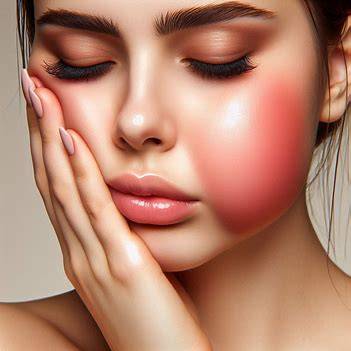 Waking up to a puffy face or feeling swollen after a long day can be frustrating. The good news is, you can combat this with readily available ingredients and a touch of DIY magic! Here, we explore the causes of swelling and unveil two effective recipes using calming cosmetic ingredients:
Understanding the Puffiness:
Facial and body swelling can arise from various factors, including:
- Allergies: Food allergies, environmental irritants, or reactions to skincare products can trigger inflammation and fluid build-up.
- Dehydration: When your body lacks water, it holds onto fluids, leading to puffiness.
- Inflammation: An injury, insect bite, or even sunburn can cause localized swelling.
- Hormonal fluctuations: Women might experience facial puffiness during their menstrual cycle.
- Excessive sodium intake: Salty foods can cause fluid retention, resulting in a bloated appearance.
DIY Solutions for a Refreshed You:
While these recipes offer relief, it's crucial to address the underlying cause of swelling. If the puffiness persists or worsens, consult a healthcare professional.
Recipe 1: Cooling Cucumber Toner (for facial swelling)
-
Ingredients:
- 1/2 cup chilled cucumber slices
- 1/4 cup witch hazel (astringent properties)
- 2 tablespoons rosewater(soothing and hydrating)
-
Instructions:
- Blend the cucumber slices into a smooth puree.
- Strain the puree to remove pulp.
- In a clean container, combine the cucumber juice with witch hazel and rosewater.
- Store the toner in the refrigerator for up to a week.
- Apply chilled toner to your face with a cotton pad, focusing on puffy areas. Leave on for 15 minutes and rinse with cool water.
 Recipe 2: Detoxifying Clay Mask (for body swelling)
-
Ingredients:
- 2 tablespoons French green clay (absorbs excess fluids)
- 1 tablespoon apple cider vinegar (anti-inflammatory)
- 1 tablespoon plain yogurt (soothing and cooling)
- 1 teaspoon honey (moisturizing)
-
Instructions:
- In a non-metallic bowl, whisk together the clay, apple cider vinegar, yogurt, and honey until a smooth paste forms.
- Apply the mask generously to swollen areas on your body, avoiding sensitive skin.
- Leave the mask on for 15-20 minutes, until slightly dry.
- Rinse thoroughly with lukewarm water. Pat your skin dry and apply a moisturizer.
Remember: Patch test any new ingredient on your inner arm before applying it to your face or body. Discontinue use if irritation occurs.
Bonus Tip: Elevate your head slightly while sleeping to promote drainage and reduce morning puffiness.
By incorporating these DIY solutions and addressing the root cause, you can effectively combat swelling and restore a radiant, refreshed look!


Cosmetic ingredients and professional formulation blog
This section features expert materials on modern cosmetic actives. We cover peptides, polynucleotides PDRN, different forms of hyaluronic acid, retinoids, ceramides and other key components.
Special focus is given to active stability, ingredient compatibility and correct incorporation into formulas. You will find practical guides on working with anti-age actives, moisturizing complexes and barrier repair ingredients.
We examine how to properly combine myorelaxants with peptides, common mistakes when using unstable vitamin C forms and ways to improve the performance of moisturizing actives.
Separate materials are dedicated to base oils, extracts, emulsifiers and supporting ingredients. This helps create stable and effective formulas for both professional and home cosmetics.
The blog regularly publishes reviews of trending actives, comparisons of similar ingredients and step-by-step formulation recommendations. The content is aimed at formulators, technologists and anyone seriously involved in creating cosmetic products.
Why this blog is useful
Here you will find practical data on eye area care actives, lifting systems and ingredients that improve skin firmness and tone. We rely on real formulation experience and address the actual challenges that arise during product development.
You can also explore materials on skin protection and repair, depigmentation and anti-inflammatory actives. This approach supports a more systematic selection of ingredients.
FAQ
What topics are covered most often
The blog focuses on peptides, PDRN, hyaluronic acid of different molecular weights, retinoids, ceramides and their compatibility rules.
Are there practical recommendations on how to incorporate actives
Yes, most articles include practical notes on pH stability, incorporation temperature and common formulation mistakes.
Is the content only for professionals
The materials are useful both for formulators and technologists and for those who create cosmetics for personal use and want to understand how modern ingredients work.
Where can I go directly to the ingredients
All key actives are collected in the Actives section, while base components are available in base oils and related categories.



