-
 DIY: Video master classes
-
 Aromatherapy
-
 Felting master classes
-
 Eating at home
-
 DIY cosmetics for children
-
 Cooking recipes
-
 Detergents, cleaning products with your own hands
-
 Soap making as a business
-
 Natural cosmetics. Raw materials for cosmetics and soap.
-
 Natural oils in cosmetics
-
 News
-
 Recipes for balms and conditioners
-
 Bath Bomb Recipes
-
 Cream recipes. Cream making.
-
 Lotion recipes. Gel recipes.
-
 Mask recipes
-
 Soap recipes. Base soap. Soap from scratch.
-
 Recipes for all occasions
-
 Natural shampoo recipes
-
 Healthy Nutrition Recipes
-
 Scrub recipes. Massage tiles. Ubtan
-
 DIY candles
-
 Reference materials, questions, tips
-
 Startup - soap production
-
 Hair care. Tips, recipes
-
 Facial skin care. Cleansers.
-
 Body care. Tips, recipes
-
 Photo Reviews
-
 Chocolate Handmade


Cooling after-sun gel: relief from the summer heat
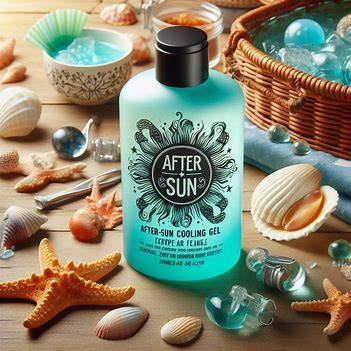 The sun brings warmth, light, and that beautiful summer glow. But after a day spent basking in its rays, your skin can feel hot, tight, and even a little burnt. Thankfully, there's a hero in the fight against post-sunburn discomfort: the cooling after-sun gel.
More Than Just Cooling:
While a cool shower might offer temporary relief, an after-sun gel provides much more. These gels are formulated with ingredients specifically designed to soothe and repair sun-exposed skin. Here's how they work their magic:
- Hydration Boost: Sun exposure can rob your skin of moisture, leaving it feeling dry and uncomfortable. After-sun gels are packed with hydrating ingredients like aloe vera, hyaluronic acid, and glycerin. These work by attracting and retaining moisture in the skin, leaving it feeling refreshed and plump.
- Soothing Relief: Sunburn is essentially controlled inflammation. After-sun gels often contain anti-inflammatory ingredients like menthol, allantoin, and calendula extract. These ingredients help calm the skin, reduce redness and irritation, and promote a cooling sensation.
- Repair and Regeneration: Sun exposure can damage skin cells. After-sun gels may contain ingredients like vitamin E and panthenol that help promote skin cell repair and regeneration, speeding up the healing process.
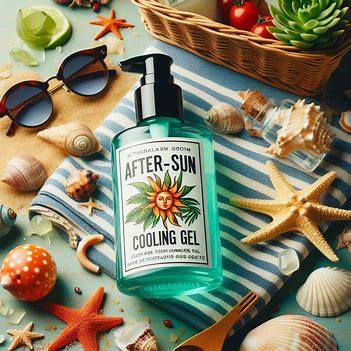 Choosing the Right Gel:
With so many after-sun gels on the market, choosing the right one can seem overwhelming. Here are some factors to consider:
- Skin Type: If you have sensitive skin, opt for a fragrance-free and hypoallergenic formula. Gels with aloe vera are generally gentle on most skin types.
- Sunburn Severity: For mild sunburns, a basic hydrating gel might suffice. For more severe sunburn, look for a gel with additional soothing and anti-inflammatory ingredients.
- Personal Preference: Gels come in different textures, some with a light, watery feel, while others are thicker and more emollient. Choose a texture you find comfortable and easy to apply.
Applying and Beyond:
For optimal results, apply your after-sun gel generously to clean, dry skin immediately after sun exposure. Reapply every few hours, especially if you continue to be in the sun.
Here are some additional tips for post-sun care:
- Stay Hydrated: Drink plenty of water to replenish fluids lost through sweating.
- Loose Clothing: Opt for loose, breathable clothing to allow your skin to breathe.
- Avoid Sun Exposure: Give your skin time to heal by staying out of direct sunlight.
- Seek Medical Attention: If you experience severe sunburn, blistering, or fever, consult a healthcare professional.
Embrace the Sun Safely:
Summer is a time to enjoy the outdoors, and with the right precautions and products, you can do so without sacrificing your skin's health. By incorporating a cooling after-sun gel into your post-sunbathing routine, you can ensure your skin stays cool, soothed, and healthy all summer long.
"


Cosmetic ingredients and professional formulation blog
This section features expert materials on modern cosmetic actives. We cover peptides, polynucleotides PDRN, different forms of hyaluronic acid, retinoids, ceramides and other key components.
Special focus is given to active stability, ingredient compatibility and correct incorporation into formulas. You will find practical guides on working with anti-age actives, moisturizing complexes and barrier repair ingredients.
We examine how to properly combine myorelaxants with peptides, common mistakes when using unstable vitamin C forms and ways to improve the performance of moisturizing actives.
Separate materials are dedicated to base oils, extracts, emulsifiers and supporting ingredients. This helps create stable and effective formulas for both professional and home cosmetics.
The blog regularly publishes reviews of trending actives, comparisons of similar ingredients and step-by-step formulation recommendations. The content is aimed at formulators, technologists and anyone seriously involved in creating cosmetic products.
Why this blog is useful
Here you will find practical data on eye area care actives, lifting systems and ingredients that improve skin firmness and tone. We rely on real formulation experience and address the actual challenges that arise during product development.
You can also explore materials on skin protection and repair, depigmentation and anti-inflammatory actives. This approach supports a more systematic selection of ingredients.
FAQ
What topics are covered most often
The blog focuses on peptides, PDRN, hyaluronic acid of different molecular weights, retinoids, ceramides and their compatibility rules.
Are there practical recommendations on how to incorporate actives
Yes, most articles include practical notes on pH stability, incorporation temperature and common formulation mistakes.
Is the content only for professionals
The materials are useful both for formulators and technologists and for those who create cosmetics for personal use and want to understand how modern ingredients work.
Where can I go directly to the ingredients
All key actives are collected in the Actives section, while base components are available in base oils and related categories.



