-
 DIY: Video master classes
-
 Aromatherapy
-
 Felting master classes
-
 Eating at home
-
 DIY cosmetics for children
-
 Cooking recipes
-
 Detergents, cleaning products with your own hands
-
 Soap making as a business
-
 Natural cosmetics. Raw materials for cosmetics and soap.
-
 Natural oils in cosmetics
-
 News
-
 Recipes for balms and conditioners
-
 Bath Bomb Recipes
-
 Cream recipes. Cream making.
-
 Lotion recipes. Gel recipes.
-
 Mask recipes
-
 Soap recipes. Base soap. Soap from scratch.
-
 Recipes for all occasions
-
 Natural shampoo recipes
-
 Healthy Nutrition Recipes
-
 Scrub recipes. Massage tiles. Ubtan
-
 DIY candles
-
 Reference materials, questions, tips
-
 Startup - soap production
-
 Hair care. Tips, recipes
-
 Facial skin care. Cleansers.
-
 Body care. Tips, recipes
-
 Photo Reviews
-
 Chocolate Handmade


Cleansing scalp scrub with sea salt
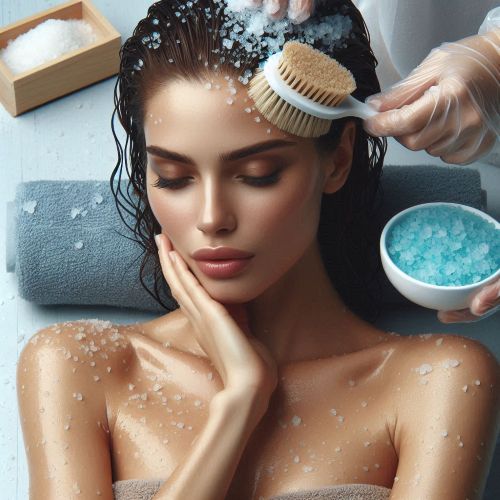 A healthy scalp is the foundation for vibrant, lustrous hair. Yet, many commercial shampoos and conditioners leave behind residues, leading to clogged pores, dandruff, and an overall lackluster appearance. Enter the transformative power of a homemade sea salt cleansing scalp scrub. This natural remedy offers a deep cleanse, exfoliation, and a surge of minerals, all without the harsh chemicals found in many store-bought products.
Why Choose a Sea Salt Scalp Scrub?
- Deep Cleansing: Sea salt's granular texture effectively removes product buildup, excess sebum, and dead skin cells, unclogging hair follicles and promoting healthy hair growth.
- Exfoliation: Gentle exfoliation stimulates blood circulation to the scalp, nourishing hair roots and encouraging healthy cell turnover.
- Mineral Rich: Sea salt is packed with essential minerals like magnesium, calcium, and potassium, which strengthen hair follicles and improve scalp health.
- Natural and Chemical-Free: Avoid harsh sulfates, parabens, and synthetic fragrances found in commercial scrubs, opting for a natural and gentle approach.
- Cost-Effective: Create a potent scalp treatment with readily available ingredients, saving money compared to expensive salon treatments.
- Improved Hair Texture: By removing buildup and promoting healthy circulation, sea salt scrubs can enhance hair volume, shine, and overall texture.
Understanding the Nuances of Preparation:
Creating a successful sea salt scalp scrub involves careful ingredient selection and precise mixing.
- Sea Salt Selection: Opt for fine-grain sea salt to minimize irritation. Avoid coarse salts, which can scratch the scalp. Himalayan pink salt or Dead Sea salt offer additional mineral benefits.
- Carrier Oils: Choose carrier oils that complement your hair type. Coconut oil provides deep moisture, while jojoba oil mimics the scalp's natural sebum, making it suitable for oily hair. Argan oil is excellent for dry and damaged hair.
- Essential Oils: Enhance your scrub with essential oils that target specific scalp concerns. Tea tree oil possesses antimicrobial properties, while peppermint oil provides a cooling sensation and stimulates circulation. Lavender oil soothes irritation.
- Consistency: Aim for a thick, paste-like consistency that adheres to the scalp without being too runny.
- Application Technique: Gently massage the scrub into your scalp using circular motions, focusing on areas with buildup or irritation. Avoid applying excessive pressure, which can damage the scalp.
Detailed Sea Salt Scalp Scrub Recipes:
1. The Classic Deep Cleanse:
- Ingredients:
- 2 tablespoons fine-grain sea salt
- 2 tablespoons coconut oil (melted)
- 5 drops tea tree essential oil
- Instructions:
- Combine the sea salt and melted coconut oil in a small bowl.
- Add the tea tree essential oil and mix thoroughly.
- Apply to a damp scalp, massaging gently for 2-3 minutes.
- Rinse thoroughly with lukewarm water, followed by your regular shampoo and conditioner.
- Use recommendation: Use once or twice per month, depending on your scalp's needs.
2. The Soothing Lavender and Jojoba Scrub:
- Ingredients:
- 2 tablespoons fine-grain Dead Sea salt
- 2 tablespoons jojoba oil
- 5 drops lavender essential oil
- Instructions:
- Combine the sea salt and jojoba oil in a bowl.
- Add the lavender essential oil and mix well.
- Apply to a damp scalp, massaging gently for 2-3 minutes.
- Rinse thoroughly with lukewarm water, followed by your regular shampoo and conditioner.
- Use recommendation: Ideal for sensitive scalps, use once or twice per week.
3. The Invigorating Peppermint and Argan Scrub:
- Ingredients:
- 2 tablespoons fine-grain Himalayan pink salt
- 2 tablespoons argan oil
- 5 drops peppermint essential oil
- Instructions:
- Combine the sea salt and argan oil in a bowl.
- Add the peppermint essential oil and mix thoroughly.
- Apply to a damp scalp, massaging gently for 2-3 minutes.
- Rinse thoroughly with lukewarm water, followed by your regular shampoo and conditioner.
- Use recommendation: Great for oily scalps and promoting hair growth, use once per week.
Recommendations for Use and Storage:
- Patch Test: Before applying any new scrub, perform a patch test on a small area of your skin to check for allergies or irritation.
- Gentle Application: Avoid harsh scrubbing, which can damage the scalp.
- Follow with Conditioner: Sea salt can be slightly drying, so always follow with a moisturizing conditioner.
- Storage: Store leftover scrub in an airtight container in a cool, dry place. Use within a few weeks for optimal freshness.
- Frequency: Avoid over-exfoliating, as this can irritate the scalp. Adjust the frequency of use based on your scalp's sensitivity and needs.
- Hair type considerations: Those with color treated hair should use scrubs with caution, and less frequently, as some scrubbing may remove color faster.
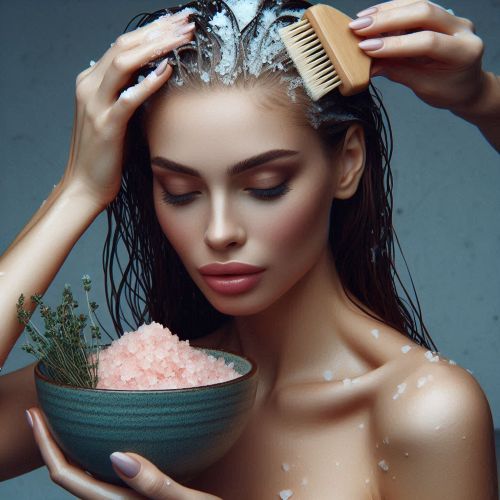
Advantages Over Industrial Analogues:
- Customization: Tailor your scrub to your specific needs by choosing ingredients that address your unique scalp concerns.
- Transparency: Know exactly what ingredients are going into your scrub, avoiding hidden chemicals and potential irritants.
- Freshness: Homemade scrubs are made with fresh ingredients, ensuring maximum potency.
- Sustainability: Reduce your environmental impact by avoiding plastic packaging and harsh chemicals.
- Control: You control the level of exfoliation by choosing the grain size of the salt, and the amount of pressure used during application.
By incorporating a sea salt cleansing scalp scrub into your hair care routine, you can unlock a healthier, more vibrant scalp and achieve the luscious locks you've always desired.


Cosmetic ingredients and professional formulation blog
This section features expert materials on modern cosmetic actives. We cover peptides, polynucleotides PDRN, different forms of hyaluronic acid, retinoids, ceramides and other key components.
Special focus is given to active stability, ingredient compatibility and correct incorporation into formulas. You will find practical guides on working with anti-age actives, moisturizing complexes and barrier repair ingredients.
We examine how to properly combine myorelaxants with peptides, common mistakes when using unstable vitamin C forms and ways to improve the performance of moisturizing actives.
Separate materials are dedicated to base oils, extracts, emulsifiers and supporting ingredients. This helps create stable and effective formulas for both professional and home cosmetics.
The blog regularly publishes reviews of trending actives, comparisons of similar ingredients and step-by-step formulation recommendations. The content is aimed at formulators, technologists and anyone seriously involved in creating cosmetic products.
Why this blog is useful
Here you will find practical data on eye area care actives, lifting systems and ingredients that improve skin firmness and tone. We rely on real formulation experience and address the actual challenges that arise during product development.
You can also explore materials on skin protection and repair, depigmentation and anti-inflammatory actives. This approach supports a more systematic selection of ingredients.
FAQ
What topics are covered most often
The blog focuses on peptides, PDRN, hyaluronic acid of different molecular weights, retinoids, ceramides and their compatibility rules.
Are there practical recommendations on how to incorporate actives
Yes, most articles include practical notes on pH stability, incorporation temperature and common formulation mistakes.
Is the content only for professionals
The materials are useful both for formulators and technologists and for those who create cosmetics for personal use and want to understand how modern ingredients work.
Where can I go directly to the ingredients
All key actives are collected in the Actives section, while base components are available in base oils and related categories.



