-
 DIY: Video master classes
-
 Aromatherapy
-
 Felting master classes
-
 Eating at home
-
 DIY cosmetics for children
-
 Cooking recipes
-
 Detergents, cleaning products with your own hands
-
 Soap making as a business
-
 Natural cosmetics. Raw materials for cosmetics and soap.
-
 Natural oils in cosmetics
-
 News
-
 Recipes for balms and conditioners
-
 Bath Bomb Recipes
-
 Cream recipes. Cream making.
-
 Lotion recipes. Gel recipes.
-
 Mask recipes
-
 Soap recipes. Base soap. Soap from scratch.
-
 Recipes for all occasions
-
 Natural shampoo recipes
-
 Healthy Nutrition Recipes
-
 Scrub recipes. Massage tiles. Ubtan
-
 DIY candles
-
 Reference materials, questions, tips
-
 Startup - soap production
-
 Hair care. Tips, recipes
-
 Facial skin care. Cleansers.
-
 Body care. Tips, recipes
-
 Photo Reviews
-
 Chocolate Handmade


Niacinamide in cosmetics: how it works and how to formulate products correctly
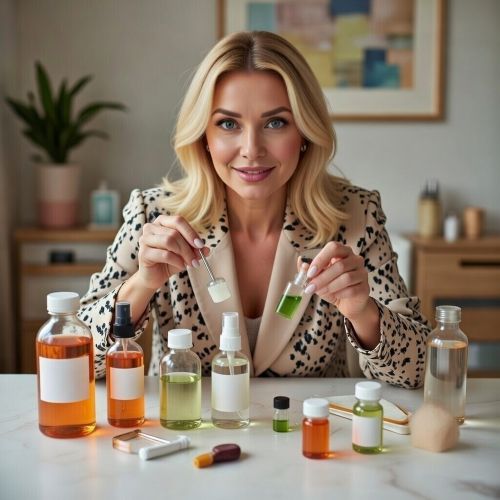 Niacinamide also known as Vitamin B3 has established itself as a cornerstone ingredient in modern dermatology and home cosmetic formulation. Its popularity stems from its incredible versatility and safety profile making it suitable for almost every skin type. However the effectiveness of this active ingredient depends entirely on how it is handled during the formulation process. Incorrect temperatures or improper acidity levels can transform this powerhouse into an irritant.
In this comprehensive guide we will explore the biochemical mechanisms of Vitamin B3 the precise rules for creating stable emulsions and three professional grade recipes. You will learn how to craft products that deliver visible results such as pore reduction and barrier repair while avoiding the common pitfalls of mass market manufacturing.
The Biological Action and Benefits of Vitamin B3
Niacinamide works as a precursor to two essential coenzymes within your cells which are responsible for energy production and DNA repair. When applied topically it significantly increases the synthesis of ceramics and free fatty acids in the stratum corneum. This strengthens the skin lipid barrier preventing transepidermal water loss and protecting against environmental pollutants.
For those with oily or acne prone skin Niacinamide acts as a potent sebostat regulating oil production and visually refining pore texture. Furthermore it inhibits the transfer of pigment from melanocytes to keratinocytes which makes it an exceptional tool for fading dark spots and post inflammatory hyperpigmentation. Unlike many active ingredients it provides these benefits while simultaneously soothing inflammation and reducing redness.
Technical Formulation Nuances and Stability Rules
Formulating with Niacinamide requires a deep understanding of its chemical stability. One of the most critical factors is the acidity level or pH of the final product. Niacinamide remains most stable and effective at a pH between five and six. If the environment becomes too acidic below a pH of five Niacinamide can undergo hydrolysis converting into nicotinic acid. This conversion is problematic as nicotinic acid causes significant skin flushing and a burning sensation.
Another nuance is its solubility. Niacinamide is highly water soluble and does not require heat to dissolve. In fact adding it to a formula when the temperature is too high can degrade its quality. It is best introduced during the cooling phase of an emulsion or at room temperature in water based serums.
Advantages of Handmade Formulations Over Industrial Analogs
The primary advantage of creating your own Niacinamide products is the ability to control the concentration and the purity of the surrounding ingredients. Industrial products often contain high amounts of silicone synthetic fillers and cheap preservatives that can clog pores or trigger sensitivities.
When you formulate at home you can use a high grade pure Niacinamide powder and combine it with fresh botanical extracts and high quality oils like rosehip or squalane. You also ensure that the product has the correct pH level which is often overlooked in mass produced items that sit on shelves for years. By making small fresh batches you minimize the need for heavy stabilization chemicals providing a cleaner and more potent treatment for your skin.
Recipe One Sebum Regulating Serum for Problem Skin
This lightweight water based serum focuses on controlling oil and reducing the appearance of enlarged pores.
Ingredients Eighteen milliliters of rose water one gram of pure Niacinamide powder one milliliter of aloe vera gel and two drops of a broad spectrum cosmetic preservative.
Step one Pour the rose water into a sterilized glass beaker or container. Step two Gradually add the Niacinamide powder to the liquid and stir slowly until the white particles are completely invisible and the liquid is clear. Step three Mix in the aloe vera gel which provides a soothing base and adds a slight viscosity to the serum. Step four Use a pH testing strip to confirm the acidity is between five and six. If it is too low add a tiny drop of a diluted baking soda solution. Step five Add the preservative and stir one final time to ensure even distribution. Step six Transfer the serum into a dark glass dropper bottle and store it in a cool dry cupboard.
Recipe Two Barrier Repair Cream for Radiant Skin
This rich emulsion is designed to restore the skin protective layer and provide a healthy glow to dry or tired complexions.
Ingredients Twenty grams of a neutral cream base or emulsion one gram of Niacinamide powder three drops of rosehip oil and two drops of Vitamin E.
Step one If using a pre made neutral base place it in a glass bowl. If making from scratch ensure your emulsion has cooled to thirty degrees Celsius. Step two Dissolve the Niacinamide powder in a tiny amount of distilled water about two milliliters before adding it to the cream. Step three Blend the dissolved Niacinamide into the cream base using a small whisk or a mini mixer. Step four Add the rosehip oil which is rich in Vitamin A and works synergistically with Vitamin B3 to improve skin texture. Step five Stir in the Vitamin E to act as an antioxidant for the oils in the formula. Step six Whisk the mixture until it is silky and homogeneous then transfer it to a sterilized cosmetic jar.
Recipe Three Gentle Brightening Toner for Daily Use
A refreshing daily step that gradually evens out skin tone and prepares the face for further treatments.
Ingredients Forty five milliliters of distilled water two grams of Niacinamide powder one gram of panthenol and three drops of lemon essential oil pre mixed with a solubilizer.
Step one Combine the distilled water and the Niacinamide powder in a clean spray bottle or flask. Step two Add the panthenol which is Vitamin B5 to enhance the hydrating and regenerative properties of the toner. Step three In a separate small spoon mix the lemon essential oil with a solubilizer like polysorbate to ensure it mixes with the water. Step four Pour the oil mixture into the water base and shake the bottle vigorously. Step five Check the pH level and ensure it remains within the safe range for Niacinamide stability. Step six Use the toner every evening after cleansing by applying it with a cotton pad to the face and neck.
Professional Recommendations for Use and Storage
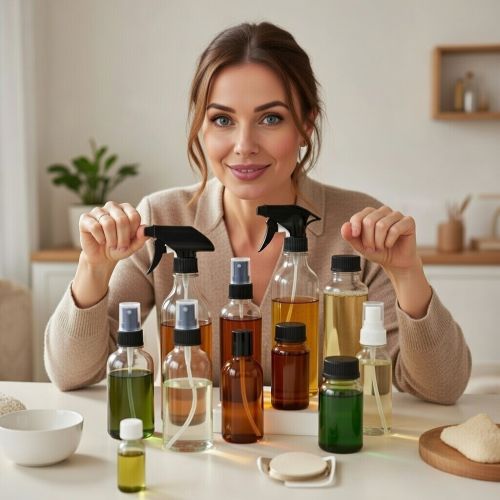
Maximizing the results of your Niacinamide treatments requires consistent and correct application. Always apply Niacinamide based products to clean damp skin to help the active molecules penetrate deeper. While Niacinamide is generally stable you should avoid mixing it in the same application step with pure Vitamin C or L ascorbic acid. These two ingredients work best at different pH levels and applying them together can lead to skin irritation. It is best to use Vitamin C in the morning and Niacinamide at night.
Storage is another critical factor for maintaining the integrity of your handmade cosmetics. Although Niacinamide is not as light sensitive as Retinol the other botanical oils and extracts in your recipes can oxidize. Keep your finished products in dark glass containers to block out light. Store them in a cool dry place such as a bedroom drawer or a dedicated skincare fridge. Avoid keeping them in the bathroom where high humidity and temperature fluctuations from showers can degrade the formula.
The shelf life of a handmade product with a preservative is typically three to six months. If you choose not to use a preservative the product must be kept in the refrigerator and discarded after one week. Always watch for changes in color smell or consistency as these are signs that it is time to prepare a fresh batch.
By mastering these formulation techniques you empower yourself to treat your skin with professional grade products that are specifically tailored to your needs.


Cosmetic ingredients and professional formulation blog
This section features expert materials on modern cosmetic actives. We cover peptides, polynucleotides PDRN, different forms of hyaluronic acid, retinoids, ceramides and other key components.
Special focus is given to active stability, ingredient compatibility and correct incorporation into formulas. You will find practical guides on working with anti-age actives, moisturizing complexes and barrier repair ingredients.
We examine how to properly combine myorelaxants with peptides, common mistakes when using unstable vitamin C forms and ways to improve the performance of moisturizing actives.
Separate materials are dedicated to base oils, extracts, emulsifiers and supporting ingredients. This helps create stable and effective formulas for both professional and home cosmetics.
The blog regularly publishes reviews of trending actives, comparisons of similar ingredients and step-by-step formulation recommendations. The content is aimed at formulators, technologists and anyone seriously involved in creating cosmetic products.
Why this blog is useful
Here you will find practical data on eye area care actives, lifting systems and ingredients that improve skin firmness and tone. We rely on real formulation experience and address the actual challenges that arise during product development.
You can also explore materials on skin protection and repair, depigmentation and anti-inflammatory actives. This approach supports a more systematic selection of ingredients.
FAQ
What topics are covered most often
The blog focuses on peptides, PDRN, hyaluronic acid of different molecular weights, retinoids, ceramides and their compatibility rules.
Are there practical recommendations on how to incorporate actives
Yes, most articles include practical notes on pH stability, incorporation temperature and common formulation mistakes.
Is the content only for professionals
The materials are useful both for formulators and technologists and for those who create cosmetics for personal use and want to understand how modern ingredients work.
Where can I go directly to the ingredients
All key actives are collected in the Actives section, while base components are available in base oils and related categories.



