-
 DIY: Video master classes
-
 Aromatherapy
-
 Felting master classes
-
 Eating at home
-
 DIY cosmetics for children
-
 Cooking recipes
-
 Detergents, cleaning products with your own hands
-
 Soap making as a business
-
 Natural cosmetics. Raw materials for cosmetics and soap.
-
 Natural oils in cosmetics
-
 News
-
 Recipes for balms and conditioners
-
 Bath Bomb Recipes
-
 Cream recipes. Cream making.
-
 Lotion recipes. Gel recipes.
-
 Mask recipes
-
 Soap recipes. Base soap. Soap from scratch.
-
 Recipes for all occasions
-
 Natural shampoo recipes
-
 Healthy Nutrition Recipes
-
 Scrub recipes. Massage tiles. Ubtan
-
 DIY candles
-
 Reference materials, questions, tips
-
 Startup - soap production
-
 Hair care. Tips, recipes
-
 Facial skin care. Cleansers.
-
 Body care. Tips, recipes
-
 Photo Reviews
-
 Chocolate Handmade


Gentle hair care: prepare your own spray
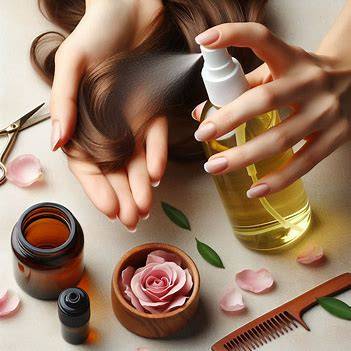 Looking for a more natural approach to hair care? Tired of harsh chemicals and store-bought products? Crafting your own gentle hair care spray at home is a fun, rewarding, and surprisingly easy way to nourish and pamper your locks.
This article explores the world of DIY hair sprays, offering insights and recipes for various hair types. But before we dive in, a few considerations for crafting safe and effective sprays:
- Ingredient Quality: Always use high-quality, natural ingredients when possible. Opt for organic carrier oils and essential oils for the best results.
- Patch Testing: Before applying any new concoction to your hair, perform a patch test on a small area of your skin to check for allergies.
- Water Distillation: Tap water can harbor bacteria. Consider using filtered or distilled water for your sprays.
- Storage and Shelf Life: Store your DIY sprays in a cool, dark place in a dark amber glass spray bottle. Homemade sprays generally have a shorter shelf life (2-3 weeks) compared to commercial products due to the lack of preservatives.
Now, let's explore some fantastic DIY hair spray recipes tailored for different hair needs:
For Dry, Brittle Hair:
- Ingredients: 2 tbsp Jojoba oil (carrier oil), 1 tbsp Rosehip oil (carrier oil), 5 drops Lavender essential oil, 5 drops Ylang Ylang essential oil, distilled water.
- Benefits: Jojoba oil mimics the scalp's natural sebum, promoting moisture retention. Rosehip oil adds shine and strengthens hair follicles. Lavender and Ylang Ylang essential oils soothe the scalp and promote relaxation.
For Frizzy, Unruly Hair:
- Ingredients: 2 tbsp Aloe Vera juice, 1 tbsp Witch Hazel (alcohol-free), 5 drops Cedarwood essential oil, 5 drops Rosemary essential oil, distilled water.
- Benefits: Aloe Vera juice provides lightweight hydration and tames frizz. Witch Hazel tightens the hair cuticle, smoothing flyaways. Cedarwood and Rosemary essential oils promote healthy scalp circulation and hair growth.
 For Normal Hair (Maintaining Shine and Health):
- Ingredients: 2 tbsp Grapeseed oil (carrier oil), 5 drops Geranium essential oil, 5 drops Sweet Orange essential oil, distilled water.
- Benefits: Grapeseed oil is lightweight and easily absorbed, leaving hair feeling silky. Geranium and Sweet Orange essential oils add a touch of light fragrance and promote a healthy scalp.
Remember: These are just a starting point! Feel free to experiment with different carrier oils and essential oils to find a perfect blend for your unique hair needs.
Additional Tips:
- Shake well before each use to ensure all ingredients are properly mixed.
- Apply the spray to damp hair for better absorption.
- Start with a light mist and adjust the amount based on your hair type and desired effect.
By embracing DIY hair care, you're not just making a natural choice, you're also creating a personalized experience that nourishes your hair and caters to its specific needs. So unleash your inner alchemist, have fun experimenting, and enjoy the healthy glow of your beautiful locks!


Cosmetic ingredients and professional formulation blog
This section features expert materials on modern cosmetic actives. We cover peptides, polynucleotides PDRN, different forms of hyaluronic acid, retinoids, ceramides and other key components.
Special focus is given to active stability, ingredient compatibility and correct incorporation into formulas. You will find practical guides on working with anti-age actives, moisturizing complexes and barrier repair ingredients.
We examine how to properly combine myorelaxants with peptides, common mistakes when using unstable vitamin C forms and ways to improve the performance of moisturizing actives.
Separate materials are dedicated to base oils, extracts, emulsifiers and supporting ingredients. This helps create stable and effective formulas for both professional and home cosmetics.
The blog regularly publishes reviews of trending actives, comparisons of similar ingredients and step-by-step formulation recommendations. The content is aimed at formulators, technologists and anyone seriously involved in creating cosmetic products.
Why this blog is useful
Here you will find practical data on eye area care actives, lifting systems and ingredients that improve skin firmness and tone. We rely on real formulation experience and address the actual challenges that arise during product development.
You can also explore materials on skin protection and repair, depigmentation and anti-inflammatory actives. This approach supports a more systematic selection of ingredients.
FAQ
What topics are covered most often
The blog focuses on peptides, PDRN, hyaluronic acid of different molecular weights, retinoids, ceramides and their compatibility rules.
Are there practical recommendations on how to incorporate actives
Yes, most articles include practical notes on pH stability, incorporation temperature and common formulation mistakes.
Is the content only for professionals
The materials are useful both for formulators and technologists and for those who create cosmetics for personal use and want to understand how modern ingredients work.
Where can I go directly to the ingredients
All key actives are collected in the Actives section, while base components are available in base oils and related categories.



