-
 DIY: Video master classes
-
 Aromatherapy
-
 Felting master classes
-
 Eating at home
-
 DIY cosmetics for children
-
 Cooking recipes
-
 Detergents, cleaning products with your own hands
-
 Soap making as a business
-
 Natural cosmetics. Raw materials for cosmetics and soap.
-
 Natural oils in cosmetics
-
 News
-
 Recipes for balms and conditioners
-
 Bath Bomb Recipes
-
 Cream recipes. Cream making.
-
 Lotion recipes. Gel recipes.
-
 Mask recipes
-
 Soap recipes. Base soap. Soap from scratch.
-
 Recipes for all occasions
-
 Natural shampoo recipes
-
 Healthy Nutrition Recipes
-
 Scrub recipes. Massage tiles. Ubtan
-
 DIY candles
-
 Reference materials, questions, tips
-
 Startup - soap production
-
 Hair care. Tips, recipes
-
 Facial skin care. Cleansers.
-
 Body care. Tips, recipes
-
 Photo Reviews
-
 Chocolate Handmade


Handmade soap for export what ingredients do artisans choose in the USA and Europe
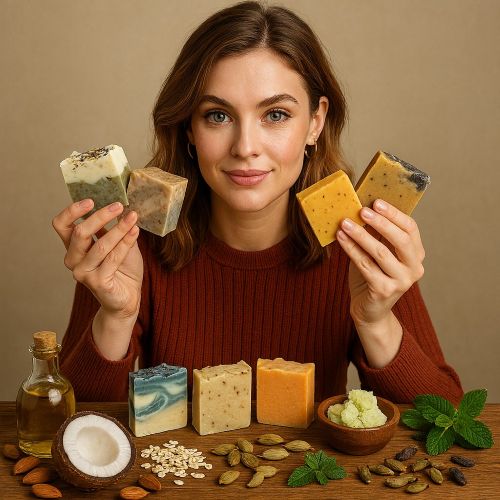 The handmade soap market is a vibrant and growing industry, driven by consumer demand for natural, ethical, and high-quality personal care products. For artisans looking to expand their reach and export their creations to the competitive markets of the USA and Europe, understanding local preferences and regulatory standards is paramount. The choice of ingredients is at the heart of this success. European and American consumers, often well-versed in clean beauty trends, prioritize specific qualities: transparency, sustainability, and unique benefits. This article will explore the key ingredients and formulation strategies that successful artisans are using, detail the nuances of preparation, and provide three detailed recipes that meet international standards for quality and appeal.
Key Ingredients: A Global Perspective on Handcrafted Soap
Artisans in the USA and Europe are moving away from generic, mass-produced soaps and embracing ingredients that tell a story, whether of natural origin, unique properties, or ethical sourcing.
Core Oils and Butters
The foundation of any good soap is its oil blend. The choice of oils dictates the soap’s lather, hardness, and moisturizing properties.
-
Olive Oil: A staple in "Castile" soaps, olive oil produces a gentle, creamy lather and a very hard bar. It is highly valued for its mildness and is a favorite for sensitive skin.
-
Coconut Oil: Essential for a rich, bubbly lather. It provides excellent cleansing properties but should be used in balanced proportions (typically under 30%) to avoid a drying effect.
-
Shea Butter & Cocoa Butter: These are prized for their superior moisturizing and conditioning qualities. They contribute to a hard, long-lasting bar with a luxurious, creamy feel.
-
Avocado Oil: Rich in vitamins A, D, and E, avocado oil is a fantastic emollient that leaves the skin feeling soft and nourished. It is often added as a "superfatting" oil after saponification to enhance its benefits.
-
Hemp Seed Oil: Gaining popularity for its balanced omega fatty acid profile, hemp seed oil is a powerful moisturizer and soother, perfect for sensitive or inflamed skin.
Natural Colorants and Additives
Consumers in these markets prefer natural alternatives to synthetic dyes.
-
Clays (Kaolin, French Green, Rose): Clays are used not only for their beautiful, earthy colors but also for their skin benefits. They help to gently exfoliate and detoxify, giving the soap a luxurious, spa-like feel.
-
Botanicals (Dried Herbs, Spices, Flowers): Ingredients like calendula petals, finely ground coffee, or chamomile flowers provide visual appeal and subtle texture. They must be carefully dried and prepared to prevent mold and discoloration.
-
Charcoal: Activated charcoal is a sought-after ingredient for its detoxifying properties, creating a dramatic black color and a "clean" aesthetic that appeals to a health-conscious audience.
-
Natural Pigments: Plant-derived colorants like annatto seed powder (orange), spirulina (green), and madder root powder (pinks and reds) offer a vibrant, yet natural, color palette.
Fragrance and Essential Oils
Fragrance is a key selling point, but the choice of scent is highly scrutinized.
-
Essential Oils: The preference for pure essential oils over synthetic fragrance oils is strong. Aromas like lavender, peppermint, tea tree, and lemongrass are popular for their therapeutic properties and natural origins. Artisans must adhere to safe usage rates.
-
Phthalate-Free Fragrance Oils: When fragrance oils are used, they are often required to be "phthalate-free" to align with clean beauty standards. This transparency is crucial for building consumer trust.
Nuances of Preparation: Mastering the Cold Process
The cold process method is the most popular choice for artisans due to its control over ingredients and its ability to create a visually stunning, long-lasting soap.
-
Accurate Formulation: Use a soap calculator to precisely determine the amount of lye (sodium hydroxide) needed to saponify the oils. This ensures a balanced, skin-safe product with no excess lye (which would make it harsh) or unsaponified oils (which would make it soft and prone to spoilage).
-
Temperature Control: Maintain a consistent temperature for both the lye solution and the oils (typically between 40-50°C) when mixing. This promotes a smooth saponification process and prevents the batter from thickening too quickly ("seizing").
-
Trace: The "trace" is the moment when the oil and lye mixture thickens to a pudding-like consistency. This is the ideal time to add fragrances, colorants, and other additives.
-
Curing Time: Cold process soap must be cured for 4-6 weeks. This period allows the soap to fully saponify, harden, and lose excess water. Proper curing results in a milder, longer-lasting bar with a richer lather.
-
Labeling and INCI: For export, accurate labeling is non-negotiable. The label must include the INCI (International Nomenclature of Cosmetic Ingredients) list, which is a standardized list of ingredients.
Three Detailed Recipes for Export-Quality Handmade Soap
These recipes are designed to produce beautiful, high-quality cold process soaps that appeal to European and American consumers. Each recipe is for a 500g batch.
Recipe 1: Soothing Calendula & Oat Milk Soap
This recipe is gentle and nourishing, perfect for sensitive skin.
-
Preparation of ingredients. Gather: 300g olive oil, 100g coconut oil, 100g shea butter, 67g lye (NaOH), 140g oat milk (or distilled water), 10g calendula infused olive oil (or dried petals), and 5-10g essential oil blend (e.g., lavender and chamomile).
-
Prepare the lye solution. Wearing gloves and safety goggles, slowly add lye to the cold oat milk. Stir until dissolved. Allow to cool to 40-45°C.
-
Melt and cool the oils. In a separate container, gently melt the coconut oil and shea butter. Add the olive oil and stir. Allow the oil blend to cool to 40-45°C.
-
Emulsify and trace. When both mixtures are at the same temperature, slowly pour the lye solution into the oils. Use a stick blender in short pulses, alternating with hand stirring, until a light trace is achieved.
-
Add additives. Once the mixture is at trace, add the calendula infused oil or petals and the essential oil blend. Stir thoroughly.
-
Pour and cure. Pour the soap batter into your mold. Insulate the mold with a towel to encourage a good gel phase. After 24-48 hours, unmold the soap, slice it into bars, and place on a curing rack in a well-ventilated area for 4-6 weeks.
Recommendations for Use: Ideal for face and body, especially for dry or sensitive skin.
Storage: Store cured soap in a cool, dry place.
Recipe 2: Detoxifying Charcoal & Tea Tree Soap
This soap is designed for oily or acne-prone skin, with activated charcoal for deep cleansing.
-
Preparation of ingredients. Gather: 250g coconut oil, 200g sunflower oil, 50g castor oil, 70g lye (NaOH), 150g distilled water, 5g activated charcoal powder, and 10g tea tree essential oil.
-
Prepare the lye solution. Wearing protective gear, slowly add lye to cold distilled water. Stir and allow to cool to 40-45°C.
-
Melt and cool the oils. Melt the coconut oil and then mix in the sunflower and castor oils. Cool the blend to 40-45°C.
-
Emulsify and trace. When both mixtures are at the same temperature, slowly add the lye solution to the oils. Blend until a medium trace is achieved.
-
Add additives. Add the activated charcoal and the tea tree essential oil. Blend quickly to ensure the additives are evenly distributed.
-
Pour and cure. Pour the soap into your mold. After 24-48 hours, unmold, slice, and place on a curing rack for 4-6 weeks.
Recommendations for Use: Best for body and hands. Avoid using on very dry or sensitive facial skin due to the charcoal.
Storage: Store cured soap in a cool, dry place.
Recipe 3: Luxurious Shea & Rose Clay Soap
This soap offers a beautiful color and a creamy, moisturizing feel.
-
Preparation of ingredients. Gather: 350g olive oil, 100g coconut oil, 50g shea butter, 65g lye (NaOH), 130g distilled water, 10g rose clay, and 15g rose geranium fragrance oil (phthalate-free).
-
Prepare the lye solution. Wearing protective gear, slowly add lye to cold distilled water. Stir and allow to cool to 40-45°C.
-
Melt and cool the oils. Melt the coconut oil and shea butter. Add the olive oil and stir. Cool the blend to 40-45°C.
-
Add colorant. In a small separate bowl, mix the rose clay with a tablespoon of olive oil to create a smooth slurry. Set aside.
-
Emulsify and trace. When both mixtures are at the same temperature, slowly add the lye solution to the oils. Blend until a light trace is achieved.
-
Add fragrance and color. Add the rose clay slurry and the rose geranium fragrance oil. Blend briefly to mix well.
-
Pour and cure. Pour the soap into the mold. After 24-48 hours, unmold, slice, and cure on a rack for 4-6 weeks.
Recommendations for Use: Excellent for all skin types, especially for a luxurious, aromatic shower experience.
Storage: Store cured soap in a cool, dry place.
Advantages of Handcrafted Soap over Industrial Analogues
The handcrafted soap an artisan makes holds distinct advantages that resonate with consumers in the USA and Europe.
-
Ingredient Transparency: Artisans can guarantee a short and understandable ingredient list, free from synthetic detergents, sulfates (SLS/SLES), and artificial preservatives.
-
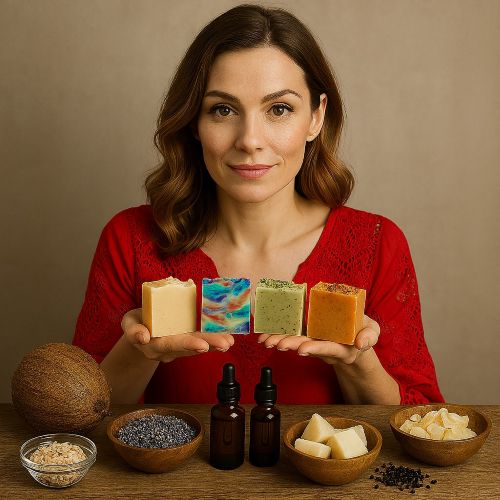 Superior Skin Benefits: Handmade soap retains the natural glycerin produced during saponification, which is a powerful humectant. Industrial soaps often remove this glycerin to sell separately, leaving a product that can be drying.
-
Customization and Uniqueness: Artisanal soap offers endless possibilities for unique scents, textures, and designs. It is a work of art, not a mass-produced item.
-
Ethical and Sustainable: Many artisans prioritize ethically sourced, organic, and fair-trade ingredients. They also reduce packaging waste, appealing to environmentally conscious consumers.
-
Reduced Irritants: The absence of harsh chemicals makes handcrafted soap a perfect choice for people with sensitive skin, eczema, or other skin conditions who often react poorly to industrial detergents.
By focusing on these principles and using high-quality, thoughtfully chosen ingredients, a handmade soap artisan can successfully enter and thrive in the competitive international market.


Cosmetic ingredients and professional formulation blog
This section features expert materials on modern cosmetic actives. We cover peptides, polynucleotides PDRN, different forms of hyaluronic acid, retinoids, ceramides and other key components.
Special focus is given to active stability, ingredient compatibility and correct incorporation into formulas. You will find practical guides on working with anti-age actives, moisturizing complexes and barrier repair ingredients.
We examine how to properly combine myorelaxants with peptides, common mistakes when using unstable vitamin C forms and ways to improve the performance of moisturizing actives.
Separate materials are dedicated to base oils, extracts, emulsifiers and supporting ingredients. This helps create stable and effective formulas for both professional and home cosmetics.
The blog regularly publishes reviews of trending actives, comparisons of similar ingredients and step-by-step formulation recommendations. The content is aimed at formulators, technologists and anyone seriously involved in creating cosmetic products.
Why this blog is useful
Here you will find practical data on eye area care actives, lifting systems and ingredients that improve skin firmness and tone. We rely on real formulation experience and address the actual challenges that arise during product development.
You can also explore materials on skin protection and repair, depigmentation and anti-inflammatory actives. This approach supports a more systematic selection of ingredients.
FAQ
What topics are covered most often
The blog focuses on peptides, PDRN, hyaluronic acid of different molecular weights, retinoids, ceramides and their compatibility rules.
Are there practical recommendations on how to incorporate actives
Yes, most articles include practical notes on pH stability, incorporation temperature and common formulation mistakes.
Is the content only for professionals
The materials are useful both for formulators and technologists and for those who create cosmetics for personal use and want to understand how modern ingredients work.
Where can I go directly to the ingredients
All key actives are collected in the Actives section, while base components are available in base oils and related categories.



