-
 DIY: Video master classes
-
 Aromatherapy
-
 Felting master classes
-
 Eating at home
-
 DIY cosmetics for children
-
 Cooking recipes
-
 Detergents, cleaning products with your own hands
-
 Soap making as a business
-
 Natural cosmetics. Raw materials for cosmetics and soap.
-
 Natural oils in cosmetics
-
 News
-
 Recipes for balms and conditioners
-
 Bath Bomb Recipes
-
 Cream recipes. Cream making.
-
 Lotion recipes. Gel recipes.
-
 Mask recipes
-
 Soap recipes. Base soap. Soap from scratch.
-
 Recipes for all occasions
-
 Natural shampoo recipes
-
 Healthy Nutrition Recipes
-
 Scrub recipes. Massage tiles. Ubtan
-
 DIY candles
-
 Reference materials, questions, tips
-
 Startup - soap production
-
 Hair care. Tips, recipes
-
 Facial skin care. Cleansers.
-
 Body care. Tips, recipes
-
 Photo Reviews
-
 Chocolate Handmade


Multifunctional ingredients in modern cosmetics
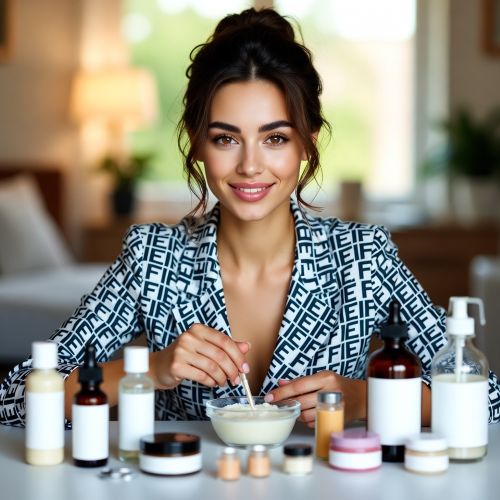 Multifunctional ingredients in modern cosmetics represent the pinnacle of current cosmetic chemistry. As the beauty industry moves toward minimalism and sustainability, the demand for components that can perform multiple roles has skyrocketed. These versatile substances are not just active players in skin health; they often serve as stabilizers, texture enhancers, and preservatives simultaneously. By utilizing ingredients with broad-spectrum action, formulators can create shorter, cleaner ingredient lists while maintaining or even increasing the product efficacy.
In this professional guide, we will analyze the technical mechanisms of multifunctional actives such as Niacinamide, Centella Asiatica, and Prebiotics. You will learn how these powerhouses simplify the manufacturing process and explore three unique recipes designed to provide comprehensive care with fewer steps.
Beneficial Properties and Chemical Versatility of Multifunctional Actives
The primary advantage of multifunctional ingredients is their ability to target several skin concerns at once. For instance, Niacinamide (Vitamin B3) is a legendary multitasker that regulates sebum production, strengthens the lipid barrier, reduces hyperpigmentation, and acts as an antioxidant. Similarly, Centella Asiatica extract not only soothes irritation but also stimulates collagen synthesis and improves microcirculation. These ingredients allow for a physiological approach to skincare, where the product supports the natural functions of the skin rather than just masking symptoms.
From a technical standpoint, these ingredients often improve the formula stability. Some multifunctional components act as co-emulsifiers or natural chelating agents, which reduce the need for synthetic stabilizers. This chemical efficiency leads to products that are less likely to cause irritation, as the skin is exposed to fewer individual substances. The synergy created by these actives ensures that the final product is more than just the sum of its parts.
Advantages of Professional Multifunctional Formulas Over Industrial Analogs
Industrial skincare often suffers from ingredient bloat, where dozens of components are added in minute quantities just for marketing purposes. This complexity increases the risk of formula instability and allergic reactions. In contrast, professional handmade cosmetics focused on multifunctionality prioritize high-potency ingredients in therapeutic dosages. By using a few high-quality multitaskers, you can create a product that is cleaner, fresher, and more bioavailable than mass-market versions.
Furthermore, industrial analogs often rely on cheap fillers like mineral oils or silicones to achieve a specific feel. Professional formulations use multifunctional plant-derived esters and waxes that provide that same luxurious texture while actually nourishing the skin. Because you are controlling the concentration, you can ensure that the actives are present in the correct percentage to deliver real physiological changes, such as barrier repair or deep hydration, which industrial products often fail to provide at a meaningful level.
Technical Nuances of Preparation with Versatile Actives
Precision and timing are the most critical nuances when working with multifunctional ingredients. Many of these actives, such as certain peptides or heat-sensitive vitamins, must be introduced during the final stages of the emulsion process. If a multitasker like Vitamin C or a prebiotic complex is exposed to excessive heat during the melting phase, its biological activity can be completely neutralized. Therefore, maintaining a cool down phase temperature below forty degrees Celsius is essential for preserving the ingredient integrity.
PH management is another vital technical aspect. Some multifunctional ingredients, particularly Niacinamide and certain fruit acids, are highly sensitive to the acidity of the formula. If the pH is too low or too high, these ingredients can undergo a chemical transition that causes skin flushing or product separation. A professional formulator must use high-precision pH meters and adjust the formula using natural buffers like lactic acid or sodium bicarbonate to find the sweet spot where all multifunctional roles are optimized.
Recipe One All In One Recovery Fluid with Centella and Panthenol
This lightweight fluid acts as a toner, serum, and light moisturizer, specifically designed to soothe inflammation while repairing the skin barrier.
Composition Seventy milliliters cornflower hydrosol Ten milliliters squalane Five grams niacinamide powder Three milliliters centella asiatica extract Two milliliters d-panthenol Three grams olive derived emulsifier One milliliter eco-preservative
Preparation Step one Sanitize all glass beakers and high-shear mixing equipment with seventy percent isopropyl alcohol. Step two Combine the cornflower hydrosol and niacinamide in a heat-resistant beaker, stirring until the powder is fully dissolved. Step three In a separate beaker, mix the squalane and the olive emulsifier. Step four Heat both phases in a water bath until the emulsifier has melted and the temperatures are equalized. Step five Pour the water phase into the oil phase while using a high-speed mixer for three minutes to create a fine, stable emulsion. Step six During the cooling phase, add the centella asiatica extract and d-panthenol, stirring slowly by hand to maintain their structural integrity. Step seven Incorporate the preservative, check that the pH is between five point five and six point zero, and transfer to a sterilized pump bottle.
Recipe Two Multi Purpose Barrier Cream with Prebiotics and Ceramides
A rich cream that balances the skin microbiome while providing intense hydration and protection against environmental stressors.
Composition Fifty milliliters distilled water Fifteen milliliters jojoba oil Ten grams shea butter Five grams prebiotic complex (Inulin and Alpha-glucan) Three milliliters ceramide complex Five grams emulsifying wax One milliliter vitamin E tocopherol Preservative
Preparation Step one Weigh all ingredients using a high-precision digital scale to ensure formula accuracy. Step two Dissolve the prebiotic complex in the distilled water and heat gently in a water bath. Step three Melt the jojoba oil, shea butter, and emulsifying wax together in a separate vessel. Step four Combine the water and oil phases and use a homogenizer to create a thick, creamy texture. Step five Monitor the cooling process carefully; when the cream reaches room temperature, stir in the ceramide complex. Step six Add the vitamin E and the preservative, ensuring they are evenly distributed throughout the thick emulsion. Step seven Package the cream in an airless dispenser to protect the ceramides and prebiotics from oxidation and contamination.
Recipe Three Brightening Niacinamide Serum with Hyaluronic Acid
A high-potency serum that targets dark spots, fine lines, and dehydration using a minimal list of multifunctional ingredients.
Composition Eighty milliliters rose hydrosol Five grams niacinamide One gram high molecular weight hyaluronic acid One gram low molecular weight hyaluronic acid Three milliliters vegetable glycerin One milliliter ferulic acid Preservative
Preparation Step one Disinfect your workspace and all laboratory tools before starting the formulation. Step two Add both weights of hyaluronic acid to the rose hydrosol and allow them to hydrate for at least thirty minutes until a clear gel is formed. Step three In a small glass, mix the niacinamide with the vegetable glycerin until a smooth paste is achieved. Step four Incorporate the niacinamide paste into the hyaluronic gel, stirring slowly to avoid creating excess air bubbles. Step five Add the ferulic acid, which acts as both an antioxidant and a stabilizer for the formula. Step six Stir in the preservative and verify that the final serum is clear and free of any undissolved particles. Step seven Transfer to an amber glass bottle with a dropper for precise daily application.
Detailed Recommendations for Professional Use and Layering
To maximize the benefits of multifunctional cosmetics, the method of application is just as important as the formula itself. These products are designed to be used on clean, slightly damp skin. Because they contain multiple actives, you do not need to layer five different serums. A single application of a multifunctional fluid followed by a barrier cream is often sufficient for a complete professional routine.
When using high concentrations of Niacinamide or prebiotics, it is recommended to apply the product using gentle pressing motions rather than vigorous rubbing. This encourages deeper penetration of the actives into the epidermal layers. If you are integrating these recipes into a routine that includes strong acids or prescription retinoids, always monitor your skin for signs of over-activity, although the soothing nature of these specific recipes is designed to mitigate such risks.
Storage Guidelines and Maintaining Active Potency
Multifunctional ingredients are often sensitive to environmental factors. Products containing prebiotics and vitamins should be stored in a cool, dark place away from direct sunlight. The use of opaque or tinted glass packaging is highly recommended to prevent UV rays from degrading the active components. High humidity in bathrooms can also compromise the preservative system, so a dry cupboard or a dedicated cosmetic refrigerator is the ideal storage location.
The shelf life of these professional handmade products is typically three to six months. Because they lack the heavy synthetic stabilizers found in industrial analogs, it is important to check the product periodically for changes in scent, color, or consistency. Using airless packaging or pump dispensers instead of open jars significantly extends the stability by minimizing exposure to oxygen and bacteria. If you notice any separation that cannot be resolved with a gentle shake, the emulsion has reached its limit and a new batch should be prepared.


Cosmetic ingredients and professional formulation blog
This section features expert materials on modern cosmetic actives. We cover peptides, polynucleotides PDRN, different forms of hyaluronic acid, retinoids, ceramides and other key components.
Special focus is given to active stability, ingredient compatibility and correct incorporation into formulas. You will find practical guides on working with anti-age actives, moisturizing complexes and barrier repair ingredients.
We examine how to properly combine myorelaxants with peptides, common mistakes when using unstable vitamin C forms and ways to improve the performance of moisturizing actives.
Separate materials are dedicated to base oils, extracts, emulsifiers and supporting ingredients. This helps create stable and effective formulas for both professional and home cosmetics.
The blog regularly publishes reviews of trending actives, comparisons of similar ingredients and step-by-step formulation recommendations. The content is aimed at formulators, technologists and anyone seriously involved in creating cosmetic products.
Why this blog is useful
Here you will find practical data on eye area care actives, lifting systems and ingredients that improve skin firmness and tone. We rely on real formulation experience and address the actual challenges that arise during product development.
You can also explore materials on skin protection and repair, depigmentation and anti-inflammatory actives. This approach supports a more systematic selection of ingredients.
FAQ
What topics are covered most often
The blog focuses on peptides, PDRN, hyaluronic acid of different molecular weights, retinoids, ceramides and their compatibility rules.
Are there practical recommendations on how to incorporate actives
Yes, most articles include practical notes on pH stability, incorporation temperature and common formulation mistakes.
Is the content only for professionals
The materials are useful both for formulators and technologists and for those who create cosmetics for personal use and want to understand how modern ingredients work.
Where can I go directly to the ingredients
All key actives are collected in the Actives section, while base components are available in base oils and related categories.



