-
 DIY: Video master classes
-
 Aromatherapy
-
 Felting master classes
-
 Eating at home
-
 DIY cosmetics for children
-
 Cooking recipes
-
 Detergents, cleaning products with your own hands
-
 Soap making as a business
-
 Natural cosmetics. Raw materials for cosmetics and soap.
-
 Natural oils in cosmetics
-
 News
-
 Recipes for balms and conditioners
-
 Bath Bomb Recipes
-
 Cream recipes. Cream making.
-
 Lotion recipes. Gel recipes.
-
 Mask recipes
-
 Soap recipes. Base soap. Soap from scratch.
-
 Recipes for all occasions
-
 Natural shampoo recipes
-
 Healthy Nutrition Recipes
-
 Scrub recipes. Massage tiles. Ubtan
-
 DIY candles
-
 Reference materials, questions, tips
-
 Startup - soap production
-
 Hair care. Tips, recipes
-
 Facial skin care. Cleansers.
-
 Body care. Tips, recipes
-
 Photo Reviews
-
 Chocolate Handmade


World trend why brands are switching to natural ingredients from Ukraine
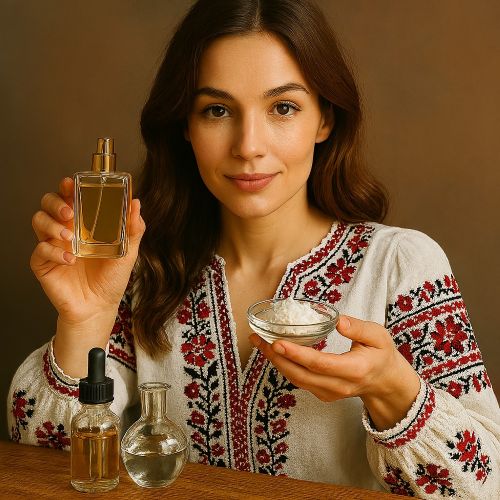 The global cosmetic industry is undergoing a profound transformation. Consumers are increasingly turning away from synthetic chemicals and mass-produced products, demanding transparency, sustainability, and efficacy from the ingredients they apply to their skin. In this shift toward natural and clean beauty, one region has quietly emerged as a powerhouse of high-quality raw materials: Ukraine. With its fertile black soil, diverse climate zones, and a rich history of herbal use, Ukraine offers a unique palette of natural ingredients that are capturing the attention of cosmetic brands worldwide. This article will delve into the reasons behind this growing trend, explore the benefits of Ukrainian ingredients, and provide three detailed recipes that harness their power for a truly authentic skincare experience.
Ukraine's Natural Treasure: A Rich and Diverse Source
Ukraine is often called the breadbasket of Europe, but its fertile lands and pristine ecosystems offer far more than just grain. The country’s diverse geography, from the Carpathian Mountains to the Black Sea coast, provides a perfect environment for a wide array of botanicals to thrive.
-
Exceptional Soil Quality: The famous Ukrainian chernozem (black soil) is some of the most fertile in the world, rich in minerals and nutrients. This results in plants that are more potent and robust, with higher concentrations of active compounds.
-
Pristine Ecosystems: Large parts of Ukraine remain untouched by heavy industry, allowing for the cultivation and wild harvesting of herbs and plants in their natural, unpolluted habitats.
-
Historical Heritage: A deep-rooted tradition of herbalism and folk use has preserved centuries of knowledge about the therapeutic properties of local plants, such as chamomile, calendula, linden, and St. John's wort.
-
Innovative Farming: Ukrainian producers are increasingly adopting organic and sustainable farming practices, ensuring that ingredients are not only powerful but also environmentally friendly and ethically sourced.
The combination of these factors makes Ukrainian-sourced ingredients particularly appealing to brands committed to clean beauty and natural efficacy.
The Allure of Ukrainian Ingredients: Benefits Over Industrial Alternatives
Cosmetic brands are not choosing Ukrainian ingredients for novelty alone. The benefits are tangible and directly translate to superior product quality.
-
Potency and Efficacy: The nutrient-rich soil and ideal climate lead to botanicals with a higher concentration of active compounds, such as vitamins, antioxidants, and anti-inflammatory agents. This means a smaller amount of a Ukrainian-sourced extract can be more effective than a larger amount of a less potent alternative.
-
Purity and Cleanliness: Ingredients grown in unpolluted areas are free from heavy metals and pesticide residues, which can be a concern with large-scale industrial agriculture. This purity is vital for sensitive skin and for brands aiming for certified organic status.
-
Unique Properties: Ingredients like oils from hemp, sea buckthorn, or pumpkin seeds, which are staples in Ukrainian traditional remedies, offer unique fatty acid profiles and antioxidant benefits that set them apart from more common cosmetic oils.
-
Sustainability and Ethical Sourcing: By partnering with local Ukrainian farmers and producers, global brands can support sustainable agriculture and contribute to the economic development of a region with deep agricultural roots.
The use of Ukrainian ingredients allows cosmetic brands to offer products that are not just "natural," but are genuinely potent, pure, and ethically sound.
Three Detailed Recipes with Ukrainian-Sourced Ingredients
Here are three recipes that demonstrate how to harness the unique benefits of Ukrainian ingredients. Each recipe is for a small batch, perfect for fresh, home-made products.
Recipe 1: Restorative Hemp Seed & Chamomile Facial Serum
This serum combines two classic Ukrainian ingredients to soothe irritated skin and strengthen its natural barrier. Hemp seed oil is rich in omega-3 and omega-6 fatty acids, while chamomile is a potent anti-inflammatory.
-
Prepare the ingredients. Measure out 40g of Ukrainian-sourced hemp seed oil, 5g of Ukrainian chamomile oil extract, 4g of vitamin E, and 1g of a cosmetic-grade essential oil blend (optional).
-
Combine the oils. In a sterilized glass beaker, gently pour the hemp seed oil. Add the chamomile oil extract and stir until fully blended.
-
Add antioxidants. Incorporate the vitamin E to act as an antioxidant, extending the shelf life of the oils and providing additional skin benefits. Stir thoroughly.
-
Finalize the scent. If using, add the essential oil blend and mix well. Transfer the finished serum into a dark, sterilized glass bottle with a dropper.
Recommendations for Use: Apply 2-3 drops to clean, damp skin morning and night. The serum absorbs quickly, leaving the skin feeling calm and nourished.
Storage: Store in a cool, dark place to preserve the delicate fatty acids. The shelf life is approximately 6 months.
Recipe 2: Nourishing Sea Buckthorn & Linden Body Butter
This body butter uses the vibrant power of Ukrainian sea buckthorn, known for its high content of vitamins C and E, and linden, a traditional soothing herb.
-
Prepare the ingredients. Weigh 60g of Ukrainian-sourced shea butter, 20g of cocoa butter, 10g of Ukrainian sea buckthorn oil, 8g of Ukrainian linden hydrosol, and 2g of Geogard 221 preservative.
-
Melt the butters. Gently melt the shea and cocoa butters in a double boiler until fully liquid. Remove from heat.
-
Create the emulsion. Once the melted butters have cooled slightly (to about 40-50°C), add the sea buckthorn oil and the linden hydrosol. Use a hand mixer or a small whisk to blend the mixture thoroughly. The butters will begin to emulsify and thicken.
-
Add the preservative. Once the mixture has cooled to below 40°C, add the preservative. Blend again to ensure everything is evenly incorporated. Pour the mixture into a sterilized jar before it fully solidifies.
Recommendations for Use: Massage a small amount into the skin after a shower while the skin is still slightly damp. The butter melts on contact and locks in moisture.
Storage: Keep in a cool, dark place. This recipe contains water, so the preservative is essential. The shelf life is 3-6 months.
Recipe 3: Detoxifying Green Clay & Calendula Facial Mask
This mask uses Ukrainian green clay to draw out impurities and a calendula infusion to soothe and heal the skin.
-
Prepare the ingredients. Measure out 30g of Ukrainian green clay powder, 10g of finely ground Ukrainian calendula petals, 25g of a Ukrainian chamomile hydrosol, 5g of vegetable glycerin, and 1g of a broad-spectrum preservative.
-
Combine the dry ingredients. In a sterilized bowl, mix the green clay powder and the dried calendula petals until they are evenly distributed.
-
Mix the wet ingredients. In a separate beaker, combine the chamomile hydrosol, vegetable glycerin, and the preservative. Stir until all ingredients are dissolved.
-
Create the mask. Slowly pour the liquid mixture into the dry ingredients. Mix thoroughly with a spatula to create a smooth, thick paste, ensuring there are no lumps. Transfer the finished mask into a sterilized jar.
Recommendations for Use: Apply an even layer to clean skin, avoiding the eye area. Leave on for 10-15 minutes (do not let it dry completely), then rinse off with warm water. Use once or twice a week.
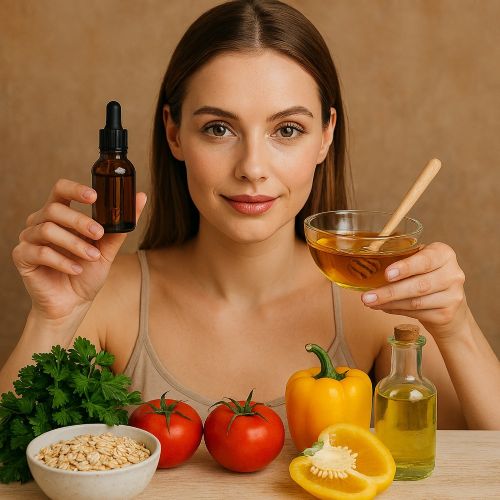 Storage: Store in a sealed container in a cool, dark place. The preservative is critical for this water-based product. The shelf life is 3-6 months.
The New Era of Cosmetics: A Return to Roots
The shift toward Ukrainian ingredients represents more than a passing fad. It is a testament to a growing demand for authenticity and a deeper connection to the sources of our products. By choosing ingredients from regions with rich agricultural heritage and ethical practices, cosmetic brands and home formulators are not just creating better products; they are participating in a movement toward a more sustainable, transparent, and effective beauty industry. This new era of cosmetics is a beautiful blend of ancient wisdom and modern standards, proving that some of the best-kept secrets for radiant skin lie in the natural treasures of the Earth.


Cosmetic ingredients and professional formulation blog
This section features expert materials on modern cosmetic actives. We cover peptides, polynucleotides PDRN, different forms of hyaluronic acid, retinoids, ceramides and other key components.
Special focus is given to active stability, ingredient compatibility and correct incorporation into formulas. You will find practical guides on working with anti-age actives, moisturizing complexes and barrier repair ingredients.
We examine how to properly combine myorelaxants with peptides, common mistakes when using unstable vitamin C forms and ways to improve the performance of moisturizing actives.
Separate materials are dedicated to base oils, extracts, emulsifiers and supporting ingredients. This helps create stable and effective formulas for both professional and home cosmetics.
The blog regularly publishes reviews of trending actives, comparisons of similar ingredients and step-by-step formulation recommendations. The content is aimed at formulators, technologists and anyone seriously involved in creating cosmetic products.
Why this blog is useful
Here you will find practical data on eye area care actives, lifting systems and ingredients that improve skin firmness and tone. We rely on real formulation experience and address the actual challenges that arise during product development.
You can also explore materials on skin protection and repair, depigmentation and anti-inflammatory actives. This approach supports a more systematic selection of ingredients.
FAQ
What topics are covered most often
The blog focuses on peptides, PDRN, hyaluronic acid of different molecular weights, retinoids, ceramides and their compatibility rules.
Are there practical recommendations on how to incorporate actives
Yes, most articles include practical notes on pH stability, incorporation temperature and common formulation mistakes.
Is the content only for professionals
The materials are useful both for formulators and technologists and for those who create cosmetics for personal use and want to understand how modern ingredients work.
Where can I go directly to the ingredients
All key actives are collected in the Actives section, while base components are available in base oils and related categories.



