-
 DIY: Video master classes
-
 Aromatherapy
-
 Felting master classes
-
 Eating at home
-
 DIY cosmetics for children
-
 Cooking recipes
-
 Detergents, cleaning products with your own hands
-
 Soap making as a business
-
 Natural cosmetics. Raw materials for cosmetics and soap.
-
 Natural oils in cosmetics
-
 News
-
 Recipes for balms and conditioners
-
 Bath Bomb Recipes
-
 Cream recipes. Cream making.
-
 Lotion recipes. Gel recipes.
-
 Mask recipes
-
 Soap recipes. Base soap. Soap from scratch.
-
 Recipes for all occasions
-
 Natural shampoo recipes
-
 Healthy Nutrition Recipes
-
 Scrub recipes. Massage tiles. Ubtan
-
 DIY candles
-
 Reference materials, questions, tips
-
 Startup - soap production
-
 Hair care. Tips, recipes
-
 Facial skin care. Cleansers.
-
 Body care. Tips, recipes
-
 Photo Reviews
-
 Chocolate Handmade


Mineral Face Cream SPF 30 with a Matte Effect
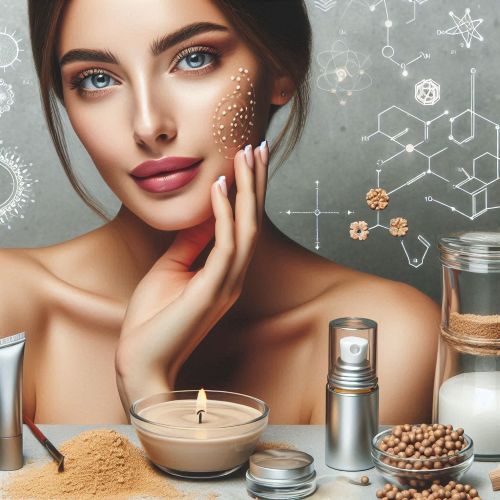 In a world saturated with synthetic sunscreens and pore-clogging foundations, the demand for natural, effective, and customizable skincare solutions is soaring. This article delves into the art of crafting a mineral face cream with SPF 30 and a matte finish, offering a superior alternative to commercial products. We will explore the benefits of mineral sunscreens, the importance of matte formulations, and provide detailed recipes to empower you to create your own personalized skincare masterpiece.
Why Choose a Mineral Sunscreen?
Mineral sunscreens, featuring zinc oxide and titanium dioxide, provide a physical barrier against harmful UV rays. Unlike chemical sunscreens that absorb UV radiation, mineral sunscreens reflect it, minimizing the risk of skin irritation and allergic reactions.
- Broad-Spectrum Protection: Mineral sunscreens offer effective protection against both UVA and UVB rays.
- Gentle on Sensitive Skin: Their inert nature makes them ideal for individuals with sensitive or acne-prone skin.
- Reef-Safe: Mineral sunscreens are environmentally friendly, posing no threat to coral reefs.
- Immediate Protection: They provide immediate sun protection upon application, unlike chemical sunscreens that require 20-30 minutes to activate.
The Importance of a Matte Finish:
A matte finish is essential for individuals with oily or combination skin, as it helps to control shine and create a smooth, even complexion.
- Oil Control: Matte formulations absorb excess sebum, preventing a greasy appearance.
- Pore Minimization: They create a blurring effect, minimizing the appearance of pores.
- Makeup Longevity: A matte base enhances the longevity of makeup application.
- Refined Texture: It provides a smooth, velvety finish, enhancing overall skin texture.
Crafting Your DIY Mineral Face Cream:
Recipe 1: Basic Mineral Matte Cream SPF 30
Ingredients:
- 2 tablespoons Zinc Oxide (non-nano)
- 1 tablespoon Titanium Dioxide (non-nano)
- 2 tablespoons Shea Butter
- 2 tablespoons Jojoba Oil
- 1 tablespoon Arrowroot Powder
- 1/2 teaspoon Vegetable Glycerin
- 1/4 teaspoon Vitamin E Oil
- Essential Oils (optional, for fragrance)
Instructions:
- **Prepare the Base:** In a double boiler or heat-safe bowl, gently melt the shea butter and jojoba oil until fully liquid.
- **Incorporate Zinc and Titanium Dioxide:** Remove from heat and allow to cool slightly. Carefully whisk in the zinc oxide and titanium dioxide, ensuring even dispersion. A small electric whisk or a milk frother can be useful.
- Add Matteifying and Humectant Agents: Add the arrowroot powder, vegetable glycerin, and vitamin E oil, whisking thoroughly to prevent clumping.
- Optional Fragrance: If desired, add a few drops of your preferred essential oils.
- Cool and Store: Transfer the cream to a clean, airtight container and allow to cool completely before use.
Recipe 2: Tinted Mineral Matte Cream SPF 30
Ingredients:
- Same as Recipe 1
- Iron Oxides (yellow, red, brown, black) for tinting
Instructions:
- Follow steps 1-4 from Recipe 1.
- Tinting: In a separate small bowl, mix a small amount of iron oxides to achieve your desired shade. Gradually add the tinted mixture to the cream, blending thoroughly until an even color is achieved.
- Cool and Store: Transfer the tinted cream to a clean, airtight container and allow to cool completely before use.
Recipe 3: Lightweight Mineral Matte Cream SPF 30 (for oily skin)
Ingredients:
- 2 tablespoons Zinc Oxide (non-nano)
- 1 tablespoon Titanium Dioxide (non-nano)
- 1.5 tablespoons Aloe Vera Gel
- 1 tablespoon Squalane Oil
- 1.5 tablespoons Cornstarch
- 1/2 teaspoon Hyaluronic Acid Serum
- 1/4 teaspoon Vitamin E Oil
- Essential Oils (optional, for fragrance)
Instructions:
- Combine Ingredients: In a bowl, combine aloe vera gel, squalane oil, hyaluronic acid serum, and vitamin E oil.
- Incorporate Powders: Gradually whisk in the zinc oxide, titanium dioxide, and cornstarch, ensuring a smooth consistency.
- Optional Fragrance: Add essential oils if desired.
- Blend thoroughly: Use an electric whisk to ensure all ingredients are well combined.
- Store: transfer the cream to an air tight container.
Useful Properties and Advantages Over Industrial Analogues:
- Customization: You can tailor the formulation to your specific skin type and needs.
- Natural Ingredients: Avoid harsh chemicals, preservatives, and synthetic fragrances.
- Cost-Effective: DIY skincare can be more affordable than high-end commercial products.
- Freshness: Homemade creams are made in small batches, ensuring freshness and potency.
- Transparency: You know exactly what ingredients are being applied to your skin.
- Reduced irritation: By removing common irritants, you can reduce the likelyhood of skin irritation.
Recommendations for Use:
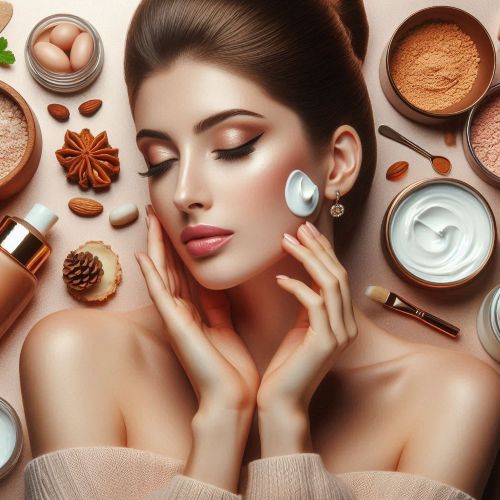
- Apply a generous amount of cream to your face and neck, ensuring even coverage.
- Reapply every two hours, especially after swimming or sweating.
- Perform a patch test before applying the cream to your entire face.
- Store the cream in a cool, dark place to maintain its potency.
- When using a tinted cream, be sure to apply evenly to avoid streaking.
- When using any new SPF product, avoid prolonged sun exposure during peak hours.
Storage:
- Store your homemade mineral face cream in a clean, airtight container.
- Keep it in a cool, dark place, away from direct sunlight and heat.
- Homemade creams typically have a shelf life of 3-6 months.
- Vitamin E oil will help with shelf life extention.
Conclusion:
By crafting your own mineral face cream with SPF 30 and a matte effect, you gain control over your skincare routine, ensuring that you apply only the finest natural ingredients to your skin. Embrace the art of DIY skincare and experience the radiant, healthy complexion you deserve.


Cosmetic ingredients and professional formulation blog
This section features expert materials on modern cosmetic actives. We cover peptides, polynucleotides PDRN, different forms of hyaluronic acid, retinoids, ceramides and other key components.
Special focus is given to active stability, ingredient compatibility and correct incorporation into formulas. You will find practical guides on working with anti-age actives, moisturizing complexes and barrier repair ingredients.
We examine how to properly combine myorelaxants with peptides, common mistakes when using unstable vitamin C forms and ways to improve the performance of moisturizing actives.
Separate materials are dedicated to base oils, extracts, emulsifiers and supporting ingredients. This helps create stable and effective formulas for both professional and home cosmetics.
The blog regularly publishes reviews of trending actives, comparisons of similar ingredients and step-by-step formulation recommendations. The content is aimed at formulators, technologists and anyone seriously involved in creating cosmetic products.
Why this blog is useful
Here you will find practical data on eye area care actives, lifting systems and ingredients that improve skin firmness and tone. We rely on real formulation experience and address the actual challenges that arise during product development.
You can also explore materials on skin protection and repair, depigmentation and anti-inflammatory actives. This approach supports a more systematic selection of ingredients.
FAQ
What topics are covered most often
The blog focuses on peptides, PDRN, hyaluronic acid of different molecular weights, retinoids, ceramides and their compatibility rules.
Are there practical recommendations on how to incorporate actives
Yes, most articles include practical notes on pH stability, incorporation temperature and common formulation mistakes.
Is the content only for professionals
The materials are useful both for formulators and technologists and for those who create cosmetics for personal use and want to understand how modern ingredients work.
Where can I go directly to the ingredients
All key actives are collected in the Actives section, while base components are available in base oils and related categories.



