-
 DIY: Video master classes
-
 Aromatherapy
-
 Felting master classes
-
 Eating at home
-
 DIY cosmetics for children
-
 Cooking recipes
-
 Detergents, cleaning products with your own hands
-
 Soap making as a business
-
 Natural cosmetics. Raw materials for cosmetics and soap.
-
 Natural oils in cosmetics
-
 News
-
 Recipes for balms and conditioners
-
 Bath Bomb Recipes
-
 Cream recipes. Cream making.
-
 Lotion recipes. Gel recipes.
-
 Mask recipes
-
 Soap recipes. Base soap. Soap from scratch.
-
 Recipes for all occasions
-
 Natural shampoo recipes
-
 Healthy Nutrition Recipes
-
 Scrub recipes. Massage tiles. Ubtan
-
 DIY candles
-
 Reference materials, questions, tips
-
 Startup - soap production
-
 Hair care. Tips, recipes
-
 Facial skin care. Cleansers.
-
 Body care. Tips, recipes
-
 Photo Reviews
-
 Chocolate Handmade


Matrixyl vs. Argireline: Which peptides are more popular in modern cosmetics?
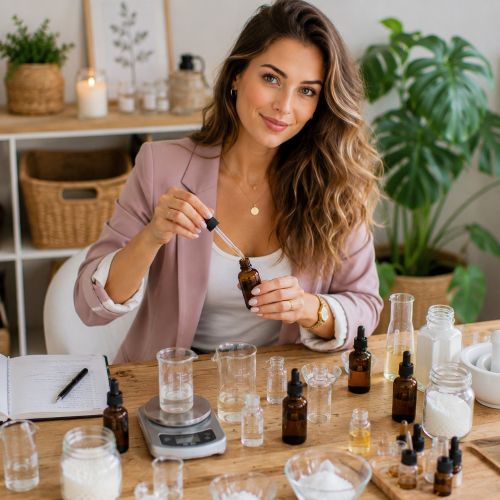 The integration of smart biomimetic molecules into daily skin care routines has permanently altered the anti aging market. Among the vast array of available cosmetic ingredients two specific peptide compounds have captured global attention Matrixyl and Argireline. Both ingredients are highly celebrated for their ability to combat signs of aging but they operate through entirely different physiological pathways. Choosing between them requires a clear understanding of their biochemistry mode of action and handling rules.
This comprehensive technical analysis explores the unique mechanisms of these industry leading peptides and provides three detailed formulations to create high potency home cosmetics that rival commercial brands.
The Biochemistry of Matrixyl Structural Remodeling and Skin Density
Matrixyl is a patented ingredient trademarked by Sederma that primarily utilizes signal peptides to communicate with deep dermal layers. The original version contains Palmitoyl Pentapeptide-4 while modern variations like Matrixyl 3000 blend Palmitoyl Tripeptide-1 and Palmitoyl Tetrapeptide-7. These molecules act as structural messengers. When they penetrate the epidermis they mimic the breakdown products of natural collagen signaling the skin that its structural matrix is damaged.
In response to this cellular signal fibroblast cells accelerate the synthesis of vital extracellular elements including collagen types one three and four as well as fibronectin and hyaluronic acid. The regular application of Matrixyl results in a measurable increase in skin thickness improved firmness and a significant reduction in the depth of structural wrinkles caused by UV damage and chronological aging. It effectively rebuilds the skin mattress from the inside out making it popular for restoring overall sagging facial contours.
The Biochemistry of Argireline The Non Invasive Topical Muscle Relaxant
Argireline manufactured by Lipotec is the commercial name for Acetyl Hexapeptide-8. Unlike Matrixyl which targets the structural dermal layer Argireline functions as a neurotransmitter-inhibiting peptide. Its specific mechanical target is the neuromuscular junction. It mimics a fragment of the SNAP-25 protein which is a critical component of the SNARE complex responsible for triggering muscle contractions.
When applied topically Argireline competes with the natural proteins for a position in the SNARE complex. By destabilizing this complex it slightly dampens the signal sent from nerves to facial muscles. As the underlying mimic muscles relax the overlying skin layout flattens out. This action mimics the mechanical effects of Botulinum Toxin Type A injections making Argireline highly popular for targeting dynamic expression lines such as forehead furrows horizontal brow creases and fine crow feet around the eyes.
Market Popularity and Product Development Trends
When evaluating which peptide is more popular in modern cosmetics the answer depends entirely on the formulation goals. Argireline dominates the targeted fast acting product sector. It is highly sought after for eye creams localized forehead treatments and flash lifting serums where consumers expect to see a smoothing of expression lines within a short period of continuous use.
Matrixyl holds a broader popularity in foundational long term care. It is the preferred choice for comprehensive face creams anti aging overnight lotions and total neck and jawline serums. Modern laboratory trends frequently combine both ingredients into a single routine. By leveraging the muscle relaxing traits of Argireline alongside the structural rebuilding power of Matrixyl cosmetic chemists can offer complete protection against both dynamic and static lines.
Advantages of Handcrafted Peptide Serums Over Industrial Brands
The primary limitation of mass market peptide products is the issue of cost optimization. Because pure Matrixyl and Argireline solutions are expensive raw materials industrial manufacturers often include them at minimal threshold dosages just to feature the names on product labels. These small amounts cannot achieve real physiological changes in skin architecture. By formulating at home you can add these actives at their maximum recommended therapeutic percentages.
Furthermore retail brands frequently stabilize their products with heavy synthetic polymers volatile silicones and aggressive petroleum derivatives to extend shelf life in warehouse conditions. These fillers can form an occlusive suffocating barrier over the skin leading to congested pores and reduced active absorption. Custom formulating allows you to dissolve your high tech peptides within clean biocompatible hydro-gels such as low molecular weight hyaluronic acid or pure rose hydrosol maximizing ingredient bioavailability.
Technical Nuances of Processing Matrixyl and Argireline
Both Matrixyl and Argireline are water soluble ingredients that are inherently sensitive to thermal stress and extreme changes in environmental acidity. Exposing these peptide complexes to temperatures higher than forty degrees can destabilize their delicate peptide bonds causing the amino acid chains to denature and lose their active biochemical properties. Therefore they must always be introduced during the final cool down phase of production when the base formulation has reached room temperature.
Maintaining a strict pH environment is also crucial for the longevity of the finished product. Argireline is most stable within a pH range of three point zero to six point zero while Matrixyl performs best between pH five point five and six point five. When blending both ingredients into a single system the ideal target pH is five point five. This balanced level protects the stability of both compounds and matches the natural acidic mantle of a healthy skin barrier.
Recipe One Structural Matrixyl 3000 Deep Volume Repair Serum
An intensive full face treatment designed to boost structural collagen density and smooth out deeper vertical lines.
Composition Eighty milliliters distilled water Five milliliters Matrixyl 3000 solution One point five grams low molecular weight hyaluronic acid powder Three milliliters vegetable glycerin Two milliliters D panthenol Broad spectrum eco-friendly preservative
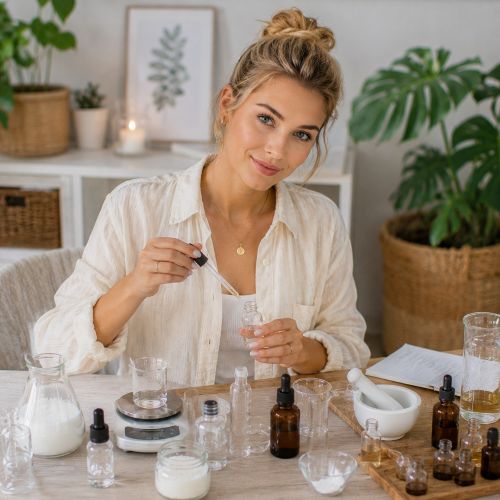
Preparation Step one Sterilize all laboratory glass beakers measuring pipettes and mixing rods with seventy percent isopropyl alcohol. Step two Measure the distilled water into a clean glass beaker and sprinkle the hyaluronic acid powder evenly over the surface. Step three Leave the mixture undisturbed for forty five minutes to allow the hyaluronic acid to hydrate and create a clear gel. Step four Blend the vegetable glycerin and D panthenol together in a separate small container until uniform. Step five Pour the glycerin mixture into the hydrated hyaluronic acid gel and stir slowly to prevent the formation of excessive air bubbles. Step six Ensure the gel is entirely at room temperature then slowly add the Matrixyl 3000 solution stirring thoroughly. Step seven Incorporate the eco friendly preservative check the final pH with a testing strip and pour the serum into an amber glass dropper bottle.
Recipe Two Localized Argireline Express Expression Line Smoother
A targeted thin fluid designed to relax deep dynamic lines on the forehead and around the sensitive eye contours.
Composition Seventy five milliliters organic cornflower hydrosol Eight milliliters Argireline solution One gram high molecular weight hyaluronic acid powder Five milliliters pure aloe vera juice concentrate Two milliliters marine collagen peptide fluid Gentle water soluble preservative
Preparation Step one Set up a clean sanitized workspace and ensure all tools are dry. Step two Combine the cornflower hydrosol and aloe vera juice in your main glass vessel. Step three Dust the high molecular weight hyaluronic acid powder over the liquid base and mix briefly using a mini whisk. Step four Allow the gel base to stand for thirty minutes until a smooth fluid gel forms. Step five Introduce the marine collagen peptide fluid into the mixture to support hydration. Step six Add the active Argireline solution to the completely cooled gel and stir with slow circular movements for two minutes. Step seven Add the water soluble preservative check that the pH is close to five point five and package the liquid into small rollerball tubes for precise application.
Recipe Three The Ultimate Dual Peptide Age Defying Cream Fluid
A premium fluid emulsion that pairs both powerhouse peptides together for full spectrum anti wrinkle action.
Composition Sixty milliliters lavender hydrosol Four milliliters Matrixyl 3000 solution Four milliliters Argireline solution Six milliliters plant derived squalane Three grams lightweight emulsifying wax Two milliliters jojoba oil Preservative system
Preparation Step one Sanitize all containers tools and your packaging system before beginning. Step two In one heat resistant beaker combine the lavender hydrosol and heat gently in a water bath to a warm temperature. Step three In a second heat resistant beaker combine the squalane jojoba oil and emulsifying wax melting them together over the same water bath. Step four Slowly pour the warm water phase into the melted oil phase while whisking rapidly with a mini mixer to create a smooth white emulsion. Step five Continue stirring gently as the cream naturally cools down to room temperature. Step six Once the emulsion is completely cool add the Matrixyl 3000 solution Argireline solution and the preservative system. Step seven Perform a final intensive mix to distribute the peptides evenly throughout the cream base then package the product into an airless pump container.
Detailed Recommendations for Application Techniques and Routine Pairing
To capture the true physiological benefits of peptides consistency is critical. Peptides work via cumulative cellular signaling meaning they must be present in the skin continuously to show results. Apply your chosen serum twice daily once during your morning routine and once before sleep. For maximum absorption always apply these lightweight peptide fluids immediately after cleansing and toning while your skin cells are still damp and receptive.
When using the Argireline expression line smoother tap the product gently directly onto dynamic wrinkle zones using your ring finger rather than rubbing it over the whole face. For the Matrixyl serum massage it into the skin with smooth upward motions focusing on areas prone to volume loss like the cheeks jawline and neck. If your daily skincare regimen includes direct acids or pure vitamin C always apply those acidic elements first wait twenty minutes for your skin pH to normalize and then apply your peptide serums to prevent the proteins from breaking down.
Technical Storage Guidelines and Potency Preservation
Artisanal peptide formulations require careful storage conditions to protect the delicate structural links of the active ingredients from degradation. Because these recipes exclude heavy synthetic stabilizers they are vulnerable to extreme temperature swings and direct solar radiation. Always store your finished peptide serums and creams in a cool dark cabinet away from direct window light and bathroom steam. Keeping the products in a dedicated skincare refrigerator is an excellent method for ensuring long term stability.
Using airless pump bottles or dark opaque glass droppers is highly recommended to protect the formulas. This design limits the product exposure to atmospheric oxygen and ambient humidity which can accelerate the oxidation of accompanying carrier oils. When created with strict sanitary practices and an appropriate preservative system your handcrafted peptide cosmetics will remain stable and active for a period of three to four months. If you notice any separation of phases a significant thinning of the gel or a change in the clean scent you should discard the batch and prepare a fresh one to guarantee optimal skin safety.


Cosmetic ingredients and professional formulation blog
This section features expert materials on modern cosmetic actives. We cover peptides, polynucleotides PDRN, different forms of hyaluronic acid, retinoids, ceramides and other key components.
Special focus is given to active stability, ingredient compatibility and correct incorporation into formulas. You will find practical guides on working with anti-age actives, moisturizing complexes and barrier repair ingredients.
We examine how to properly combine myorelaxants with peptides, common mistakes when using unstable vitamin C forms and ways to improve the performance of moisturizing actives.
Separate materials are dedicated to base oils, extracts, emulsifiers and supporting ingredients. This helps create stable and effective formulas for both professional and home cosmetics.
The blog regularly publishes reviews of trending actives, comparisons of similar ingredients and step-by-step formulation recommendations. The content is aimed at formulators, technologists and anyone seriously involved in creating cosmetic products.
Why this blog is useful
Here you will find practical data on eye area care actives, lifting systems and ingredients that improve skin firmness and tone. We rely on real formulation experience and address the actual challenges that arise during product development.
You can also explore materials on skin protection and repair, depigmentation and anti-inflammatory actives. This approach supports a more systematic selection of ingredients.
FAQ
What topics are covered most often
The blog focuses on peptides, PDRN, hyaluronic acid of different molecular weights, retinoids, ceramides and their compatibility rules.
Are there practical recommendations on how to incorporate actives
Yes, most articles include practical notes on pH stability, incorporation temperature and common formulation mistakes.
Is the content only for professionals
The materials are useful both for formulators and technologists and for those who create cosmetics for personal use and want to understand how modern ingredients work.
Where can I go directly to the ingredients
All key actives are collected in the Actives section, while base components are available in base oils and related categories.



