-
 DIY: Video master classes
-
 Aromatherapy
-
 Felting master classes
-
 Eating at home
-
 DIY cosmetics for children
-
 Cooking recipes
-
 Detergents, cleaning products with your own hands
-
 Soap making as a business
-
 Natural cosmetics. Raw materials for cosmetics and soap.
-
 Natural oils in cosmetics
-
 News
-
 Recipes for balms and conditioners
-
 Bath Bomb Recipes
-
 Cream recipes. Cream making.
-
 Lotion recipes. Gel recipes.
-
 Mask recipes
-
 Soap recipes. Base soap. Soap from scratch.
-
 Recipes for all occasions
-
 Natural shampoo recipes
-
 Healthy Nutrition Recipes
-
 Scrub recipes. Massage tiles. Ubtan
-
 DIY candles
-
 Reference materials, questions, tips
-
 Startup - soap production
-
 Hair care. Tips, recipes
-
 Facial skin care. Cleansers.
-
 Body care. Tips, recipes
-
 Photo Reviews
-
 Chocolate Handmade


Matrixyl 3000 is one of the most popular peptides in the world. Review of properties and cream formula
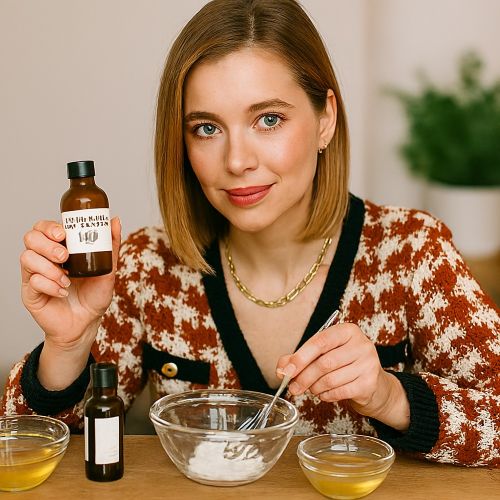 In the quest for youthful, resilient skin, few ingredients have achieved the legendary status of Matrixyl 3000. This innovative complex is not a single peptide but a synergistic blend of two powerful signaling molecules: Palmitoyl Tripeptide-1 and Palmitoyl Tetrapeptide-7. Together, they function as potent cellular messengers, telling the skin to repair itself and ramp up the production of age-defying proteins. Matrixyl 3000 is often considered a gold standard in anti-aging, directly targeting the structural damage that causes wrinkles and loss of firmness. While serums containing this peptide can be prohibitively expensive, formulating your own allows you to harness its full power at the optimal concentration. This article provides a detailed review of Matrixyl 3000's properties, explains its mechanism of action, and offers three detailed recipes for potent skincare products. You'll learn the nuances of preparation and the significant advantages of creating your own peptide treatments over buying commercial alternatives.
The Mechanism of Action: How Matrixyl 3000 Reverses Aging
Matrixyl 3000 is classified as a signaling peptide. Its primary role is to mimic the fragments of degraded collagen that the body naturally produces when it needs repair. When these fragments are applied topically, the skin interprets them as a sign that its structural matrix is breaking down, triggering a powerful, restorative response.
-
Dual-Action Signaling: The two peptides work together. Palmitoyl Tripeptide-1 signals fibroblasts to produce more collagen and glycosaminoglycans (like Hyaluronic Acid), which are the essential fillers and cushions of the skin. Palmitoyl Tetrapeptide-7 reduces the production of pro-inflammatory mediators, which slows down the degradation of the matrix.
-
Deep Anti-Wrinkle Effect: By stimulating the synthesis of both collagen and elastin, Matrixyl 3000 effectively rebuilds the dermal layer from within. Clinical studies have shown significant reduction in the depth and density of wrinkles, leading to smoother, firmer skin.
-
Restoration of the Skin's Foundation: The peptide not only boosts collagen but also helps synthesize fibronectin and laminin, which are crucial components of the Dermo-Epidermal Junction (DEJ). A strong DEJ is essential for nutrient transfer and skin firmness.
Three Detailed Recipes Featuring Matrixyl 3000
Matrixyl 3000 is water-soluble, making it easy to incorporate into serums, creams, and gels. The recommended usage rate is typically between 3% and 8% of the total formula.
Recipe 1: The Essential Matrixyl 3000 Anti-Aging Cream
This balanced cream provides both the active peptide and nourishing oils for comprehensive anti-aging care.
-
Prepare the water phase. In a sterilized beaker, weigh 60g of distilled water and 5g of vegetable glycerin. Heat to 70°C.
-
Prepare the oil phase. In a separate beaker, combine 10g of Jojoba Oil (similar to skin's natural sebum), 10g of Shea Butter, and 5g of a gentle emulsifying wax like Olivem 1000. Heat to 70°C.
-
Emulsify. Slowly pour the hot water phase into the hot oil phase, mixing with a hand blender in short pulses until a creamy emulsion forms. Continue mixing as the cream cools.
-
Add the key active. When the cream cools to below 40°C, add 5g of Matrixyl 3000 solution. This is the optimal concentration for noticeable results. Stir thoroughly.
-
Add a synergistic active and preservative. Add 4g of Niacinamide (Vitamin B3), which works well with peptides to boost barrier function. Finally, add 1g of a broad-spectrum preservative like Geogard 221. Stir well and transfer to an airtight jar.
Recommendations for Use: Apply a small amount to the face, neck, and décolletage every evening.
Storage: Store in a cool, dark place. The shelf life is up to 3 months.
Recipe 2: Lightweight Peptide-Hyaluronic Acid Serum
This simple, water-based serum delivers the peptide quickly and efficiently, combining it with intense hydration.
-
Prepare the Hyaluronic Acid base. In a sterilized beaker, weigh 85g of distilled water. Slowly add 2g of Low Molecular Weight Hyaluronic Acid powder, stirring occasionally until a uniform, clear gel forms (this may take several hours).
-
Add the main active. Add 8g of Matrixyl 3000 solution. Using a higher concentration in a serum base maximizes delivery to the skin. Stir gently to integrate.
-
Add a soothing agent. Add 4g of Panthenol (Vitamin B5) solution to soothe and moisturize the skin.
-
Add the preservative. Add 1g of a broad-spectrum preservative like Euxyl PE 9010.
-
Check the pH and package. Check the pH of the serum. It should be between 5.0 and 6.0. Pour the serum into a dark glass dropper bottle.
Recommendations for Use: Apply 2-3 drops to clean, slightly damp skin twice daily. Follow immediately with a moisturizer.
Storage: Store in a cool, dark place. The shelf life is up to 6 months.
Recipe 3: Targeted Eye and Lip Area Gel
This minimalist gel is perfect for the delicate skin where wrinkles often first appear, providing targeted firming.
-
Prepare the water base. In a sterilized beaker, weigh 90g of distilled water.
-
Add the gelling agent. Slowly sprinkle 0.5g of Xanthan Gum over the water, stirring until a light, clear gel forms.
-
Add the active peptide. Add 8g of Matrixyl 3000 solution. Stir gently until completely blended.
-
Add the preservative. Add 1.5g of a broad-spectrum preservative.
-
Check the pH and package. Adjust the pH to be between 5.0 and 6.0. Pour the gel into a small, airtight pump or rollerball bottle for precise application.
Recommendations for Use: Dab a small amount onto the outer corners of the eyes and around the lips twice daily.
Storage: Store in a cool, dark place. The shelf life is up to 6 months.
Advantages Over Industrial Matrixyl 3000 Products
While Matrixyl 3000 is popular across all price points, crafting your own formula provides significant advantages, especially concerning efficacy and purity.
-
Guaranteed Effective Concentration: Matrixyl 3000 is an expensive raw material. Many commercial brands may list it on the label but use it at a concentration of 1% or less, which is below the range needed for scientifically proven results. By making your own, you ensure the peptide is included at the optimal 5% to 8% concentration.
-
Purity and Minimized Irritants: Mass-produced products often contain a large percentage of fillers, synthetic fragrances, silicones, and dyes to improve texture and shelf appeal. Your homemade cream is clean and minimalist, eliminating known irritants that can compromise the skin barrier and counteract the benefits of the peptide.
-
Superior Oil Quality: In a homemade cream, you can select premium, cold-pressed botanical oils like Jojoba or Rosehip, which retain their natural vitamins and antioxidants. Commercial creams often rely on cheaper mineral oil or synthetic emollients.
-
Cost-Effectiveness: Purchasing a top-tier Matrixyl 3000 serum can be extremely costly. The cost of raw materials for an equally potent, fresh, and pure DIY version is dramatically lower, offering premium results without the premium price tag.
Creating your own Matrixyl 3000 product empowers you to use one of the most effective anti-aging ingredients available, fully customized to your skin's needs and guaranteed to be at its maximum effective dosage.


Cosmetic ingredients and professional formulation blog
This section features expert materials on modern cosmetic actives. We cover peptides, polynucleotides PDRN, different forms of hyaluronic acid, retinoids, ceramides and other key components.
Special focus is given to active stability, ingredient compatibility and correct incorporation into formulas. You will find practical guides on working with anti-age actives, moisturizing complexes and barrier repair ingredients.
We examine how to properly combine myorelaxants with peptides, common mistakes when using unstable vitamin C forms and ways to improve the performance of moisturizing actives.
Separate materials are dedicated to base oils, extracts, emulsifiers and supporting ingredients. This helps create stable and effective formulas for both professional and home cosmetics.
The blog regularly publishes reviews of trending actives, comparisons of similar ingredients and step-by-step formulation recommendations. The content is aimed at formulators, technologists and anyone seriously involved in creating cosmetic products.
Why this blog is useful
Here you will find practical data on eye area care actives, lifting systems and ingredients that improve skin firmness and tone. We rely on real formulation experience and address the actual challenges that arise during product development.
You can also explore materials on skin protection and repair, depigmentation and anti-inflammatory actives. This approach supports a more systematic selection of ingredients.
FAQ
What topics are covered most often
The blog focuses on peptides, PDRN, hyaluronic acid of different molecular weights, retinoids, ceramides and their compatibility rules.
Are there practical recommendations on how to incorporate actives
Yes, most articles include practical notes on pH stability, incorporation temperature and common formulation mistakes.
Is the content only for professionals
The materials are useful both for formulators and technologists and for those who create cosmetics for personal use and want to understand how modern ingredients work.
Where can I go directly to the ingredients
All key actives are collected in the Actives section, while base components are available in base oils and related categories.



