-
 DIY: Video master classes
-
 Aromatherapy
-
 Felting master classes
-
 Eating at home
-
 DIY cosmetics for children
-
 Cooking recipes
-
 Detergents, cleaning products with your own hands
-
 Soap making as a business
-
 Natural cosmetics. Raw materials for cosmetics and soap.
-
 Natural oils in cosmetics
-
 News
-
 Recipes for balms and conditioners
-
 Bath Bomb Recipes
-
 Cream recipes. Cream making.
-
 Lotion recipes. Gel recipes.
-
 Mask recipes
-
 Soap recipes. Base soap. Soap from scratch.
-
 Recipes for all occasions
-
 Natural shampoo recipes
-
 Healthy Nutrition Recipes
-
 Scrub recipes. Massage tiles. Ubtan
-
 DIY candles
-
 Reference materials, questions, tips
-
 Startup - soap production
-
 Hair care. Tips, recipes
-
 Facial skin care. Cleansers.
-
 Body care. Tips, recipes
-
 Photo Reviews
-
 Chocolate Handmade


Shower Oil: Luxurious Moisturizing and Skin Care
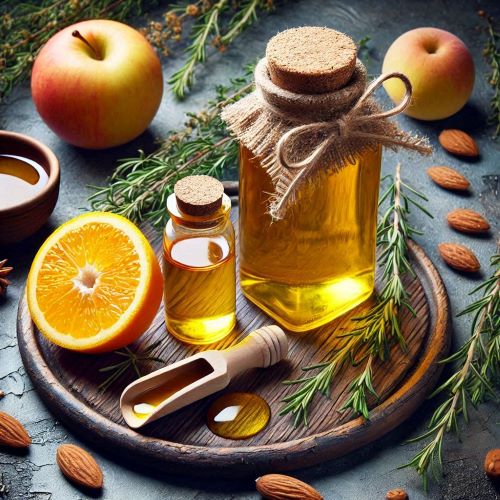 Shower oil is a gentle and effective way to cleanse and moisturize your skin simultaneously. Unlike traditional soaps and shower gels that can strip the skin of its natural oils, shower oil cleanses without drying, leaving your skin feeling soft, supple, and hydrated. This article explores the benefits of shower oil, provides detailed recipes for making your own, and highlights its advantages over conventional cleansing products.
What is Shower Oil and Why Choose It?
Shower oil is a cleansing product formulated with oils as its primary base. When in contact with water, it emulsifies, creating a light, milky lather that gently removes dirt and impurities without disrupting the skin's natural lipid barrier. This makes it particularly beneficial for dry, sensitive, or mature skin.
Key Benefits of Shower Oil:
- Gentle Cleansing: Cleanses without stripping natural oils, preventing dryness and irritation.
- Intense Moisturizing: Oils deeply nourish and hydrate the skin, leaving it soft and supple.
- Improved Skin Barrier Function: Helps maintain the skin's protective barrier, preventing moisture loss and protecting against environmental aggressors.
- Suitable for Sensitive Skin: Often free from harsh sulfates and synthetic fragrances, making it suitable for sensitive skin types.
- Luxurious Experience: Provides a pampering and indulgent shower experience.
Advantages of Homemade Shower Oil Over Commercial Products:
While commercial shower oils are available, making your own offers several advantages:
- Customization: You can tailor the oil blend to your specific skin needs and preferences.
- Natural Ingredients: You have full control over the ingredients, allowing you to choose high-quality, natural oils and avoid harsh chemicals, synthetic fragrances, and preservatives.
- Cost-Effective: Making your own shower oil can be more economical in the long run.
- Reduced Waste: You can use reusable containers, minimizing plastic waste.
Recipes for Homemade Shower Oil:
Here are three detailed recipes for creating your own luxurious shower oil:
1. Basic Moisturizing Shower Oil:
-
Ingredients:
- 100ml Sweet Almond Oil (nourishing and gentle)
- 50ml Grapeseed Oil (lightweight and easily absorbed)
- 10ml Polysorbate 80 (emulsifier to help the oil mix with water)
- 5-10 drops Essential Oil of your choice (e.g., Lavender, Chamomile, or Geranium)
-
Instructions:
- Combine the sweet almond oil and grapeseed oil in a clean bottle.
- Add the Polysorbate 80 and stir well until fully incorporated.
- Add the essential oils and gently swirl to combine.
2. Nourishing Avocado and Jojoba Shower Oil:
-
Ingredients:
- 70ml Avocado Oil (rich in vitamins and fatty acids)
- 50ml Jojoba Oil (balances oil production and mimics skin's sebum)
- 10ml Polysorbate 80
- 5 drops Frankincense Essential Oil (anti-aging properties)
- 3 drops Sandalwood Essential Oil (soothing and grounding)
-
Instructions: Follow the same instructions as the basic moisturizing shower oil.
3. Invigorating Citrus Shower Oil:
-
Ingredients:
- 80ml Sunflower Oil (lightweight and readily absorbed)
- 40ml Apricot Kernel Oil (softening and revitalizing)
- 10ml Polysorbate 80
- 5 drops Sweet Orange Essential Oil (uplifting and energizing)
- 3 drops Grapefruit Essential Oil (detoxifying and refreshing)
-
Instructions: Follow the same instructions as the basic moisturizing shower oil.
Recommendations for Use:
- Apply to Damp Skin: Apply the shower oil to damp skin in the shower or bath.
- Massage Gently: Massage the oil onto your skin in circular motions.
- Rinse Thoroughly: Rinse with warm water. The oil will emulsify and create a light, milky lather that rinses clean without leaving a greasy residue.
- Pat Skin Dry: Gently pat your skin dry with a towel to avoid removing the remaining moisture.
- Adjust Essential Oils: Choose essential oils based on your preferences and skin needs. Always dilute essential oils properly.
- Patch Test: Perform a patch test before using any new blend, especially if you have sensitive skin.
Recommendations for Storage:
- Store in a Cool, Dark Place: Store your shower oil in a cool, dark place away from direct sunlight and heat to prevent the oils from oxidizing.
- Use a Dark Glass Bottle: Dark glass bottles help protect the oils from light degradation.
- Tight Seal: Ensure the bottle is tightly sealed to prevent oxidation and contamination.
- Shelf Life: Homemade shower oils typically have a shelf life of 6-12 months, depending on the oils used. Check for any changes in smell or appearance before each use.
By making your own shower oil, you can create a luxurious and personalized cleansing experience that nourishes and protects your skin, leaving it feeling healthy and radiant.


Cosmetic ingredients and professional formulation blog
This section features expert materials on modern cosmetic actives. We cover peptides, polynucleotides PDRN, different forms of hyaluronic acid, retinoids, ceramides and other key components.
Special focus is given to active stability, ingredient compatibility and correct incorporation into formulas. You will find practical guides on working with anti-age actives, moisturizing complexes and barrier repair ingredients.
We examine how to properly combine myorelaxants with peptides, common mistakes when using unstable vitamin C forms and ways to improve the performance of moisturizing actives.
Separate materials are dedicated to base oils, extracts, emulsifiers and supporting ingredients. This helps create stable and effective formulas for both professional and home cosmetics.
The blog regularly publishes reviews of trending actives, comparisons of similar ingredients and step-by-step formulation recommendations. The content is aimed at formulators, technologists and anyone seriously involved in creating cosmetic products.
Why this blog is useful
Here you will find practical data on eye area care actives, lifting systems and ingredients that improve skin firmness and tone. We rely on real formulation experience and address the actual challenges that arise during product development.
You can also explore materials on skin protection and repair, depigmentation and anti-inflammatory actives. This approach supports a more systematic selection of ingredients.
FAQ
What topics are covered most often
The blog focuses on peptides, PDRN, hyaluronic acid of different molecular weights, retinoids, ceramides and their compatibility rules.
Are there practical recommendations on how to incorporate actives
Yes, most articles include practical notes on pH stability, incorporation temperature and common formulation mistakes.
Is the content only for professionals
The materials are useful both for formulators and technologists and for those who create cosmetics for personal use and want to understand how modern ingredients work.
Where can I go directly to the ingredients
All key actives are collected in the Actives section, while base components are available in base oils and related categories.



