-
 DIY: Video master classes
-
 Aromatherapy
-
 Felting master classes
-
 Eating at home
-
 DIY cosmetics for children
-
 Cooking recipes
-
 Detergents, cleaning products with your own hands
-
 Soap making as a business
-
 Natural cosmetics. Raw materials for cosmetics and soap.
-
 Natural oils in cosmetics
-
 News
-
 Recipes for balms and conditioners
-
 Bath Bomb Recipes
-
 Cream recipes. Cream making.
-
 Lotion recipes. Gel recipes.
-
 Mask recipes
-
 Soap recipes. Base soap. Soap from scratch.
-
 Recipes for all occasions
-
 Natural shampoo recipes
-
 Healthy Nutrition Recipes
-
 Scrub recipes. Massage tiles. Ubtan
-
 DIY candles
-
 Reference materials, questions, tips
-
 Startup - soap production
-
 Hair care. Tips, recipes
-
 Facial skin care. Cleansers.
-
 Body care. Tips, recipes
-
 Photo Reviews
-
 Chocolate Handmade


Summer facial peeling - safe skin renewal at home
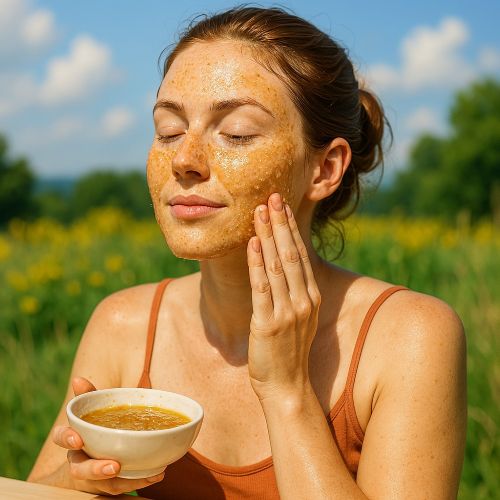 Summer is a time for sun, fun, and often, increased skin exposure. While we embrace the warmth, our skin can accumulate dead cells, sweat, and environmental impurities, leading to dullness and clogged pores. Traditional harsh chemical peels are often advised against during peak sun exposure due to increased photosensitivity. However, gentle facial peeling is still crucial for maintaining healthy, radiant skin. This article dives into the world of safe, homemade summer facial peels, offering detailed recipes that nourish and renew without compromising your skin's delicate barrier. We'll explore the nuances of preparation, their beneficial properties, and why these DIY solutions often hold an advantage over their industrial counterparts.
Why Gentle Exfoliation is Essential in Summer
Many believe that all forms of peeling should be avoided in summer, but this isn't entirely true. While aggressive chemical peels and strong retinoids should definitely be paused, mild exfoliation remains vital. Here's why:
- Prevents Clogged Pores: Increased sweating and sunscreen use can lead to more clogged pores and breakouts. Gentle exfoliation helps keep them clear.
- Enhances Product Absorption: Removing dead skin cells allows your moisturizers, serums, and most importantly, your sunscreen, to penetrate and work more effectively.
- Maintains Radiance: Dead skin cells can make your complexion look dull. Gentle peels reveal the fresh, glowing skin underneath.
- Reduces Pigmentation: While not a primary treatment, mild exfoliation can help in the even turnover of skin cells, potentially reducing the appearance of sun spots over time.
- Safer Alternative: Homemade peels often rely on natural enzymes and mild acids (like lactic acid from dairy) that are less aggressive than synthetic chemicals, making them suitable for summer use when accompanied by diligent sun protection.
Key Ingredients for Your Summer DIY Peels
The beauty of homemade peels lies in their simplicity and reliance on natural ingredients. Here are some heroes for your summer formulations:
- Fruit Enzymes (Papain from Papaya, Bromelain from Pineapple): These naturally occurring enzymes gently digest dead protein cells on the skin's surface without causing abrasion.
- Alpha Hydroxy Acids (AHAs) from Dairy (Lactic Acid in Yogurt/Milk) or Fruits: Mild concentrations of AHAs provide chemical exfoliation by loosening the bonds between dead skin cells.
- Fine Grains (Oatmeal, Rice Flour): For very gentle physical exfoliation, often combined with enzymatic action.
- Soothing & Hydrating Agents: Honey, aloe vera, glycerin, and various natural oils help to calm and moisturize the skin post-exfoliation.
Three Unique DIY Summer Facial Peel Recipes for Home Renewal
Always perform a patch test on a small, inconspicuous area of skin (like behind the ear or on the inner forearm) 24 hours before applying any new peel to your entire face, especially if you have sensitive skin.
Recipe 1: The Cooling Oatmeal & Honey Soothe-and-Exfoliate Peel
Perfect for calming sun-kissed skin while gently sloughing off dead cells.
Ingredients:
- 2 tablespoons finely ground colloidal oatmeal (ensures gentle exfoliation and soothing properties)
- 1 tablespoon raw honey (a natural humectant and antibacterial agent)
- 1 tablespoon plain, unsweetened yogurt (source of lactic acid for mild chemical exfoliation, cooling)
- 1 teaspoon aloe vera gel (soothing, anti-inflammatory, and hydrating)
Preparation Nuances & Instructions:
- In a small, clean, non-metallic bowl, combine the finely ground colloidal oatmeal and raw honey. Mix until well incorporated.
- Add the plain yogurt and aloe vera gel. Stir thoroughly until you achieve a smooth, paste-like consistency. If it's too thick, add a tiny bit more yogurt; if too thin, a pinch more oatmeal.
- Ensure all ingredients are well blended and there are no dry clumps of oatmeal. The consistency should be easy to spread but not runny.
Recommendations for Use:
Cleanse your face thoroughly. Apply an even, thin layer of the peel to your damp face, avoiding the delicate eye and lip areas. Leave on for 10-15 minutes. During this time, the lactic acid and very fine oatmeal will work gently. To remove, wet your fingertips and gently massage your face in small, circular motions for about 30 seconds to provide a mild physical exfoliation. Rinse thoroughly with lukewarm water until no residue remains. Pat dry. Use 1-2 times per week.
Storage:
This peel is highly perishable due to the fresh yogurt and aloe vera. It is best to prepare it fresh for each use. If you have any leftover, store it in an airtight container in the refrigerator for no more than 24 hours, but potency and safety may decrease.
Advantages over Industrial Analogues:
- Extreme Gentleness: Ideal for sensitive or easily irritated summer skin, unlike many harsher store-bought peels.
- Soothing Properties: Oatmeal and aloe vera actively calm and reduce redness, perfect after sun exposure.
- Natural Ingredients: Free from synthetic fragrances, dyes, parabens, and strong chemical exfoliants.
- Freshness and Potency: You guarantee the freshness of the active ingredients, which can degrade over time in packaged products.
- Cost-Effective: Made from common pantry items, significantly cheaper than premium exfoliating products.
Recipe 2: The Brightening Berry & Yogurt Enzyme Peel
A burst of antioxidants and mild enzymatic action for a brighter, more even complexion.
Ingredients:
- 1/4 cup mixed berries (strawberries, raspberries, blueberries - fresh or thawed, but not frozen solid) - *Rich in antioxidants and natural fruit acids.*
- 2 tablespoons plain, unsweetened Greek yogurt (higher lactic acid content for gentle exfoliation and thickness)
- 1 teaspoon raw honey (optional, for added hydration and antibacterial benefits)
Preparation Nuances & Instructions:
- In a clean bowl, mash the berries thoroughly with a fork or use a blender/food processor for a smoother consistency. Strain if you prefer to remove seeds (especially for sensitive skin), but the fine seeds can offer very mild physical exfoliation.
- Add the Greek yogurt and honey (if using) to the mashed berries. Mix well until a uniform, creamy paste forms.
- Ensure the berries are ripe but not overly ripe to maintain enzyme activity.
Recommendations for Use:
On a clean, damp face, apply the peel evenly, avoiding the eye and lip areas. Leave on for 10-15 minutes. The natural acids and enzymes will work to gently loosen dead skin cells. Rinse thoroughly with lukewarm water. Pat dry. Use 1-2 times per week. This peel is particularly beneficial for dull or uneven skin tones.
Storage:
Due to the fresh fruit and yogurt, this peel should be prepared immediately before use. Any excess must be discarded.
Advantages over Industrial Analogues:
- Potent Antioxidants: Provides a direct infusion of fresh berry antioxidants that might be degraded or in lower concentrations in packaged goods.
- Natural Brightening: Berry acids and yogurt's lactic acid gently brighten the complexion without harsh chemicals.
- No Abrasive Particles: Relies on enzymatic and mild chemical exfoliation, making it suitable for those who avoid physical scrubs.
- Customizable Consistency: You control how smooth or slightly textured the peel is by how much you mash/blend the berries.
Recipe 3: The Hydrating Aloe & Tropical Enzyme Peel
A soothing, hydrating peel leveraging fruit enzymes for a refreshed summer glow.
Ingredients:
- 2 tablespoons fresh papaya puree (use very ripe papaya for higher papain enzyme content)
- 1 tablespoon fresh pineapple juice (contains bromelain, but use sparingly as it can be potent)
- 2 tablespoons pure aloe vera gel (soothes, hydrates, and acts as a base)
- 1/2 teaspoon fine white clay (Kaolin or Bentonite) (optional, to absorb excess oil and provide gentle drawing action)
Preparation Nuances & Instructions:
- Mash the ripe papaya into a smooth puree. Filter through a fine sieve if you want to ensure no pulp.
- Freshly squeeze pineapple juice. Be mindful; pineapple can be quite potent.
- In a non-metallic bowl, combine the papaya puree, pineapple juice, and aloe vera gel. Mix thoroughly.
- If using, gradually add the fine white clay, stirring until no lumps remain and a smooth, spreadable consistency is achieved. The clay helps to stabilize the mix and offers a light detoxifying effect.
Recommendations for Use:
Apply to a clean, slightly damp face, avoiding the eye and lip areas. Due to the potency of pineapple enzymes, leave on for a shorter duration, 5-7 minutes initially, especially for sensitive skin. If no irritation occurs, you can extend to 10 minutes on subsequent uses. A slight tingling sensation is normal. Rinse thoroughly with cool water. Follow immediately with a hydrating toner and moisturizer. Use once a week at most, or less frequently if your skin is particularly sensitive.
Storage:
This peel MUST be prepared fresh for each use. The enzymes in fresh fruit degrade very quickly, and bacterial growth can occur. Discard any unused portion immediately.
Advantages over Industrial Analogues:
- Pure Enzyme Power: Direct access to fresh, active fruit enzymes for potent yet gentle exfoliation.
- Super Hydrating: Aloe vera provides significant moisturizing and calming benefits that synthetic bases often lack.
- No Synthetic Actives: Free from chemical exfoliating agents like concentrated AHAs or BHAs that can increase photosensitivity.
- Transparency: You see and control every single ingredient, ensuring no hidden irritants.
Crucial Considerations for Safe Summer Peeling at Home
- Sun Protection is NON-NEGOTIABLE: After any exfoliation, your skin is more vulnerable to sun damage. ALWAYS apply a broad-spectrum sunscreen with SPF 30 or higher, and reapply frequently, especially if you're outdoors. Seek shade and wear hats.
- Listen to Your Skin: Pay close attention to how your skin reacts. A mild tingling is often normal, but burning, intense redness, or prolonged irritation means you should rinse immediately and discontinue use.
- Hydrate Internally and Externally: Drink plenty of water and follow your peel with a nourishing, hydrating moisturizer to support your skin barrier.
- Consistency over Aggression: Gentle, regular exfoliation is far more beneficial in summer than infrequent, harsh treatments.
- Avoid Damaged Skin: Never apply peels to sunburned, broken, or irritated skin. Wait until your skin is fully healed.
- Ingredient Sourcing: Use fresh, ripe fruits. If using powdered forms of enzymes or clays, ensure they are cosmetic grade.
Conclusion: Embrace a Summer Glow, Safely
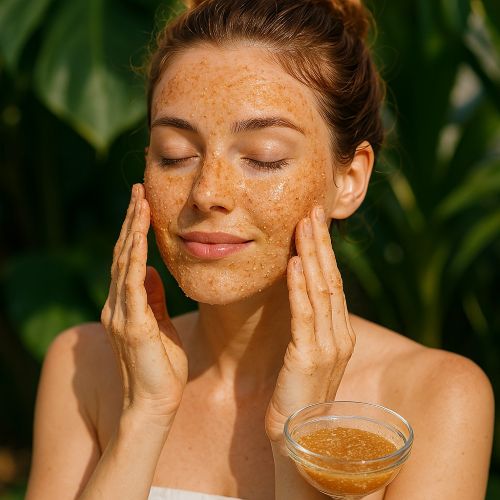
Achieving smooth, radiant skin during the summer months doesn't require harsh chemicals or expensive salon treatments. By understanding the gentle power of natural ingredients and adhering to safe practices, you can create effective facial peels at home that renew your complexion without compromising its delicate barrier. These DIY recipes offer a personalized, cost-effective, and deeply nourishing approach to summer skincare, allowing you to confidently embrace a healthy, luminous glow all season long. Remember, consistency and diligent sun protection are your best friends on this journey to beautiful skin.


Cosmetic ingredients and professional formulation blog
This section features expert materials on modern cosmetic actives. We cover peptides, polynucleotides PDRN, different forms of hyaluronic acid, retinoids, ceramides and other key components.
Special focus is given to active stability, ingredient compatibility and correct incorporation into formulas. You will find practical guides on working with anti-age actives, moisturizing complexes and barrier repair ingredients.
We examine how to properly combine myorelaxants with peptides, common mistakes when using unstable vitamin C forms and ways to improve the performance of moisturizing actives.
Separate materials are dedicated to base oils, extracts, emulsifiers and supporting ingredients. This helps create stable and effective formulas for both professional and home cosmetics.
The blog regularly publishes reviews of trending actives, comparisons of similar ingredients and step-by-step formulation recommendations. The content is aimed at formulators, technologists and anyone seriously involved in creating cosmetic products.
Why this blog is useful
Here you will find practical data on eye area care actives, lifting systems and ingredients that improve skin firmness and tone. We rely on real formulation experience and address the actual challenges that arise during product development.
You can also explore materials on skin protection and repair, depigmentation and anti-inflammatory actives. This approach supports a more systematic selection of ingredients.
FAQ
What topics are covered most often
The blog focuses on peptides, PDRN, hyaluronic acid of different molecular weights, retinoids, ceramides and their compatibility rules.
Are there practical recommendations on how to incorporate actives
Yes, most articles include practical notes on pH stability, incorporation temperature and common formulation mistakes.
Is the content only for professionals
The materials are useful both for formulators and technologists and for those who create cosmetics for personal use and want to understand how modern ingredients work.
Where can I go directly to the ingredients
All key actives are collected in the Actives section, while base components are available in base oils and related categories.



