-
 DIY: Video master classes
-
 Aromatherapy
-
 Felting master classes
-
 Eating at home
-
 DIY cosmetics for children
-
 Cooking recipes
-
 Detergents, cleaning products with your own hands
-
 Soap making as a business
-
 Natural cosmetics. Raw materials for cosmetics and soap.
-
 Natural oils in cosmetics
-
 News
-
 Recipes for balms and conditioners
-
 Bath Bomb Recipes
-
 Cream recipes. Cream making.
-
 Lotion recipes. Gel recipes.
-
 Mask recipes
-
 Soap recipes. Base soap. Soap from scratch.
-
 Recipes for all occasions
-
 Natural shampoo recipes
-
 Healthy Nutrition Recipes
-
 Scrub recipes. Massage tiles. Ubtan
-
 DIY candles
-
 Reference materials, questions, tips
-
 Startup - soap production
-
 Hair care. Tips, recipes
-
 Facial skin care. Cleansers.
-
 Body care. Tips, recipes
-
 Photo Reviews
-
 Chocolate Handmade


Cream with magnesium and neuropeptides
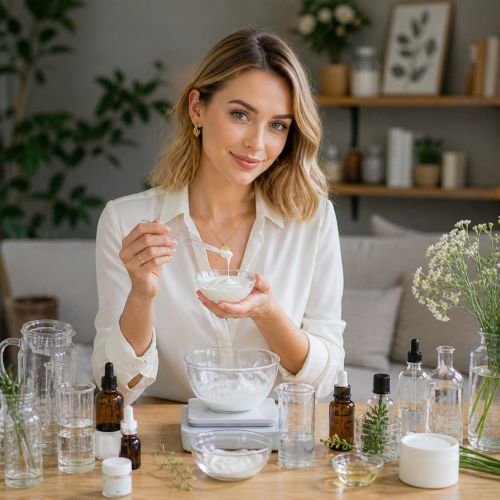 The modern beauty industry is shifting toward neurocosmetics which focuses on the connection between the skin and the nervous system. A cream combining magnesium and neuropeptides represents a breakthrough in this field. Magnesium is a vital mineral that facilitates over three hundred enzymatic reactions and acts as a natural muscle relaxant when applied transdermally. Neuropeptides are high-tech messengers that mimic the effects of botulinum toxin by intercepting signals from nerves to facial muscles. Together they create a powerful synergy that targets the root cause of expression lines: muscle tension.
This professional guide explores the biological impact of these components and provides three detailed formulations for creating effective anti-stress skincare at home.
Beneficial Properties of Transdermal Magnesium and Neuropeptides
Magnesium is essential for skin health because it helps stabilize DNA and RNA while regulating cellular turnover. When applied topically it helps reduce cortisol levels in the skin preventing the collagen degradation caused by chronic stress. It also improves the skin barrier function by stimulating the production of ceramides. For the periorbital and forehead areas magnesium helps to physically relax the tiny muscle fibers that contribute to a tired or angry appearance.
Neuropeptides such as Acetyl Hexapeptide 8 or Pentapeptide 18 work by preventing the release of neurotransmitters that cause muscle contraction. Unlike invasive procedures neuropeptides offer a gradual softening of expression lines without freezing the face. They help the skin maintain its elasticity and smoothness. In combination with magnesium the neuropeptides become more effective as the mineral prepares the tissue by reducing overall tension and improving microcirculation.
Advantages of Handcrafted Neurocosmetics Over Industrial Analogs
The main challenge with industrial magnesium creams is the texture and mineral concentration. Mass-market products often use magnesium sulfate which can feel sticky or leave a white residue. Furthermore industrial brands often include neuropeptides at minimal percentages for marketing purposes. By formulating your own cream you can use high-quality magnesium chloride from ancient seabed sources and incorporate neuropeptides at clinical dosage levels for real results.
Custom formulations also avoid common industrial irritants like synthetic fragrances and parabens which can trigger sensitivity in a stressed skin barrier. You have the freedom to select high-grade base oils such as Squalane or Shea butter that support the absorption of the active minerals. Handcrafted neurocosmetics are fresher and free from the aggressive stabilizers required for a three-year shelf life in retail stores.
Technical Nuances of Formulating with Magnesium Salts and Peptides
Working with magnesium chloride in an emulsion is technically demanding because salts are notorious for breaking emulsions. Magnesium ions interfere with many traditional emulsifiers causing the cream to separate into water and oil. To prevent this it is necessary to use salt-stable emulsifiers or to create a very stable lamellar structure. It is often helpful to pre-dissolve the magnesium in a small amount of water to create a concentrated brine before adding it to the cool-down phase.
Neuropeptides are highly sensitive to heat and pH levels. They must always be added during the cool-down phase once the temperature is low enough to prevent the peptide chains from denaturing. The ideal pH for a magnesium and peptide cream is between five point zero and six point zero. If the pH is too high or too low the peptides may lose their ability to signal the skin cells effectively and the magnesium might cause skin irritation.
Recipe One Nighttime Anti Stress Recovery Cream
This rich formula is designed to deeply relax the facial muscles and restore the skin barrier while you sleep.
Composition Forty milliliters distilled water Ten milliliters magnesium oil or brine Ten milliliters Argan oil Five grams salt stable emulsifying wax Three milliliters Argireline peptide solution Two milliliters Vitamin E Eco preservative
Preparation Step one Sanitize all equipment and containers with seventy percent alcohol and allow to dry. Step two Combine the distilled water and emulsifying wax in one heat-resistant beaker. Step three Place the Argan oil in a separate beaker and heat both in a water bath until the wax is fully melted. Step four Pour the oil into the water phase and blend with a mini mixer for three minutes until a thick emulsion forms. Step five Continue to stir the cream manually while it cools to room temperature. Step six Slowly whisk in the magnesium oil ensuring it is fully incorporated into the cream base. Step seven Add the Argireline peptide Vitamin E and the preservative then transfer to a dark glass jar.
Recipe Two Daily Smoothing Fluid with Magnesium and Syn Ake
A lightweight fluid that provides a soft focus effect and reduces muscle tension throughout the day.
Composition Fifty milliliters Rose hydrosol Five milliliters Squalane Three grams lightweight fluid emulsifier Five milliliters magnesium chloride solution Three milliliters Syn Ake peptide One gram low molecular weight hyaluronic acid Preservative
Preparation Step one Prepare a sterile workspace and ensure all measuring tools are clean. Step two Mix the hyaluronic acid with the Rose hydrosol and let it sit for thirty minutes to form a thin gel. Step three In a separate beaker combine the Squalane and the fluid emulsifier. Step four Slowly add the hyaluronic gel to the oil phase while mixing at a medium speed until a milky fluid is created. Step five Ensure the fluid is at room temperature before adding the active mineral components. Step six Incorporate the magnesium solution and the Syn Ake peptide by stirring slowly with a glass rod. Step seven Add the preservative check the pH and package in an airless pump bottle to prevent oxidation.
Recipe Three Intensive Mask for Expression Line Correction
A high-potency treatment mask to be used twice a week for maximum muscle relaxation.
Composition Thirty milliliters Aloe Vera juice Ten milliliters magnesium oil Five milliliters Rosehip oil Five grams lecithin based emulsifier Four milliliters Leuphasyl peptide Two milliliters D panthenol Preservative
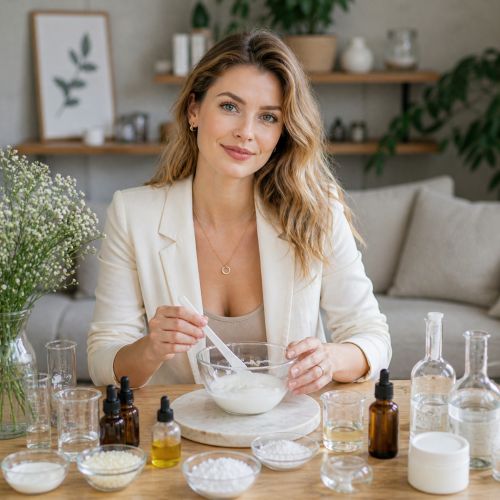
Preparation Step one Disinfect all beakers and glass rods before beginning the formulation. Step two Blend the Aloe Vera juice with the lecithin until the mixture is uniform and slightly thickened. Step three Gradually whisk in the Rosehip oil to create a rich creamy texture. Step four Add the D panthenol to provide extra soothing properties to the base. Step five Very slowly introduce the magnesium oil while stirring constantly to avoid breaking the emulsion. Step six Fold in the Leuphasyl peptide which specifically targets the depth of wrinkles caused by muscle contractions. Step seven Add the preservative and store in a cool place to maintain the activity of the peptides.
Detailed Recommendations for Use and Application
For the best results with magnesium and neuropeptide products apply them to clean skin that has been slightly warmed with a damp cloth. This opens the pores and improves the transdermal delivery of the magnesium ions. Focus the application on areas of high tension such as the forehead between the eyebrows and the outer corners of the eyes.
Use light pressing motions rather than heavy rubbing to help the product absorb. Since neuropeptides take time to accumulate in the tissue and produce a visible effect consistency is key. You should apply these formulations twice daily for at least twenty-eight days to see a significant reduction in expression lines. If you feel a slight tingling sensation it is normal and usually indicates the magnesium is being absorbed into the skin.
Storage Guidelines and Product Stability
Because these creams contain high mineral content and delicate peptides storage is critical for maintaining efficacy. Keep your products in a cool dark place away from direct sunlight and humidity. A skincare refrigerator is an excellent option for neurocosmetics as the cold temperature can also help soothe inflammation upon application.
The shelf life of these handcrafted creams is typically three to four months when a professional preservative is used. Always use a clean spatula to remove cream from a jar to prevent bacterial contamination. If the emulsion begins to separate slightly you can stir it with a clean glass rod but if the smell or color changes significantly discard the product. Using airless pump dispensers for the fluids and serums will greatly extend the stability of the peptides by minimizing air exposure.


Cosmetic ingredients and professional formulation blog
This section features expert materials on modern cosmetic actives. We cover peptides, polynucleotides PDRN, different forms of hyaluronic acid, retinoids, ceramides and other key components.
Special focus is given to active stability, ingredient compatibility and correct incorporation into formulas. You will find practical guides on working with anti-age actives, moisturizing complexes and barrier repair ingredients.
We examine how to properly combine myorelaxants with peptides, common mistakes when using unstable vitamin C forms and ways to improve the performance of moisturizing actives.
Separate materials are dedicated to base oils, extracts, emulsifiers and supporting ingredients. This helps create stable and effective formulas for both professional and home cosmetics.
The blog regularly publishes reviews of trending actives, comparisons of similar ingredients and step-by-step formulation recommendations. The content is aimed at formulators, technologists and anyone seriously involved in creating cosmetic products.
Why this blog is useful
Here you will find practical data on eye area care actives, lifting systems and ingredients that improve skin firmness and tone. We rely on real formulation experience and address the actual challenges that arise during product development.
You can also explore materials on skin protection and repair, depigmentation and anti-inflammatory actives. This approach supports a more systematic selection of ingredients.
FAQ
What topics are covered most often
The blog focuses on peptides, PDRN, hyaluronic acid of different molecular weights, retinoids, ceramides and their compatibility rules.
Are there practical recommendations on how to incorporate actives
Yes, most articles include practical notes on pH stability, incorporation temperature and common formulation mistakes.
Is the content only for professionals
The materials are useful both for formulators and technologists and for those who create cosmetics for personal use and want to understand how modern ingredients work.
Where can I go directly to the ingredients
All key actives are collected in the Actives section, while base components are available in base oils and related categories.