-
 DIY: Video master classes
-
 Aromatherapy
-
 Felting master classes
-
 Eating at home
-
 DIY cosmetics for children
-
 Cooking recipes
-
 Detergents, cleaning products with your own hands
-
 Soap making as a business
-
 Natural cosmetics. Raw materials for cosmetics and soap.
-
 Natural oils in cosmetics
-
 News
-
 Recipes for balms and conditioners
-
 Bath Bomb Recipes
-
 Cream recipes. Cream making.
-
 Lotion recipes. Gel recipes.
-
 Mask recipes
-
 Soap recipes. Base soap. Soap from scratch.
-
 Recipes for all occasions
-
 Natural shampoo recipes
-
 Healthy Nutrition Recipes
-
 Scrub recipes. Massage tiles. Ubtan
-
 DIY candles
-
 Reference materials, questions, tips
-
 Startup - soap production
-
 Hair care. Tips, recipes
-
 Facial skin care. Cleansers.
-
 Body care. Tips, recipes
-
 Photo Reviews
-
 Chocolate Handmade


Cream with liposomal vitamin C and ferulic acid
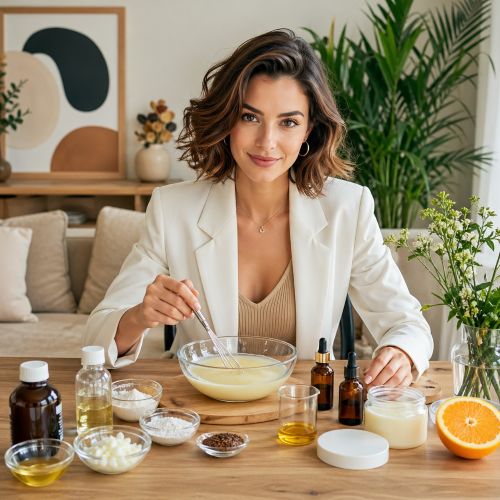 The evolution of cosmetic chemistry has brought us to an era where the stability of active ingredients is just as important as their potency. Among the most celebrated combinations in modern dermatology is the pairing of Vitamin C and Ferulic Acid. While standard Vitamin C is notoriously unstable and prone to oxidation the introduction of liposomal delivery systems has revolutionized its efficacy. A cream featuring liposomal Vitamin C and Ferulic Acid offers a sophisticated approach to skin brightening collagen synthesis and photoprotection.
This professional article explores the molecular synergy of these ingredients providing technical insights and three precise formulations for crafting high performance antioxidant creams at home.
Beneficial Properties of Liposomal Vitamin C and Ferulic Acid
Liposomal Vitamin C consists of ascorbic acid encapsulated within phospholipid spheres. These liposomes mimic the structure of cell membranes allowing the Vitamin C to bypass the skin barrier more efficiently and release deep within the epidermal layers. This ensures maximum bioavailability without the irritation often associated with high acidity serums. Once absorbed it works to neutralize free radicals inhibit melanin production and provide the essential cofactors for collagen production.
Ferulic Acid is a plant based antioxidant found in the cell walls of grains and fruits. Its primary role in this formulation is that of a stabilizer and enhancer. Research indicates that Ferulic Acid doubles the photoprotective capacity of Vitamins C and E. By neutralizing superoxide and hydroxyl radicals it prevents the degradation of the liposomal structure ensuring that the Vitamin C remains active until it reaches its cellular target. Together they form a formidable shield against environmental aggression and premature aging.
Advantages of Handcrafted Antioxidant Creams Over Industrial Products
Industrial Vitamin C creams often struggle with the paradox of shelf life versus activity. To prevent the product from turning orange on the shelf many manufacturers use extremely low concentrations of actives or use stable but less effective derivatives like magnesium ascorbyl phosphate. When you formulate your own cream you can use fresh liposomal dispersions at high therapeutic percentages ensuring that your skin receives the full biological benefit of the ingredient.
Handcrafted creams also allow for a clean label approach. Many commercial versions are loaded with synthetic fragrances silicones and cheap mineral oils that can clog pores or trigger sensitivity. By choosing your own botanical base oils such as Rosehip or Sea Buckthorn you add extra layers of natural vitamins and essential fatty acids that work in harmony with the antioxidants. You control the pH and the preservative system ensuring the final product is both safe and biocompatible.
Technical Nuances of Preparation with Liposomes and Acids
Working with liposomal ingredients requires a delicate touch. The phospholipid bilayers that form the liposome are sensitive to physical and thermal stress. If you heat liposomes or subject them to high shear mixing for an extended period the spheres may rupture causing the Vitamin C to leak out and oxidize prematurely. Therefore liposomal actives must always be incorporated during the cool down phase at room temperature using gentle manual stirring.
The handling of Ferulic Acid also requires specific knowledge. It is a crystalline powder that does not dissolve easily in water. To prevent a gritty texture in your cream Ferulic Acid should be pre-dissolved in a solvent like propanediol or high proof grain alcohol before being added to the emulsion. Furthermore the final pH of the cream should be maintained between five point five and six point zero to ensure the stability of the Ferulic Acid and the health of the skin acid mantle.
Recipe One Daily Radiance Protection Cream
A lightweight day cream designed to brighten the complexion and protect against daily oxidative stress.
Composition Fifty milliliters Rosemary hydrosol Ten milliliters Jojoba oil Five grams olive derived emulsifier Five milliliters liposomal Vitamin C Zero point five grams Ferulic Acid Three milliliters propanediol Eco certified preservative
Preparation Step one Sanitize all glass beakers stirring rods and storage containers with seventy percent alcohol. Step two In a small glass container mix the Ferulic Acid powder with propanediol and stir until the liquid is completely clear. Step three Heat the Rosemary hydrosol and the Jojoba oil with the emulsifier in separate beakers in a water bath until the wax is melted. Step four Combine the oil and water phases and whisk with a mini mixer until a smooth white emulsion is formed. Step five Allow the emulsion to cool completely to room temperature. Step six Gently fold in the pre-dissolved Ferulic Acid and the liposomal Vitamin C using a glass rod or spatula. Step seven Add the eco certified preservative check the pH level and transfer to an airless pump bottle.
Recipe Two Intensive Night Repair and Tone Correction Cream
A rich nourishing formula that works during the skin nocturnal repair cycle to fade pigmentation and boost firmness.
Composition Forty milliliters distilled water Fifteen milliliters Rosehip seed oil Six grams lecithin based emulsifier Seven milliliters liposomal Vitamin C One gram Ferulic Acid Two milliliters Vitamin E oil Preservative
Preparation Step one Prepare a sterile workspace and ensure all measuring tools are precise. Step two Dissolve the Ferulic Acid in a small amount of room temperature distilled water or propanediol. Step three Heat the Rosehip oil and the lecithin emulsifier until uniform then add the remaining distilled water to create the cream base. Step four Blend the phases together until the texture is thick and creamy then begin the cooling process. Step five Once the base is cool to the touch add the Vitamin E oil which acts as a secondary antioxidant. Step six Incorporate the liposomal Vitamin C and the dissolved Ferulic Acid stirring slowly to keep the liposomes intact. Step seven Add the preservative and store the finished cream in a dark glass jar to prevent light degradation.
Recipe Three Antioxidant Fluid Serum for Targeted Pigmentation
A high potency fluid designed for spot treatment or as an intense booster for dull skin.
Composition Sixty milliliters Rose hydrosol Five milliliters Rice Bran oil Three grams lightweight fluid emulsifier Ten milliliters liposomal Vitamin C Zero point seven grams Ferulic Acid One gram low molecular weight hyaluronic acid Preservative
Preparation Step one Disinfect all equipment and containers thoroughly. Step two Hydrate the hyaluronic acid in the Rose hydrosol for one hour until a lightweight gel is formed. Step three Dissolve the Ferulic Acid in the Rice Bran oil or a small amount of propanediol. Step four Use a mini mixer to combine the oil phase with the hyaluronic gel base until a milky fluid is achieved. Step five Verify that the temperature of the fluid is below thirty degrees Celsius. Step six Add the liposomal Vitamin C and the preservative slowly whisking by hand for two minutes to ensure homogeneity. Step seven Package the serum in an amber glass bottle with a vacuum dispenser to minimize air contact.
Professional Recommendations for Application and Layering
For maximum efficacy apply your liposomal Vitamin C cream to clean exfoliated skin. In the morning this cream should be the final step before applying sunscreen. The antioxidants will work in tandem with your SPF to neutralize any UV rays that bypass the physical filters. For night use the cream can be layered over a simple hydrating toner or a peptide serum.
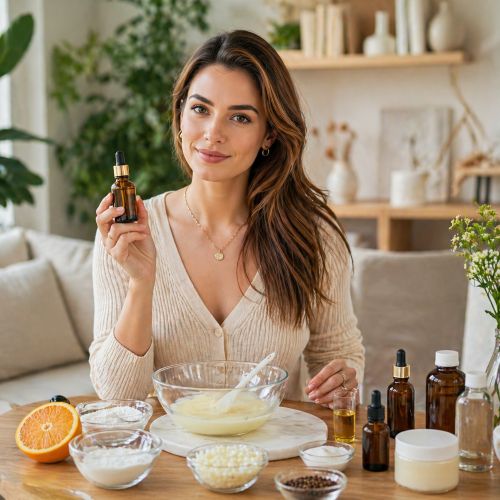
Consistency is vital when treating hyperpigmentation or loss of elasticity. Clinical results with Vitamin C and Ferulic Acid typically become visible after four to six weeks of daily use which corresponds with the natural skin cell turnover cycle. If you have sensitive skin begin application every other day to allow the skin to adjust to the high concentration of antioxidants.
Guidelines for Storage and Product Stability
Because Vitamin C is light sensitive and Ferulic Acid is prone to degradation if exposed to air the packaging of your cream is critical. Airless pump bottles are the gold standard as they prevent oxygen from entering the container. If using a jar always use a clean spatula to prevent bacterial contamination.
The best place to store your antioxidant cream is a cool dark cupboard or a dedicated skincare refrigerator. Avoid keeping the product in the bathroom where heat and humidity fluctuate wildly. The typical shelf life for these handcrafted formulations is three months. If you notice the cream turning a dark yellow or brown color this is a sign that the Vitamin C has oxidized and the product should be discarded to avoid potential skin irritation. Keeping the product at a stable low temperature will help maintain the integrity of the liposomes and the potency of the antioxidants.


Cosmetic ingredients and professional formulation blog
This section features expert materials on modern cosmetic actives. We cover peptides, polynucleotides PDRN, different forms of hyaluronic acid, retinoids, ceramides and other key components.
Special focus is given to active stability, ingredient compatibility and correct incorporation into formulas. You will find practical guides on working with anti-age actives, moisturizing complexes and barrier repair ingredients.
We examine how to properly combine myorelaxants with peptides, common mistakes when using unstable vitamin C forms and ways to improve the performance of moisturizing actives.
Separate materials are dedicated to base oils, extracts, emulsifiers and supporting ingredients. This helps create stable and effective formulas for both professional and home cosmetics.
The blog regularly publishes reviews of trending actives, comparisons of similar ingredients and step-by-step formulation recommendations. The content is aimed at formulators, technologists and anyone seriously involved in creating cosmetic products.
Why this blog is useful
Here you will find practical data on eye area care actives, lifting systems and ingredients that improve skin firmness and tone. We rely on real formulation experience and address the actual challenges that arise during product development.
You can also explore materials on skin protection and repair, depigmentation and anti-inflammatory actives. This approach supports a more systematic selection of ingredients.
FAQ
What topics are covered most often
The blog focuses on peptides, PDRN, hyaluronic acid of different molecular weights, retinoids, ceramides and their compatibility rules.
Are there practical recommendations on how to incorporate actives
Yes, most articles include practical notes on pH stability, incorporation temperature and common formulation mistakes.
Is the content only for professionals
The materials are useful both for formulators and technologists and for those who create cosmetics for personal use and want to understand how modern ingredients work.
Where can I go directly to the ingredients
All key actives are collected in the Actives section, while base components are available in base oils and related categories.



