-
 DIY: Video master classes
-
 Aromatherapy
-
 Felting master classes
-
 Eating at home
-
 DIY cosmetics for children
-
 Cooking recipes
-
 Detergents, cleaning products with your own hands
-
 Soap making as a business
-
 Natural cosmetics. Raw materials for cosmetics and soap.
-
 Natural oils in cosmetics
-
 News
-
 Recipes for balms and conditioners
-
 Bath Bomb Recipes
-
 Cream recipes. Cream making.
-
 Lotion recipes. Gel recipes.
-
 Mask recipes
-
 Soap recipes. Base soap. Soap from scratch.
-
 Recipes for all occasions
-
 Natural shampoo recipes
-
 Healthy Nutrition Recipes
-
 Scrub recipes. Massage tiles. Ubtan
-
 DIY candles
-
 Reference materials, questions, tips
-
 Startup - soap production
-
 Hair care. Tips, recipes
-
 Facial skin care. Cleansers.
-
 Body care. Tips, recipes
-
 Photo Reviews
-
 Chocolate Handmade


Love Sense Shower Cream Gel - gentle care and a scent that remains
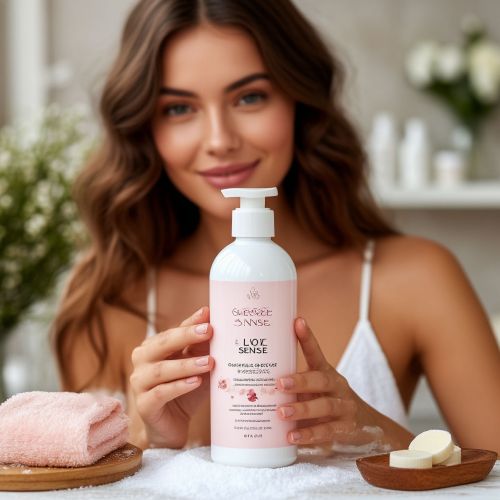
The simple act of showering can be transformed into a luxurious and sensory experience with the right body wash. While commercially available shower gels offer convenience, crafting your own "Love Sense" shower cream gel allows for personalized gentle care and a unique, long-lasting fragrance tailored to your preferences. This article will guide you through the benefits of homemade shower cream gel and provide three detailed recipes to create your own indulgent bathing experience.
Why Choose Homemade Shower Cream Gel?
Opting for a homemade shower cream gel offers several advantages over industrial counterparts:
- Control Over Ingredients: You have complete control over what goes onto your skin, avoiding harsh sulfates, parabens, and artificial fragrances that can cause irritation or allergic reactions.
- Personalized Fragrance: You can choose essential oils or natural extracts to create a scent that truly resonates with you and lingers on your skin.
- Gentle and Nourishing: Homemade recipes often incorporate moisturizing oils and butters that leave your skin feeling soft, smooth, and hydrated, unlike some commercial gels that can strip the skin of its natural oils.
- Cost-Effective and Sustainable: Making your own shower gel can be more economical in the long run, and it reduces plastic waste from store-bought bottles.
- Therapeutic Benefits of Essential Oils: Essential oils not only provide fragrance but also offer various therapeutic benefits for the skin and mind, such as relaxation, invigoration, or skin healing.
Key Ingredients for a Luxurious Shower Cream Gel
Understanding the role of different ingredients will help you customize your recipes:
- Gentle Surfactants (Liquid Castile Soap, Cocamidopropyl Betaine): These provide the cleansing action without being overly stripping. Liquid Castile soap is a popular natural option.
- Moisturizing Oils (Jojoba Oil, Sweet Almond Oil, Olive Oil): These oils help to hydrate and nourish the skin, preventing dryness.
- Emulsifiers (Polysorbate 20): Help to blend oil and water-based ingredients, ensuring a stable and consistent product.
- Thickeners (Guar Gum, Vegetable Glycerin): Provide the desired gel-like consistency. Glycerin also acts as a humectant, attracting moisture to the skin.
- Essential Oils or Natural Extracts: For fragrance and potential therapeutic benefits. Choose oils that are safe for topical use.
- Preservatives (Optional but Recommended for Larger Batches): Natural preservatives like Grapefruit Seed Extract or a broad-spectrum preservative can extend the shelf life of your homemade gel, especially if it contains water.
Homemade Love Sense Shower Cream Gel Recipes
Here are three detailed recipes to get you started on your journey to creating your perfect shower cream gel.
Recipe 1: Relaxing Lavender Vanilla Shower Cream Gel
This recipe combines the calming scent of lavender with the warm sweetness of vanilla for a truly relaxing shower experience.
Ingredients:
- 1 cup Liquid Castile Soap (unscented)
- 2 tablespoons Jojoba Oil
- 1 tablespoon Vegetable Glycerin
- 15 drops Lavender Essential Oil
- 10 drops Vanilla Essential Oil (or Vanilla Oleoresin)
- 1/2 teaspoon Polysorbate 20 (optional, for better blending of oils)
Instructions:
- In a clean bowl, gently combine the liquid Castile soap and Jojoba oil. Stir slowly to avoid creating excessive bubbles.
- Add the vegetable glycerin and stir until well combined. Glycerin will help with hydration and a slightly thicker consistency.
- In a separate small container, mix the lavender and vanilla essential oils with the Polysorbate 20 (if using). This step helps the essential oils disperse more evenly in the water-based soap.
- Slowly add the essential oil mixture to the soap base, stirring gently until everything is well incorporated.
- Carefully pour the mixture into a clean, airtight bottle or container.
Useful Properties:
- Lavender Essential Oil: Known for its calming, relaxing, and antiseptic properties. It can help soothe irritated skin and promote relaxation before sleep.
- Vanilla Essential Oil (or Oleoresin): Provides a warm, comforting, and sweet aroma. It also has antioxidant properties that can benefit the skin.
- Jojoba Oil: Closely resembles the skin's natural sebum, making it easily absorbed and non-comedogenic. It helps to moisturize and balance the skin's oil production.
- Vegetable Glycerin: A humectant that attracts and retains moisture in the skin, preventing dryness.
Advantages Over Industrial Analogues:
This homemade version avoids synthetic fragrances and harsh sulfates often found in commercial shower gels. It provides gentle cleansing with nourishing oils and the therapeutic benefits of pure essential oils.
Recommendations for Use and Storage:
Use as you would any regular shower gel. Apply a small amount to a wet loofah or hands, lather, and rinse thoroughly. Store in a cool, dark place away from direct sunlight. This recipe does not contain a strong preservative, so it's best used within 2-3 months.
Recipe 2: Invigorating Citrus Burst Shower Cream Gel
This recipe offers an energizing and refreshing shower experience with the uplifting scents of orange and grapefruit.
Ingredients:
- 1 cup Unscented Natural Shampoo Base (a milder alternative to Castile soap)
- 2 tablespoons Sweet Almond Oil
- 1 tablespoon Guar Gum powder
- 15 drops Sweet Orange Essential Oil
- 10 drops Grapefruit Essential Oil
- 1 teaspoon Natural Preservative (e.g., Grapefruit Seed Extract)
Instructions:
- In a clean bowl, whisk the Guar Gum powder into the sweet almond oil until well dispersed and there are no clumps. This step helps the guar gum thicken the gel smoothly.
- Gently stir the natural shampoo base into the oil and guar gum mixture.
- Add the sweet orange and grapefruit essential oils and stir thoroughly.
- Finally, add the natural preservative and mix well to ensure even distribution.
- Allow the mixture to sit for about 15-20 minutes to allow the guar gum to fully hydrate and thicken the gel. Stir again if needed.
- Pour the finished shower cream gel into a clean, airtight bottle or container.
Useful Properties:
- Sweet Orange Essential Oil: Uplifting, energizing, and has antiseptic properties. It can help improve mood and cleanse the skin.
- Grapefruit Essential Oil: Refreshing, detoxifying, and can help improve circulation. Its bright scent is invigorating.
- Sweet Almond Oil: A light and easily absorbed oil that moisturizes and softens the skin. It is rich in vitamin E.
- Guar Gum: A natural thickener that provides a smooth, gel-like consistency.
Advantages Over Industrial Analogues:
This homemade version avoids synthetic fragrances and harsh chemicals while providing a refreshing and invigorating cleansing experience with natural essential oils and moisturizing almond oil.
Recommendations for Use and Storage:
Use as you would any regular shower gel. Apply to wet skin, lather, and rinse thoroughly. The addition of a natural preservative helps extend the shelf life; store in a cool, dark place for up to 3-4 months.
Recipe 3: Soothing Oatmeal Honey Shower Cream Gel
This gentle and nourishing recipe is perfect for sensitive and dry skin, providing a soothing and moisturizing cleanse.
Ingredients:
- 1 cup Unscented Liquid Body Wash Base (a very mild surfactant base)
- 2 tablespoons Colloidal Oatmeal
- 1 tablespoon Raw Honey (liquid)
- 1 tablespoon Olive Oil
- 5 drops Chamomile Essential Oil (optional, for extra soothing)
- 1/4 teaspoon Vitamin E Oil (as a mild antioxidant)
Instructions:
- In a clean bowl, gently stir the colloidal oatmeal into the liquid body wash base until evenly dispersed. Allow it to sit for a few minutes to soften.
- Add the raw honey and olive oil to the mixture and stir well until fully incorporated.
- If using, add the chamomile essential oil and vitamin E oil, mixing gently.
- Carefully pour the mixture into a clean, airtight bottle or container. You may notice some settling of the oatmeal over time, so gently shake before each use.
Useful Properties:
- Colloidal Oatmeal: Known for its soothing, anti-inflammatory, and moisturizing properties. It can help relieve itchy and irritated skin.
- Raw Honey: A natural humectant and emollient that helps to hydrate and soften the skin. It also has antibacterial properties.
- Olive Oil: Rich in antioxidants and fatty acids that nourish and moisturize the skin.
- Chamomile Essential Oil: Has calming and anti-inflammatory properties, making it beneficial for sensitive skin.
- Vitamin E Oil: An antioxidant that helps to protect the skin from damage and provides additional moisture.
Advantages Over Industrial Analogues:
This homemade version is exceptionally gentle and avoids harsh cleansers and synthetic additives that can irritate sensitive skin. It provides soothing and moisturizing benefits from natural ingredients like colloidal oatmeal and honey.
Recommendations for Use and Storage:
Use as you would any regular shower gel. Apply to wet skin, lather gently, and rinse thoroughly. Due to the natural ingredients and lack of strong preservatives, it's best to use this shower cream gel within 1-2 weeks and store it in a cool place or even the refrigerator for extended freshness.
Conclusion: Embrace the Art of Homemade Body Care
Creating your own Love Sense shower cream gel is a rewarding experience that allows you to tailor your body care to your specific needs and preferences. By choosing natural ingredients and your favorite scents, you can transform your daily shower into a moment of self-care and sensory delight. Experiment with these recipes and explore the wonderful world of homemade cosmetics for a healthier and more personalized approach to skincare.


Cosmetic ingredients and professional formulation blog
This section features expert materials on modern cosmetic actives. We cover peptides, polynucleotides PDRN, different forms of hyaluronic acid, retinoids, ceramides and other key components.
Special focus is given to active stability, ingredient compatibility and correct incorporation into formulas. You will find practical guides on working with anti-age actives, moisturizing complexes and barrier repair ingredients.
We examine how to properly combine myorelaxants with peptides, common mistakes when using unstable vitamin C forms and ways to improve the performance of moisturizing actives.
Separate materials are dedicated to base oils, extracts, emulsifiers and supporting ingredients. This helps create stable and effective formulas for both professional and home cosmetics.
The blog regularly publishes reviews of trending actives, comparisons of similar ingredients and step-by-step formulation recommendations. The content is aimed at formulators, technologists and anyone seriously involved in creating cosmetic products.
Why this blog is useful
Here you will find practical data on eye area care actives, lifting systems and ingredients that improve skin firmness and tone. We rely on real formulation experience and address the actual challenges that arise during product development.
You can also explore materials on skin protection and repair, depigmentation and anti-inflammatory actives. This approach supports a more systematic selection of ingredients.
FAQ
What topics are covered most often
The blog focuses on peptides, PDRN, hyaluronic acid of different molecular weights, retinoids, ceramides and their compatibility rules.
Are there practical recommendations on how to incorporate actives
Yes, most articles include practical notes on pH stability, incorporation temperature and common formulation mistakes.
Is the content only for professionals
The materials are useful both for formulators and technologists and for those who create cosmetics for personal use and want to understand how modern ingredients work.
Where can I go directly to the ingredients
All key actives are collected in the Actives section, while base components are available in base oils and related categories.



