-
 DIY: Video master classes
-
 Aromatherapy
-
 Felting master classes
-
 Eating at home
-
 DIY cosmetics for children
-
 Cooking recipes
-
 Detergents, cleaning products with your own hands
-
 Soap making as a business
-
 Natural cosmetics. Raw materials for cosmetics and soap.
-
 Natural oils in cosmetics
-
 News
-
 Recipes for balms and conditioners
-
 Bath Bomb Recipes
-
 Cream recipes. Cream making.
-
 Lotion recipes. Gel recipes.
-
 Mask recipes
-
 Soap recipes. Base soap. Soap from scratch.
-
 Recipes for all occasions
-
 Natural shampoo recipes
-
 Healthy Nutrition Recipes
-
 Scrub recipes. Massage tiles. Ubtan
-
 DIY candles
-
 Reference materials, questions, tips
-
 Startup - soap production
-
 Hair care. Tips, recipes
-
 Facial skin care. Cleansers.
-
 Body care. Tips, recipes
-
 Photo Reviews
-
 Chocolate Handmade


Anti Redness Face Cream - care against redness and skin irritation
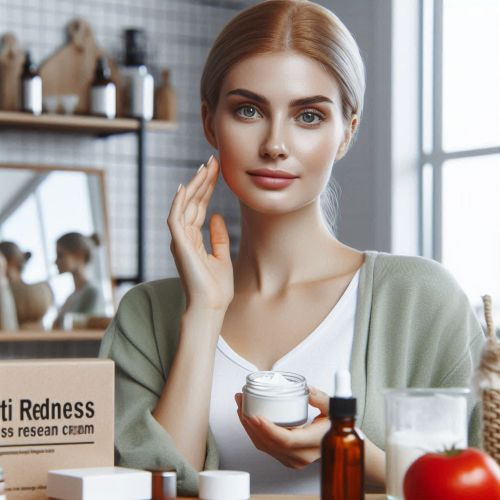
Facial redness and skin irritation are common concerns that can stem from various factors, including sensitive skin, environmental stressors, rosacea, allergies, and even harsh skincare products. These conditions can manifest as flushing, persistent redness, visible blood vessels, itching, burning, or a general feeling of discomfort. Addressing redness requires a gentle and targeted approach, focusing on calming inflammation, strengthening the skin barrier, and avoiding triggers.
The Role of Anti-Redness Face Creams
Anti-redness face creams are specifically formulated to alleviate these symptoms. They typically contain ingredients known for their soothing, anti-inflammatory, and barrier-repairing properties. While many effective industrial products are available, crafting your own allows for greater control over ingredients, ensuring a gentle and personalized solution for your sensitive skin.
Key Ingredients in Effective Anti-Redness Creams
Whether you're buying or making your own cream, look for these beneficial ingredients:
- Centella Asiatica (Cica): Known for its powerful wound-healing and anti-inflammatory properties, helping to calm redness and repair the skin barrier.
- Niacinamide (Vitamin B3): Reduces redness and blotchiness, improves skin barrier function, and minimizes the appearance of pores.
- Green Tea Extract: A potent antioxidant with anti-inflammatory effects, helping to protect the skin from environmental damage and reduce redness.
- Chamomile Extract: Soothes irritated skin and reduces inflammation with its calming properties.
- Allantoin: A skin protectant that soothes irritation, promotes cell regeneration, and softens the skin.
- Licorice Root Extract: Contains glycyrrhizin, which has anti-inflammatory and skin-brightening effects, helping to reduce redness and even out skin tone.
- Bisabolol: The main active component of chamomile essential oil, known for its soothing and anti-irritant properties.
- Hyaluronic Acid: Provides deep hydration without clogging pores, helping to soothe and plump irritated skin.
- Ceramides: Essential lipids that help to restore and maintain the skin's natural barrier, reducing sensitivity and preventing moisture loss.
Homemade Anti-Redness Face Cream Recipes
Creating your own anti-redness cream allows you to select the most beneficial ingredients for your specific needs and avoid potential irritants found in some commercial formulations.
Recipe 1: Soothing Centella Asiatica & Green Tea Cream
This light and calming cream harnesses the power of Cica and green tea to reduce redness and soothe irritated skin.
Ingredients:
- 2 tablespoons Aloe Vera gel (pure, without additives)
- 1 teaspoon Centella Asiatica (Cica) extract
- 1 teaspoon cooled Green Tea infusion (strong brew)
- ½ teaspoon Jojoba oil (non-comedogenic and easily absorbed)
- A few drops of Chamomile essential oil (optional, for added calming effect)
- Small airtight container
Instructions:
- In a clean bowl, gently combine the Aloe Vera gel, Cica extract, and cooled green tea infusion. Stir until well mixed.
- Add the Jojoba oil and chamomile essential oil (if using). Stir again until all ingredients are fully incorporated and the mixture appears homogenous.
- Carefully transfer the cream into a clean, airtight container.
Useful Properties:
- Centella Asiatica: Promotes skin healing, reduces inflammation, and strengthens blood vessels, which can help diminish redness associated with rosacea or sensitivity.
- Green Tea: Provides potent antioxidant protection against environmental aggressors that can exacerbate redness and irritation. Its anti-inflammatory properties further contribute to calming the skin.
- Aloe Vera: Offers immediate soothing relief to irritated skin, provides hydration, and aids in the skin's natural healing process.
- Jojoba Oil: A light, non-comedogenic oil that moisturizes without clogging pores and helps to balance sebum production, which can be beneficial for sensitive skin.
- Chamomile Essential Oil: Known for its calming and anti-inflammatory properties, providing additional relief for red and irritated skin.
Advantages Over Industrial Analogues:
- Free from synthetic fragrances, artificial colors, and potentially irritating preservatives often found in commercial creams.
- Allows for a high concentration of targeted natural extracts like Centella Asiatica and green tea.
- Freshly made, ensuring the potency of the active ingredients.
Recommendations for Use and Storage:
- Apply a small amount to clean, dry skin morning and night, focusing on areas prone to redness. Gently pat the cream into the skin.
- Store in a cool, dark place or in the refrigerator to extend its freshness. Due to the lack of strong preservatives, it's best to use this cream within 1-2 weeks.
- Perform a patch test on a small area of your skin before applying it to your entire face to ensure no adverse reactions occur.
Recipe 2: Barrier-Repairing Niacinamide & Ceramide Cream
This richer cream focuses on strengthening the skin barrier, reducing sensitivity, and calming redness with the help of niacinamide and ceramides.
Ingredients:
- 1 tablespoon Emulsifying Wax (to bind oil and water)
- 2 tablespoons Distilled Water
- 1 tablespoon Jojoba Oil or Rosehip Seed Oil (for added soothing benefits)
- ½ teaspoon Niacinamide powder
- ¼ teaspoon Ceramide complex (available online)
- A few drops of Lavender or Frankincense essential oil (optional, for calming and healing)
- Clean, heat-safe bowls and stirring utensils
- Small airtight container
Instructions:
- In a heat-safe bowl, combine the emulsifying wax and the chosen carrier oil (jojoba or rosehip).
- In a separate heat-safe bowl, gently heat the distilled water until it is warm.
- Place both bowls in a warm water bath (double boiler method) until the emulsifying wax is completely melted and the oil is clear.
- Remove both bowls from the heat. Slowly pour the warm water into the oil mixture while continuously stirring vigorously with a whisk or immersion blender. This process creates an emulsion.
- Continue stirring until the mixture cools down and thickens into a cream-like consistency.
- Once the cream has cooled slightly, gently stir in the niacinamide powder until it is fully dissolved.
- Add the ceramide complex and the optional essential oils. Stir well to combine.
- Transfer the finished cream into a clean, airtight container.
Useful Properties:
- Niacinamide: A multi-tasking ingredient that reduces redness and inflammation, strengthens the skin barrier, minimizes the appearance of pores, and improves overall skin tone.
- Ceramide Complex: Helps to replenish the skin's natural lipids, repairing a compromised barrier that can contribute to sensitivity and redness. This improves the skin's ability to retain moisture and protect itself from irritants.
- Jojoba Oil/Rosehip Seed Oil: Provide nourishing moisture without clogging pores. Rosehip seed oil also contains vitamin A, which can aid in skin regeneration and reduce redness over time.
- Lavender/Frankincense Essential Oil: Offer calming and anti-inflammatory benefits, promoting relaxation of the skin and reducing irritation.
- Emulsifying Wax: Allows the oil and water-based ingredients to combine effectively, creating a stable cream.
Advantages Over Industrial Analogues:
- Allows for a targeted concentration of niacinamide and ceramides, which are crucial for addressing redness and barrier function.
- Avoids potentially irritating synthetic emulsifiers and stabilizers that can sometimes trigger sensitive skin.
- Provides the flexibility to choose specific carrier oils known for their soothing properties.
Recommendations for Use and Storage:
- Apply a small amount to clean, dry skin morning and night. This cream is particularly beneficial for those with a compromised skin barrier and persistent redness.
- Store in a cool, dark place for up to 3 weeks. Keeping it in the refrigerator can further extend its shelf life.
- Ensure all equipment used during preparation is thoroughly cleaned and sanitized to prevent contamination.
Recipe 3: Calming Oatmeal & Licorice Root Balm
This soothing balm utilizes the anti-inflammatory properties of colloidal oatmeal and licorice root extract to calm redness and irritation. Note: This is a balm and will have a slightly different texture than a traditional cream.
Ingredients:
- 2 tablespoons Colloidal Oatmeal (finely ground oats)
- 1 tablespoon Plant-based Wax (e.g., Candelilla or Carnauba wax)
- 2 tablespoons Sweet Almond Oil or Calendula-infused Oil (known for its calming properties)
- ½ teaspoon Licorice Root Extract powder
- A few drops of Roman Chamomile essential oil (gentle and soothing)
- Small airtight container
Instructions:
- In a heat-safe bowl, gently melt the plant-based wax and carrier oil (sweet almond or calendula-infused) using a double boiler method or very low heat. Stir until the wax is completely melted.
- Remove the bowl from the heat and let it cool slightly for a minute or two.
- Stir in the colloidal oatmeal and licorice root extract powder until they are evenly dispersed throughout the warm oil mixture.
- Add the Roman chamomile essential oil (if using) and stir gently.
- Pour the mixture into a clean, airtight container and let it cool completely at room temperature until it solidifies into a balm consistency.
Useful Properties:
- Colloidal Oatmeal: Has significant anti-inflammatory and soothing properties, relieving itching and irritation associated with redness and sensitive skin conditions. It also forms a protective barrier on the skin.
- Licorice Root Extract: Contains glycyrrhizin, a potent anti-inflammatory compound that helps to reduce redness and can also have a brightening effect on the skin.
- Sweet Almond Oil/Calendula-infused Oil: Provide gentle nourishment and hydration. Calendula is particularly known for its skin-soothing and healing properties.
- Plant-based Wax: Provides structure to the balm and creates a protective layer on the skin, helping to lock in moisture and protect against external irritants.
- Roman Chamomile Essential Oil: A very gentle essential oil with calming and anti-inflammatory benefits, suitable for sensitive skin.
Advantages Over Industrial Analogues:
- Focuses on minimal, highly effective natural ingredients known for their calming and anti-inflammatory actions.
- Avoids water-based formulas that may require stronger preservatives, which can sometimes irritate sensitive skin.
- The balm format provides a protective barrier that can be particularly beneficial for very dry and irritated skin.
Recommendations for Use and Storage:
- Apply a small amount to clean, dry skin, focusing on areas of redness and irritation. The balm will melt slightly upon contact with the skin.
- Store in a cool, dark place away from direct sunlight. This balm should last for several months due to the natural preserving properties of the oils and waxes.
- Ensure your hands are clean before applying the balm to avoid introducing bacteria.
General Recommendations for Managing Redness and Irritation
- Identify and Avoid Triggers: Pay attention to what seems to worsen your redness, such as certain foods, skincare ingredients, or environmental factors.
- Patch Test New Products: Always test a new product on a small area of your skin before applying it to your entire face.
- Use Gentle Cleansers: Opt for mild, fragrance-free cleansers that won't strip your skin's natural oils.
- Avoid Harsh Exfoliants: Physical scrubs and strong chemical exfoliants can irritate sensitive skin.
- Protect Your Skin from the Sun: Sun exposure can exacerbate redness. Use a broad-spectrum sunscreen with an SPF of 30 or higher daily.
- Stay Hydrated: Drinking plenty of water helps to keep your skin healthy and hydrated.
- Consider Dietary Changes: Some people find that reducing inflammatory foods in their diet can help improve skin redness.
Conclusion: Nurturing Calm and Balanced Skin
Dealing with facial redness and skin irritation requires a gentle, consistent, and informed approach. By understanding the underlying causes and utilizing soothing ingredients, whether in commercially available products or your own homemade creations, you can effectively manage these concerns and achieve calmer, more balanced skin. Embrace the power of natural ingredients and listen to your skin's needs to create a skincare routine that truly works for you.


Cosmetic ingredients and professional formulation blog
This section features expert materials on modern cosmetic actives. We cover peptides, polynucleotides PDRN, different forms of hyaluronic acid, retinoids, ceramides and other key components.
Special focus is given to active stability, ingredient compatibility and correct incorporation into formulas. You will find practical guides on working with anti-age actives, moisturizing complexes and barrier repair ingredients.
We examine how to properly combine myorelaxants with peptides, common mistakes when using unstable vitamin C forms and ways to improve the performance of moisturizing actives.
Separate materials are dedicated to base oils, extracts, emulsifiers and supporting ingredients. This helps create stable and effective formulas for both professional and home cosmetics.
The blog regularly publishes reviews of trending actives, comparisons of similar ingredients and step-by-step formulation recommendations. The content is aimed at formulators, technologists and anyone seriously involved in creating cosmetic products.
Why this blog is useful
Here you will find practical data on eye area care actives, lifting systems and ingredients that improve skin firmness and tone. We rely on real formulation experience and address the actual challenges that arise during product development.
You can also explore materials on skin protection and repair, depigmentation and anti-inflammatory actives. This approach supports a more systematic selection of ingredients.
FAQ
What topics are covered most often
The blog focuses on peptides, PDRN, hyaluronic acid of different molecular weights, retinoids, ceramides and their compatibility rules.
Are there practical recommendations on how to incorporate actives
Yes, most articles include practical notes on pH stability, incorporation temperature and common formulation mistakes.
Is the content only for professionals
The materials are useful both for formulators and technologists and for those who create cosmetics for personal use and want to understand how modern ingredients work.
Where can I go directly to the ingredients
All key actives are collected in the Actives section, while base components are available in base oils and related categories.



