-
 DIY: Video master classes
-
 Aromatherapy
-
 Felting master classes
-
 Eating at home
-
 DIY cosmetics for children
-
 Cooking recipes
-
 Detergents, cleaning products with your own hands
-
 Soap making as a business
-
 Natural cosmetics. Raw materials for cosmetics and soap.
-
 Natural oils in cosmetics
-
 News
-
 Recipes for balms and conditioners
-
 Bath Bomb Recipes
-
 Cream recipes. Cream making.
-
 Lotion recipes. Gel recipes.
-
 Mask recipes
-
 Soap recipes. Base soap. Soap from scratch.
-
 Recipes for all occasions
-
 Natural shampoo recipes
-
 Healthy Nutrition Recipes
-
 Scrub recipes. Massage tiles. Ubtan
-
 DIY candles
-
 Reference materials, questions, tips
-
 Startup - soap production
-
 Hair care. Tips, recipes
-
 Facial skin care. Cleansers.
-
 Body care. Tips, recipes
-
 Photo Reviews
-
 Chocolate Handmade


Dyes and mother-of-pearl: a complete guide to types and applications
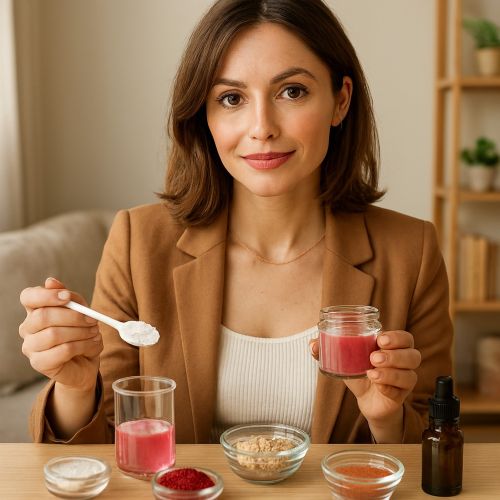 The aesthetic appeal of a cosmetic product is the first factor that captures a consumer attention. However working with color in cosmetics is not just a matter of beauty but a complex technological task. The choice of the right colorant determines whether your soap remains vibrant after a month whether colors will migrate between layers and whether the product remains safe for the skin. Using professional pigments and mother of pearls allows for the creation of products that look like expensive designer items surpassing mass market analogs in depth and purity of shades.
This guide will help you understand the vast diversity of cosmetic pigments teach you how to correctly introduce dry and liquid dyes into a base and reveal the secrets of creating complex color effects using micas. We will examine the properties of each component group in detail and provide three proven recipes for your creativity.
Classification of Cosmetic Colorants and Their Properties
To create a high quality product it is necessary to understand the difference between the main categories of coloring substances.
Water Soluble Dyes These substances provide very bright and pure colors while perfectly maintaining the transparency of the soap base. Their main feature is migration. Over time color from one layer moves to another blurring clear boundaries. They are best suited for solid color soaps bath salts or gels.
Pigments and Micas Cosmetic pigments are dry powders that do not dissolve but are evenly distributed in the mass. They do not migrate allowing for the creation of multi layered designs with sharp borders. Micas or mother of pearls are purified mica coated with metal oxides. They give the product a luxurious shimmer and shine.
Titanium Dioxide This is the primary white pigment that turns a transparent base into a matte white one. It is essential for creating pastel shades and enhancing the saturation of other colors.
Technological Nuances of Introducing Color into Cosmetics
Professional work with color requires adherence to certain rules to avoid lumps and uneven coloring.
Dispersing Dry Pigments Dry powders cannot simply be poured into a hot mass otherwise unattractive dots will form. The powder must be pre rubbed with a small amount of glycerin oil or alcohol until a smooth paste without lumps is obtained. Only after this is the mixture introduced into the main volume.
Transparency Control If your goal is to maintain the crystal transparency of the soap use only water soluble dyes or special liquid pigment pastes. Mother of pearls and titanium dioxide will make the base cloudy or completely opaque.
Color Change in Alkaline Environments When making cold process soap from lye and oils many dyes can radically change color. For example some natural plant extracts turn gray or brown in lye. Always check the stability of the pigment to a high pH level.
Recipe 1 Golden Shimmering Soap with Mother of Pearl
This recipe demonstrates how to use golden mica to give a simple base the appearance of a precious ingot.
Ingredients 200 grams of transparent soap base 1 gram of golden mother of pearl mica 5 drops of ylang ylang essential oil 0.5 teaspoon of jojoba oil.
Step one Cut the transparent soap base into cubes and melt it in a double boiler at a temperature not exceeding 70 degrees Celsius. Step two In a separate small container mix the golden mother of pearl with the jojoba oil. Rub thoroughly so that the mica particles are evenly coated with oil. Step three Introduce the resulting golden mixture into the melted soap base and stir gently with a stick avoiding the formation of foam. Step four Add the ylang ylang essential oil when the mass has cooled slightly. Step five Spritz the mold with alcohol and pour the golden mass. Step six Treat the surface of the soap with alcohol to remove bubbles and leave until completely hardened.
Recipe 2 Multi Layered Watermelon Slice Soap Without Migration
This recipe teaches how to create clear boundaries between colors using non migrating pigments.
Ingredients 300 grams of soap base (200 transparent and 100 white) red and green pigments titanium dioxide black pigment for seeds watermelon fragrance.
Step one Melt 150 grams of transparent base color it with red pigment add the fragrance and pour the first layer at an angle. Spritz with alcohol. Step two While the first layer sets prepare a thin white strip by melting 50 grams of white base. Step three Scratch the surface of the red layer with a toothpick for better adhesion spritz with alcohol and pour the thin white strip. Step four Similarly prepare the green layer by mixing transparent base with green pigment and a drop of titanium dioxide for color density. Step five Pour the green layer over the white after pre spritzing with alcohol. Step six Using a thin stick or toothpick place dots with black pigment on the red background to imitate watermelon seeds.
Recipe 3 Fizzing Bath Salt Neon Lagoon
Using water soluble dyes to create a bright water color without staining the tub walls.
Ingredients 300 grams of medium grain sea salt 100 grams of baking soda 50 grams of citric acid turquoise water soluble dye silvery mother of pearl peppermint essential oil.
Step one In a large container mix the sea salt with the turquoise water soluble dye. Stir until every salt granule is colored. Step two Add the silvery mother of pearl to the colored salt. It will give the bath water a magical shimmer. Step three Introduce the peppermint essential oil previously mixed with a small amount of polysorbate or carrier oil. Step four Add the baking soda and stir the mixture thoroughly. Step five At the end add the citric acid. It is crucial that the salt and other ingredients are absolutely dry otherwise the fizzing reaction will start prematurely. Step six Transfer the salt into an airtight jar for storage.
Detailed Recommendations for Use and Storage
To keep your cosmetics attractive for a long time follow the rules for storing colored products.
Protection from Light Many dyes especially natural pigments and some water soluble colors tend to fade under direct sunlight. Store finished soap and bath bombs in a dark place or in opaque packaging.
Avoiding Humidity Mother of pearls on the surface of soap may lose their shine if the product is stored in an overly humid room. High humidity can also trigger soap sweating where glycerin comes to the surface along with dye particles.
Correct Dosage Too much pigment can result in the soap lather being colored which is not very pleasant during use. Always start with a minimum dose gradually saturating the color to the desired result.
Advantages of Professional Colorants Over Industrial Analogs
Using high quality cosmetic pigments and mother of pearls at home gives you advantages rarely found in the mass market.
Purity of Composition Industrial analogs often contain cheap technical dyes that can cause allergic reactions. Using professional cosmetic micas gives you a purified product tested for safety on the skin and mucous membranes.
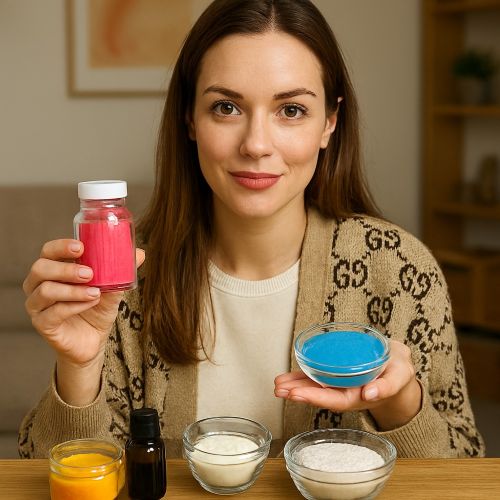
Stability and Brightness Mass produced soap often has dull shades due to the use of inexpensive colorants. Professional mother of pearls provide a level of shine and play of light that is impossible to achieve with industrial methods where the priority is reducing cost.
Absence of Toxic Metals High quality cosmetic pigments undergo strict control for heavy metal content. This is especially important for decorative cosmetics and soap used for children.
Creative Freedom You are not limited by a factory standard palette. By mixing different pigments and adding micas you can create millions of unique shades from deep metallic to delicate opalescent transitions making each of your creations an exclusive work of art.
By mastering work with dyes and mother of pearls you will be able not only to create beautiful cosmetics but also to precisely manage their mood and energy turning ordinary care into a true celebration of color and radiance.


Cosmetic ingredients and professional formulation blog
This section features expert materials on modern cosmetic actives. We cover peptides, polynucleotides PDRN, different forms of hyaluronic acid, retinoids, ceramides and other key components.
Special focus is given to active stability, ingredient compatibility and correct incorporation into formulas. You will find practical guides on working with anti-age actives, moisturizing complexes and barrier repair ingredients.
We examine how to properly combine myorelaxants with peptides, common mistakes when using unstable vitamin C forms and ways to improve the performance of moisturizing actives.
Separate materials are dedicated to base oils, extracts, emulsifiers and supporting ingredients. This helps create stable and effective formulas for both professional and home cosmetics.
The blog regularly publishes reviews of trending actives, comparisons of similar ingredients and step-by-step formulation recommendations. The content is aimed at formulators, technologists and anyone seriously involved in creating cosmetic products.
Why this blog is useful
Here you will find practical data on eye area care actives, lifting systems and ingredients that improve skin firmness and tone. We rely on real formulation experience and address the actual challenges that arise during product development.
You can also explore materials on skin protection and repair, depigmentation and anti-inflammatory actives. This approach supports a more systematic selection of ingredients.
FAQ
What topics are covered most often
The blog focuses on peptides, PDRN, hyaluronic acid of different molecular weights, retinoids, ceramides and their compatibility rules.
Are there practical recommendations on how to incorporate actives
Yes, most articles include practical notes on pH stability, incorporation temperature and common formulation mistakes.
Is the content only for professionals
The materials are useful both for formulators and technologists and for those who create cosmetics for personal use and want to understand how modern ingredients work.
Where can I go directly to the ingredients
All key actives are collected in the Actives section, while base components are available in base oils and related categories.



