-
 DIY: Video master classes
-
 Aromatherapy
-
 Felting master classes
-
 Eating at home
-
 DIY cosmetics for children
-
 Cooking recipes
-
 Detergents, cleaning products with your own hands
-
 Soap making as a business
-
 Natural cosmetics. Raw materials for cosmetics and soap.
-
 Natural oils in cosmetics
-
 News
-
 Recipes for balms and conditioners
-
 Bath Bomb Recipes
-
 Cream recipes. Cream making.
-
 Lotion recipes. Gel recipes.
-
 Mask recipes
-
 Soap recipes. Base soap. Soap from scratch.
-
 Recipes for all occasions
-
 Natural shampoo recipes
-
 Healthy Nutrition Recipes
-
 Scrub recipes. Massage tiles. Ubtan
-
 DIY candles
-
 Reference materials, questions, tips
-
 Startup - soap production
-
 Hair care. Tips, recipes
-
 Facial skin care. Cleansers.
-
 Body care. Tips, recipes
-
 Photo Reviews
-
 Chocolate Handmade


How to create scented cosmetics without formula conflicts
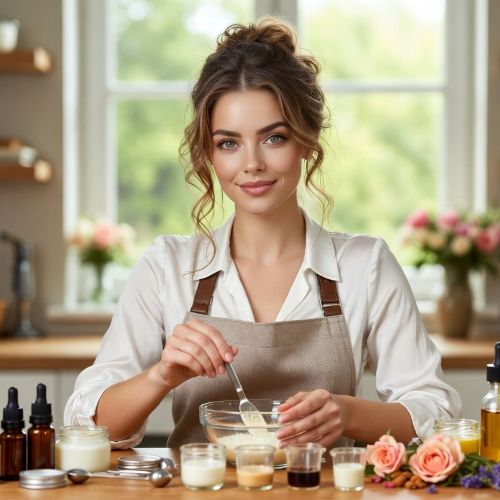 How to create scented cosmetics without formula conflicts is a sophisticated challenge for every formulator. Fragrance is often the most volatile part of a cosmetic product. Whether you use natural essential oils or synthetic fragrance oils, these aromatic compounds are complex chemical mixtures containing alcohols, aldehydes, and terpenes. When introduced incorrectly, they can disrupt the delicate balance of an emulsion, cause thinning of gels, lead to discoloration, or even neutralize preservatives.
In this professional guide, we will analyze the technical mechanisms of scent integration. You will learn how to prevent common chemical reactions and discover three unique recipes designed for long-lasting aroma and structural stability.
The Science of Aromatic Compatibility in Cosmetic Systems
The primary cause of formula failure when adding scent is the interaction between fragrance molecules and emulsifiers. Essential oils can act as solvents; if added in high concentrations, they may dissolve the bonds holding the oil and water phases together, leading to separation. This is particularly common with citrus oils and certain spicy essences like cinnamon or clove.
Another technical nuance involves the change in viscosity. Many fragrance oils contain vanillin or dipropylene glycol, which can drastically thin out surfactant systems like shampoos or shower gels. To avoid these conflicts, a formulator must understand the usage rates and the chemical nature of the scent. Professional formulations always account for the potential drop in pH or the oxidation of aromatic compounds, which can turn a white cream into an unappealing brown or yellow shade over time.
Advantages of Custom Scented Formulations Over Industrial Analogs
Industrial cosmetics often rely heavily on phthalates and synthetic fixatives to ensure a product smells exactly the same for three years on a shelf. These chemicals can be endocrine disruptors and are often the root cause of skin sensitivities. By creating your own scented cosmetics, you can use natural fixatives like resins, jojoba oil, or specialized esters that nourish the skin while anchoring the scent.
Furthermore, industrial scents are often static and overpowering. When you formulate personally, you can create functional fragrances. A face cream scented with genuine neroli and frankincense does not just provide a pleasant smell; it offers real skin-regenerating properties and therapeutic benefits for the nervous system. This holistic approach ensures that the fragrance serves a purpose beyond mere marketing, creating a synergy between the active ingredients and the olfactory experience.
Technical Nuances of Preparation and Fragrance Incorporation
To maintain the integrity of a formula, the scent must always be added during the cool down phase. High temperatures cause the most volatile top notes of a fragrance to evaporate instantly, leaving the product with a flat or distorted smell. Adding scent when the base is at room temperature or slightly warm ensures that the chemical structure of the fragrance remains intact and does not trigger a heat-induced breakdown of the emulsion.
For water-based products, the use of a solubilizer is mandatory. Since oils do not mix with water, adding an essential oil directly to a toner or spray will result in oil droplets floating on top, which can cause skin burns. Using a professional solubilizer like polysorbate twenty or peg forty hydrogenated castor oil at a ratio of three to one or four to one ensures a transparent and stable solution. Proper mixing duration is also vital; a scent should be incorporated slowly to prevent the introduction of excess air which can lead to rapid oxidation.
Recipe One Perfumed Body Butter with Scent Anchor Technology
This rich anhydrous balm is designed to hold fragrance on the skin for hours by utilizing dense fats that slow down aromatic evaporation.
Composition Fifty grams raw shea butter Thirty grams refined coconut oil Ten milliliters sweet almond oil Five milliliters jojoba oil as a natural fixative One milliliter ylang ylang essential oil One milliliter bergamot fcf essential oil Vitamin E tocopherol
Preparation Step one Sanitize all equipment and containers with seventy percent alcohol to ensure a sterile environment. Step two Gently melt the shea butter and coconut oil in a water bath until they reach a liquid state. Step three Remove from heat and stir in the sweet almond oil and the jojoba oil fixative. Step four Place the mixture in a cool area and wait until it starts to become opaque and semi-solid. Step five Use a high speed hand mixer to whip the oils into a light and airy butter texture. Step six Add the ylang ylang, bergamot, and vitamin E, then whip for one more minute to ensure the scent is perfectly distributed. Step seven Transfer to a glass jar and let it set for twenty four hours to allow the fragrance notes to mature and bond with the lipids.
Recipe Two Crystal Clear Scented Shower Gel with Viscosity Balance
A surfactant based formula that remains thick and transparent despite the addition of a potent fragrance oil.
Composition Seventy milliliters mild surfactant base Twenty milliliters peppermint hydrosol Five milliliters solubilizer polysorbate twenty Two milliliters professional fragrance oil Three grams sea salt for thickening Preservative
Preparation Step one In a small separate glass, mix the fragrance oil with the solubilizer until the liquid is completely clear. Step two Pour the surfactant base into a larger beaker and slowly add the peppermint hydrosol while stirring gently to avoid foam. Step three Gradually introduce the fragrance and solubilizer mixture into the base while continuing to stir slowly. Step four Add the preservative and ensure it is fully incorporated into the liquid. Step five Add the sea salt in very small increments, stirring well after each addition until the desired thickness is achieved. Step six Allow the gel to sit for several hours for any air bubbles to rise to the top before bottling.
Recipe Three Hydrating Hair Fragrance Mist Without Alcohol
A gentle water-based spray that provides a long-lasting scent trail without drying out the hair cuticle.
Composition Eighty milliliters distilled water Ten milliliters aloe vera juice Five milliliters water soluble jojoba oil Three milliliters vegetable glycerin One milliliter lavender and litsea cubeba essential oil blend Preservative
Preparation Step one Clean and disinfect a spray bottle and your mixing vessels. Step two Mix the essential oil blend with the water-soluble jojoba oil until it forms a uniform liquid. Step three Combine the distilled water, aloe vera juice, and vegetable glycerin in a separate beaker. Step four Pour the water phase into the oil phase and stir until the solution is clear or slightly milky. Step five Add the preservative and check the pH level to ensure it is around five point five for hair health. Step six Pour the mixture into the spray bottle and shake well before the first use to ensure all components are active.
Professional Recommendations for Scent Testing and Use
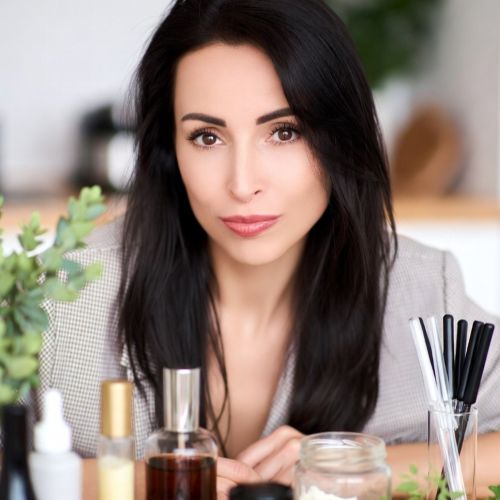
Before committing to a large batch, always perform a small scale stability test. Create a fifty milliliter sample of your scented product and observe it for forty eight hours. If there is no separation, color change, or sudden thinning, the formula is likely stable. When using essential oils, it is also important to check the dermal limit for each specific oil to prevent skin irritation.
When applying scented cosmetics, avoid using them on broken or highly sensitive skin, as fragrance molecules are common allergens. For the best scent experience, apply scented body products to pulse points where the heat of the body helps to diffuse the aroma throughout the day. If you are layering multiple products, try to use scents from the same olfactive family to avoid a clashing aroma profile.
Storage Conditions and Maintaining Scent Integrity
Scented cosmetics are highly vulnerable to ultraviolet light and oxygen. Sunlight can break down the chemical bonds of the fragrance, leading to a sour or metallic smell. Always store your products in dark amber glass or opaque high-quality plastic. Airless pump dispensers are particularly effective for scented creams because they prevent air from entering the bottle during use, which significantly slows down oxidation.
Maintain a storage temperature between fifteen and twenty degrees Celsius. Storing perfumed items in a bathroom with high humidity and fluctuating temperatures is not recommended as it can compromise the preservative system and the scent profile. A handmade scented product typically has a shelf life of three to six months. If you notice a sharp change in odor or a separation of oils that cannot be fixed by shaking, the product has reached the end of its stability and should be replaced.


Cosmetic ingredients and professional formulation blog
This section features expert materials on modern cosmetic actives. We cover peptides, polynucleotides PDRN, different forms of hyaluronic acid, retinoids, ceramides and other key components.
Special focus is given to active stability, ingredient compatibility and correct incorporation into formulas. You will find practical guides on working with anti-age actives, moisturizing complexes and barrier repair ingredients.
We examine how to properly combine myorelaxants with peptides, common mistakes when using unstable vitamin C forms and ways to improve the performance of moisturizing actives.
Separate materials are dedicated to base oils, extracts, emulsifiers and supporting ingredients. This helps create stable and effective formulas for both professional and home cosmetics.
The blog regularly publishes reviews of trending actives, comparisons of similar ingredients and step-by-step formulation recommendations. The content is aimed at formulators, technologists and anyone seriously involved in creating cosmetic products.
Why this blog is useful
Here you will find practical data on eye area care actives, lifting systems and ingredients that improve skin firmness and tone. We rely on real formulation experience and address the actual challenges that arise during product development.
You can also explore materials on skin protection and repair, depigmentation and anti-inflammatory actives. This approach supports a more systematic selection of ingredients.
FAQ
What topics are covered most often
The blog focuses on peptides, PDRN, hyaluronic acid of different molecular weights, retinoids, ceramides and their compatibility rules.
Are there practical recommendations on how to incorporate actives
Yes, most articles include practical notes on pH stability, incorporation temperature and common formulation mistakes.
Is the content only for professionals
The materials are useful both for formulators and technologists and for those who create cosmetics for personal use and want to understand how modern ingredients work.
Where can I go directly to the ingredients
All key actives are collected in the Actives section, while base components are available in base oils and related categories.



